USA09 October, 20252 min read
Senate Republicans Block Bill to Stop Trump’s Military Strikes on Caribbean Drug Vessels
Senate rejected a resolution requiring Trump to get congressional approval for Caribbean strikes. The vote failed 48-51, mostly along party lines with two Republicans joining Democrats.

12 outlets told this the same way.
Outlets did split on Trump Interrupted by Protesters at San Antonio Rally for Ken Paxton →
Senate Vote on Military Authority
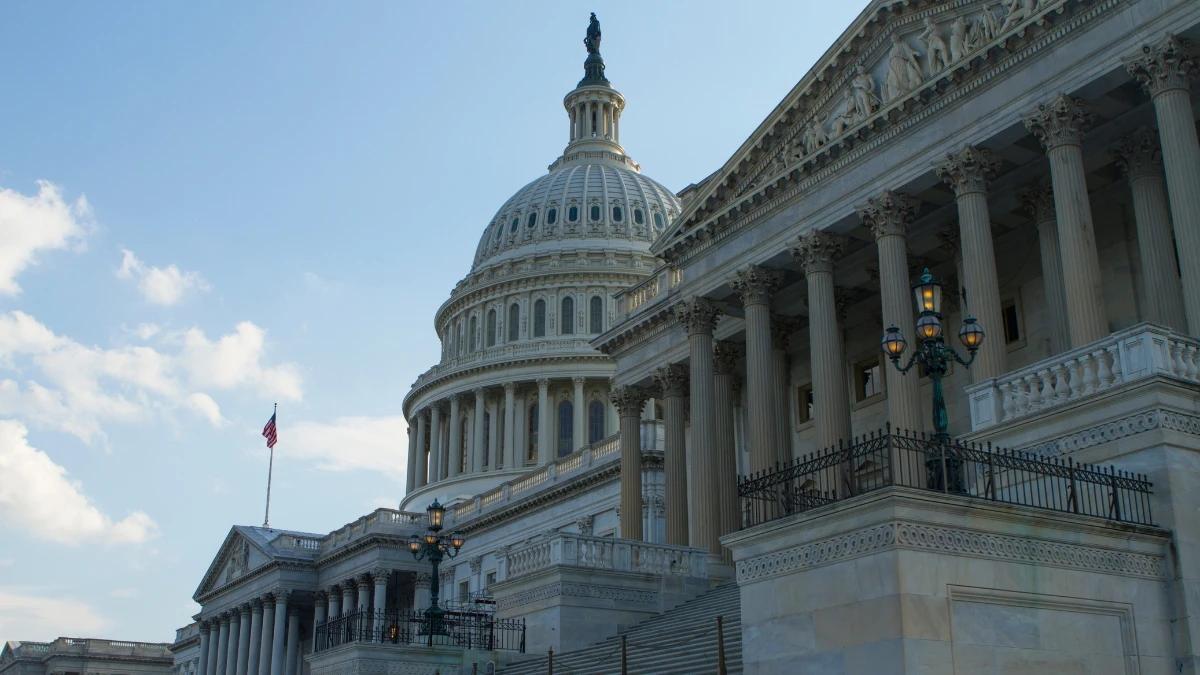
Senate Republicans blocked a Democratic-led resolution to limit President Donald Trump’s authority to use military force against drug cartels in the Caribbean. The measure failed 48-51 under the War Powers framework. Sponsors Adam Schiff and Tim Kaine aimed to prevent further strikes on alleged drug-carrying boats near Venezuela without congressional approval.
“Despite Democrats invoking the War Powers Resolution to prompt a vote, the measure failed 48-51.”
Since early September, the administration’s strikes have destroyed four vessels and killed at least 21 people, according to multiple reports. The vote largely followed party lines, allowing lawmakers to express opposition to Trump’s broad war-powers claim. Meanwhile, GOP leaders defended the campaign.
US Policy on Cartel Targets
Trump officials justify the campaign by redefining cartel targets as combatants and terrorists and by asserting imminent threats. The administration and allies label traffickers as “armed combatants” and “narco-terrorists.” They even designate certain cartels as foreign terrorist organizations.
A confidential notice to Congress reportedly describes a “non-international armed conflict,” with some targets termed “unlawful combatants.” Supporters argue that commander-in-chief powers cover targeted strikes to protect Americans and stop drugs without additional authorization.
Debate Over Military Strikes
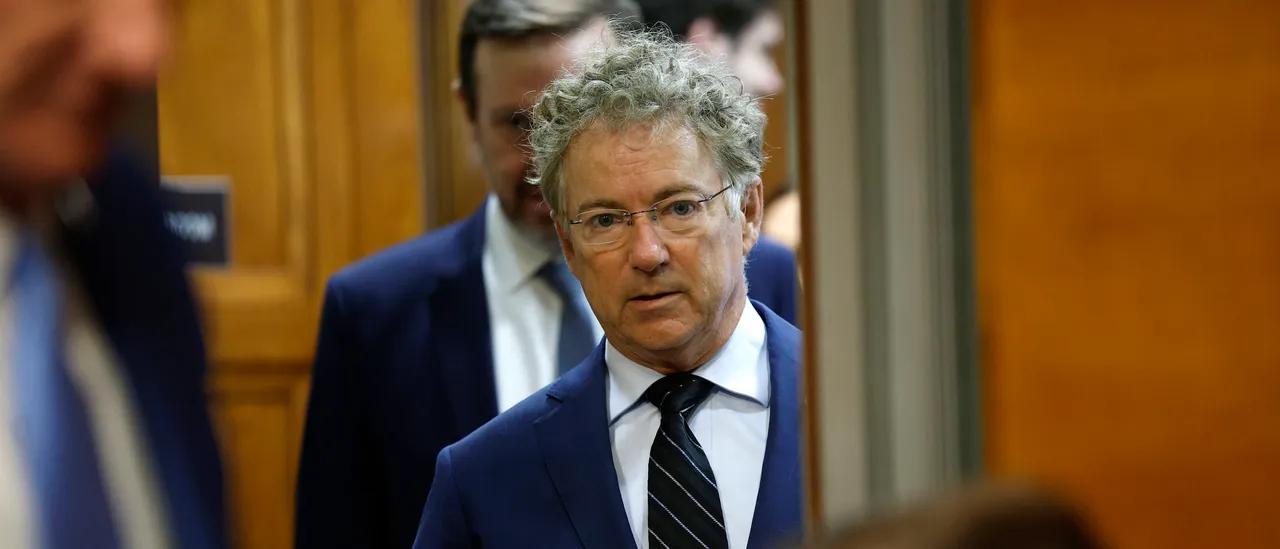
Opponents across parties question constitutionality, legality, and accuracy, warning of executive overreach and collateral harms. Democrats, including Schiff and Kaine, denounce the strikes as unconstitutional absent authorization. Senator Rand Paul challenges the self‑defense rationale as lacking an imminent threat and questions the intelligence about who was killed.
“Senator Paul challenges this rationale, arguing that self-defense traditionally requires an imminent threat to the U.S., not targeting drug operations.”
Critics also warn of risks to human trafficking victims and argue the strikes may violate international law. They press for transparency under the War Powers limits born from past secret bombings.
Republican Reactions to Strikes
Within the GOP, most defended the strikes, but some unease surfaced.
Accounts diverge on how many Republicans backed the Democratic measure: Washington Examiner says only Rand Paul supported it, while Daily Caller says two Republicans joined Democrats.
Meanwhile, Republican leaders and figures like Secretary of State Marco Rubio and Sen. Tim Scott publicly defended Trump’s authority and the strikes as necessary against narco‑terrorism, even as some Republicans asked for more information.
One Western Alternative outlet highlighted a poll showing 71% public approval for destroying drug boats.
Debate Over Presidential War Powers
The failed vote leaves Trump’s maritime campaign intact and potentially expanding. This development sharpens a broader fight over presidential war powers and the use of lethal force against non-state actors. The White House had threatened a veto, and one outlet reports Trump is considering strikes on land.
“The White House had signaled it would veto the resolution if passed.”
Critics warn that unilateral operations framed as a “non-international armed conflict” and involving “unlawful combatant” labels risk regional destabilization and prolonged entanglement. Mainstream outlets portray this as an institutional clash over authorizations and the future use of force. Other coverage emphasizes claims about the effectiveness of such actions and the precedent they set.