USA14 January, 20262 min read
Senate Republicans Block Effort To Curb Trump’s Power Over Venezuela
Senate Republicans blocked a war‑powers resolution limiting Trump's military actions in Venezuela Vice President J.D. Vance cast the tie‑breaking vote to defeat the measure
!role~Preview!mt~photo!fmt~JPEG%2520Baseline&w=1920&q=75)
29 outlets told this the same way.
Outlets did split on Trump Interrupted by Protesters at San Antonio Rally for Ken Paxton →
Venezuela war-powers vote
On Jan. 14, 2026, Senate Republicans blocked a Democrat-led war-powers resolution that would have limited President Trump’s authority to order further military action tied to Venezuela.
“On Jan. 14, 2026, Senate Republicans blocked a war-powers resolution intended to curb President Trump’s ability to order further strikes on Venezuela.”
Vice President J.D. Vance cast the tie-breaking vote to defeat the measure.

The effort briefly advanced when five Republicans joined Democrats on a procedural test.
Two GOP senators, Josh Hawley and Todd Young, abruptly withdrew their support after outreach from the White House and assurances from Sen. Marco Rubio.
Their withdrawals left the Senate deadlocked 50–50 and required the vice president to break the tie.
Coverage emphasized the role of late lobbying and procedural maneuvers in the outcome and noted the episode followed a U.S.-linked operation that captured Venezuelan leader Nicolás Maduro.
Senate defections and assurances
Outlets portrayed key Senate defections differently but commonly traced them to last-minute assurances from the administration and Senator Marco Rubio. Reporters cited promises that there would be no U.S. ground troops. The White House also promised it would seek to consult and notify Congress and provide testimony.
Multiple accounts say Rubio told colleagues there were no plans for ground troops and pledged future notifications, and Hawley and Young specifically cited such assurances when they reversed course. Coverage also notes intense White House outreach, including phone calls and a public push from the president, as shaping GOP unity.
Venezuela War Powers dispute
Underlying the floor fight was a substantive legal and factual dispute about whether U.S. actions in and around Venezuela amounted to "hostilities" that would trigger the War Powers Resolution. The administration and some Republican senators argued the operation was complete and that no U.S. armed forces were in Venezuela, a line repeated across several accounts.
“The administration says the operation is ‘complete’ and that no U.S. armed forces are in Venezuela.”
Democrats, critics, and some outlets stressed ongoing U.S. activity in the region and complained of insufficient congressional notification about the legal basis for the action. Senators including Jim Risch invoked procedural arguments that the War Powers Act covers only ongoing hostilities to block the measure.
Public Reaction to Intervention
Public reaction and polling, reported widely, showed sharp partisan divides and broad skepticism about military intervention. AP-NORC polling and other post-operation surveys found majorities saying President Trump has 'gone too far' using U.S. military force abroad, with roughly nine in ten Democrats and about six in ten independents sharing that view, versus about two in ten Republicans.
At the same time, many Americans, including a substantial share of Republicans, saw potential benefits for curbing illegal drugs. The polls and commentary framed the Senate fight as not only a constitutional test but also a reflection of public ambivalence over intervention.
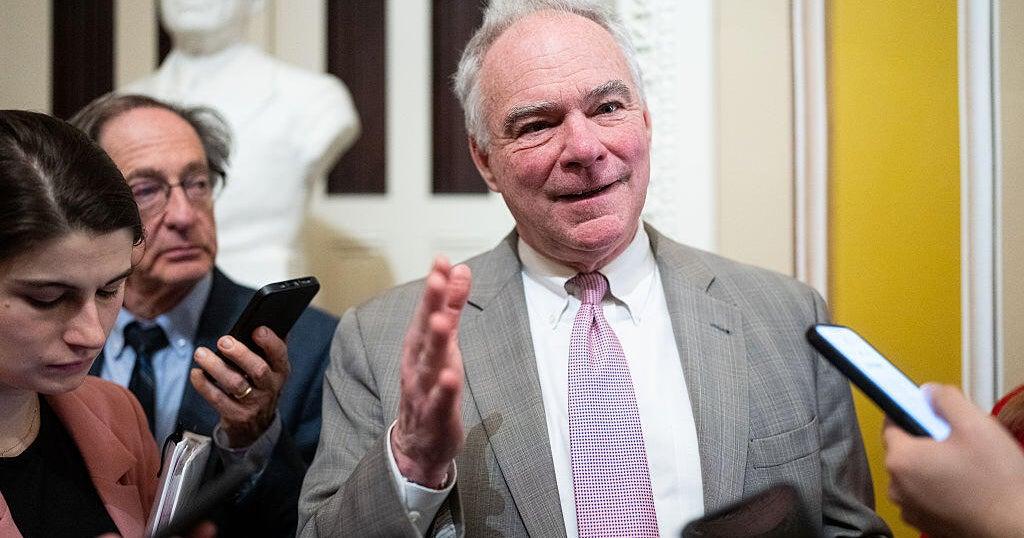
GOP tensions over war powers
Politically, the vote exposed tensions within the GOP over loyalty, presidential influence and congressional prerogatives.
“The Senate failed to pass a resolution that would have limited the president’s ability to use force in Venezuela after key vote flips and a vice‑presidential tiebreaker.”
Republicans who broke with the resolution were portrayed by critics as succumbing to the White House push.
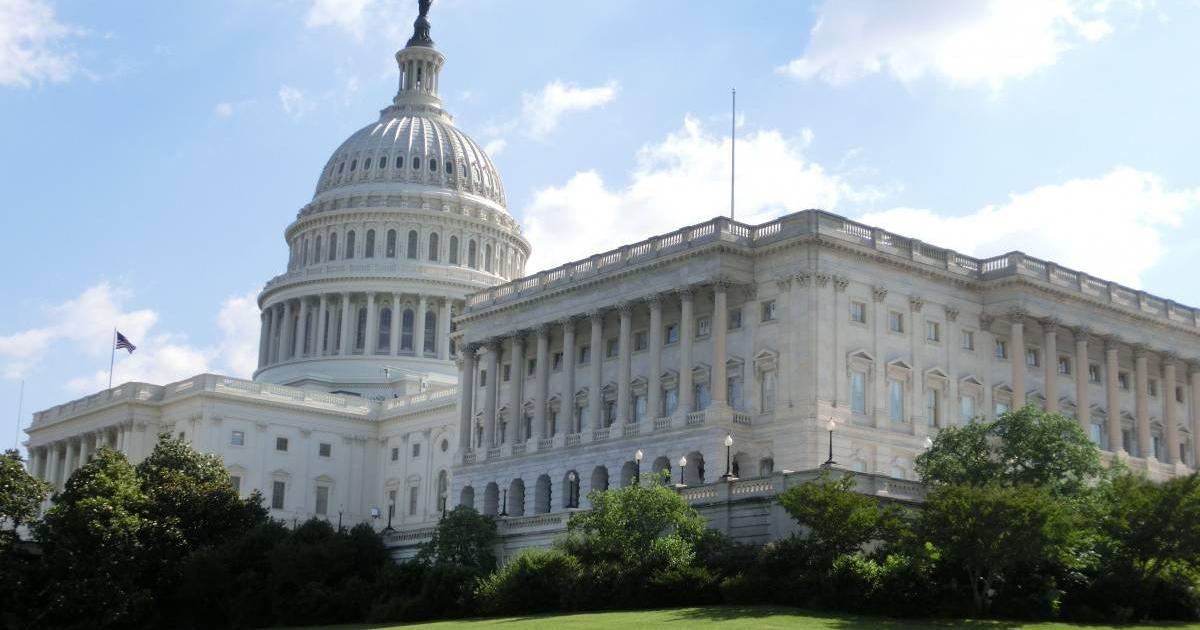
Supporters of the measure — including Sens. Rand Paul, Lisa Murkowski and Susan Collins — vowed to press future war-powers efforts.
Several reports predict continued floor fights and repeated votes, as Democrats said the vote merely delayed further challenges and pledged to keep pressing congressional authority over declarations of hostilities.