Asia29 January, 20262 min read
Seoul Court Sentences Former First Lady Kim Keon-hee to 20 Months for Taking Luxury Bribes From Unification Church Figures
Seoul court sentenced Kim Keon‑hee to 20 months in prison Accepted luxury gifts from Unification Church officials in exchange for political and business favors
61 outlets told this the same way.
Outlets did split on Avalanche Strikes Himlung Himal Base Camp In Nepal, At Least 10 Missing →
Kim Keon-hee bribery verdict
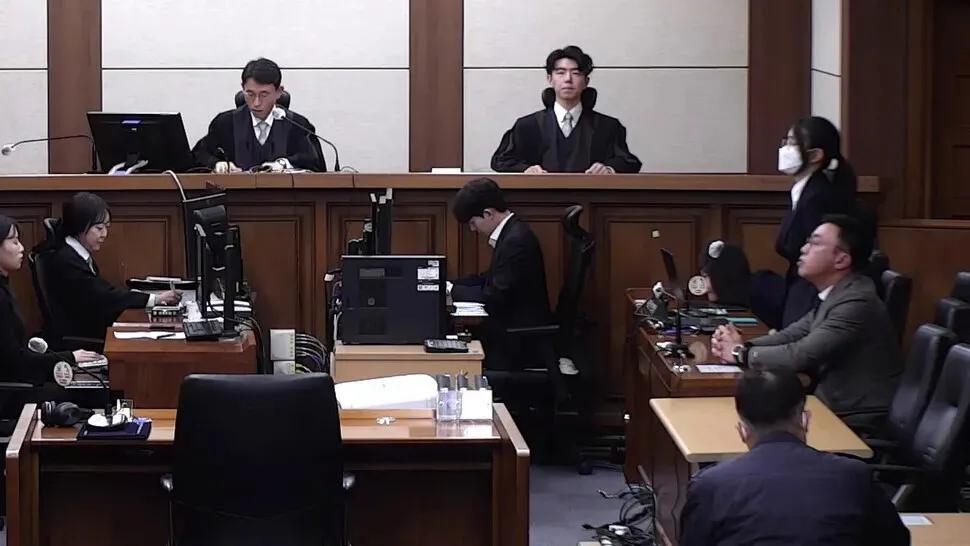
A Seoul court on Jan. 28, 2026 convicted former first lady Kim Keon-hee of accepting lavish gifts and sentenced her to 20 months in prison for bribery linked to Unification Church figures.
“A Seoul court on Jan. 28, 2026 sentenced former First Lady Kim Keon Hee to 1 year and 8 months in prison for accepting bribes from the Unification Church.”
The Seoul Central District Court found Kim guilty on bribery counts while acquitting her on separate charges including alleged stock-price manipulation and violations of political funding laws; the judge said she had "misused her position as a means of pursuing personal gain."

The verdict comes amid a wider legal reckoning of figures tied to the recent administration.
Kim verdict and appeals
The court convicted Kim on bribery counts tied to expensive gifts and ordered financial penalties and forfeiture, while acquitting her of separate allegations. Judges cleared her of accusations involving stock-price manipulation and political funding violations, citing insufficient evidence on those counts.
Prosecutors had originally sought far harsher penalties, including a lengthy jail term and multi-billion-won fines. Both the special counsel and Kim's defense signaled they may appeal the ruling.
Reporting on alleged bribes
Reporting on the alleged bribes emphasizes luxury items and financial totals but varies across outlets. Many sources list designer goods such as Chanel handbags and a Graff diamond necklace.
“South Korea's former first lady Kim Keon Hee was sentenced to 20 months in prison for corruption ... the court ordered confiscation of the necklace.”
Some reports cite larger aggregate sums, with prosecutors in several accounts saying at least about $200,000, while others quantify gifts in won at roughly 80 million won or similar. Several reports say the court ordered confiscation of the necklace and a modest cash forfeiture or repayment in won.
Reactions to Kim's sentence
Reaction was immediate and mixed. Prosecutors and the special counsel signaled they will appeal. Kim's lawyers called the probe politically driven and said the sentence was relatively high.
Political figures weighed in, with some opposition voices hailing accountability. The governing liberal Democratic Party criticized the ruling as too lenient or as signaling tolerance for abuse of power.
The court noted Kim did not solicit the bribes and had no major criminal record. Those factors contributed to a shorter sentence than the independent counsel had requested.
Kim and Yoon legal scandals
The trial and conviction are inseparable from larger scandals involving Kim's husband, ousted ex‑president Yoon Suk Yeol. Reporting across sources places Kim's verdict alongside Yoon's separate prosecutions.
“Her husband, ex‑President Yoon Suk Yeol, was removed from office last year and given a five‑year prison sentence over a brief declaration of martial law.”
Yoon has been removed from office, received a five-year prison term in another case, and faces a high-profile rebellion trial over a brief 2024 martial-law declaration for which some prosecutors sought the death penalty. Independent investigators in that martial-law probe reported they found no evidence Kim influenced Yoon's decision, a point several outlets note amid speculation that the martial-law move aimed to stymie investigations.