USA18 October, 20252 min read
Severe Flooding Displaces Over 2,000 Residents in Remote Alaskan Villages, Governor Requests Major Disaster Declaration
Remnants of Typhoon Halong caused over 6 feet of flooding in Kipnuk and Kwigillingok. More than 2,000 residents were evacuated by air due to destroyed homes and infrastructure.
10 outlets told this the same way.
Outlets did split on Trump Interrupted by Protesters at San Antonio Rally for Ken Paxton →
Typhoon Halong Impact in Alaska
The remnants of Typhoon Halong unleashed a powerful storm across western Alaska. The storm devastated remote Alaska Native villages like Kipnuk and Kwigillingok. Over 2,000 people were displaced due to the storm.
“Severe flooding caused by the remnants of Typhoon Halong devastated remote Alaska Native villages last weekend, displacing over 2,000 people.”
At least one death has been reported, and two people are missing. Multiple outlets describe a severe storm surge and hurricane-strength winds. Some sources classify the system as Category 2-level.
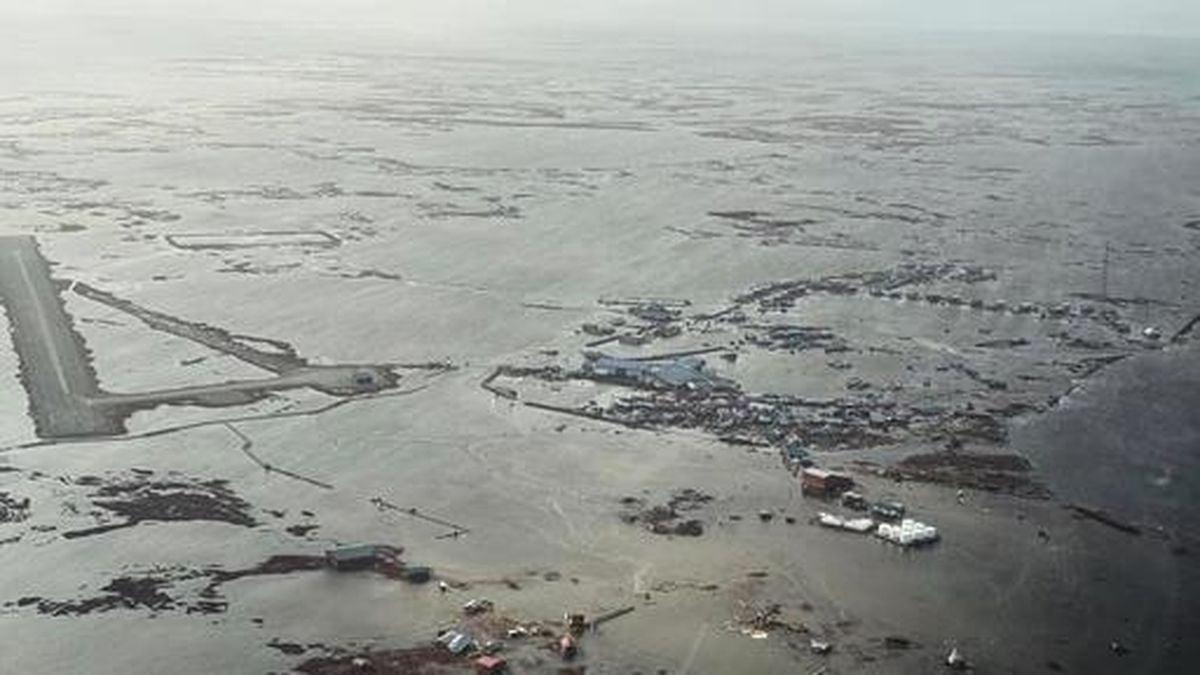
Others emphasize a six-foot surge that flooded dozens of communities. State leaders have requested a major Presidential disaster declaration to unlock federal assistance.
Responders continue rescue operations and provide sheltering for those affected. Officials warn that the scale and timing of the storm, just ahead of winter, make recovery especially difficult.
Severe Village Flood Damage
Damage in the hardest-hit villages is extreme. State leaders reported Kipnuk lost the vast majority of its housing stock, and Kwigillingok saw a large share of homes rendered uninhabitable. Some outlets quantify the damage in percentages, while others provide exact counts.
Rescue operations included dramatic Coast Guard actions as homes were flooded or swept away. Dozens of residents were pulled from danger, and some were saved after their houses were carried out to sea. Infrastructure and essential services have also been disrupted in multiple communities.

Details of Evacuation Efforts
Evacuations proceeded in phases and by air, producing differing counts across reports. Early tallies describe hundreds moved to safety, including to Bethel and then on to Anchorage as local shelters reached capacity. Some sources cite about 300 airlifted to Anchorage in what they call one of Alaska’s largest airlift operations.
“Rescue efforts have involved airlifting residents to safety, with about 575 evacuees flown to Anchorage so far, where they are being housed in temporary shelters.”
Other reports mention roughly 575 already flown to Anchorage with plans for up to 1,600 arriving there. Parallel reporting notes around 1,600 people in shelters across the Yukon-Kuskokwim Delta, indicating that figures vary by location and timing.
Disaster Response and Funding Issues
Authorities declared emergencies and mobilized a multi-agency response. The governor requested a Presidential disaster declaration while local, state, federal, and nonprofit partners operated shelters and planned short- and long-term housing. Coverage notes the Alaska National Guard, Coast Guard, and Red Cross roles; philanthropy has raised over $1 million.
One outlet uniquely links the disaster’s severity to prior federal funding cuts that weakened preparedness. Another report includes an unrelated note about border enforcement continuing amid a shutdown.
Evacuation and Recovery Challenges
The outlook is challenging and long-term. Multiple outlets report residents may be unable to return home for at least 18 months due to extensive damage and approaching Arctic weather. Reports also warn of extended relief efforts, widespread service disruptions, and material shortages.
“Due to the extensive damage and harsh Arctic winter conditions, many residents may not return home for at least 18 months.”
These shortages include fuel leaks, water and sewer failures, and food shortages. Plans are underway to transition evacuees from shelters to hotels or dormitories. Authorities also intend to fly in construction materials before winter.