
Seyed Abbas Araghchi Pledges Iran-Oman Partnership To Ensure Safe Strait Of Hormuz Navigation
Key Takeaways
- Iran and Oman pledge cooperation for safe Hormuz navigation.
- Muscat talks between Araghchi and Albusaidi described as good.
- Diplomacy is urged to secure lasting freedom of navigation through Hormuz.
Araghchi’s Hormuz message
Iranian Foreign Minister Seyed Abbas Araghchi pledged an Iran-Oman partnership aimed at safe navigation in the Strait of Hormuz, framing the effort around regional cooperation and “neighbors” first.
In a message posted on X, Araghchi said, “Appreciative of my gracious hosts in Oman,” and added, “Important discussions on bilateral matters and regional developments.”
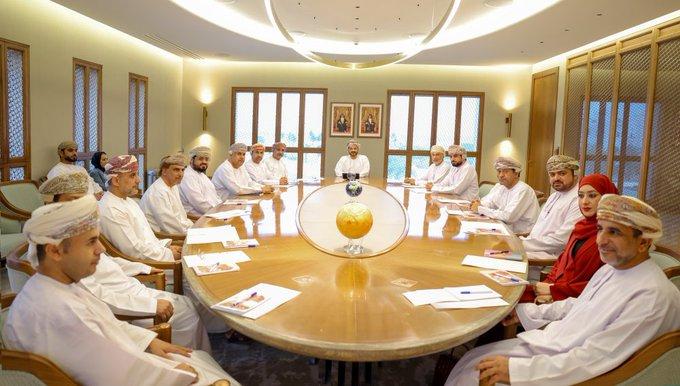
He emphasized that, “As only Hormuz littoral states, our focus included ways to ensure safe transit that is to benefit of all dear neighbors and the world,” before concluding, “Our neighbors are our priority.”
The PressTV report ties the statement to “Iran’s constructive diplomacy” and describes it as part of “strengthening brotherly ties with regional countries” and “advancing practical solutions for stability in the Persian Gulf.”
The same report says Araghchi returned to Islamabad from Oman for “a second official visit in two days” for further consultations with Pakistani mediators amid stalled negotiations with the United States.
It also states that Araghchi left Muscat after meeting Sultan Haitham bin Tariq of Oman, with discussions focused on “ongoing diplomatic efforts aimed at resolving regional crises.”
Oman’s diplomacy and seafarers
Oman’s foreign minister, Badr Albusaidi, echoed the push for diplomacy to secure navigation through the Strait of Hormuz while stressing the humanitarian need to free detained seafarers.
Multiple outlets quote Albusaidi describing his talks with Iranian Foreign Minister Abbas Araghchi in Muscat as “good,” and they repeat his insistence on shared responsibility as littoral states.

In the Middle East Eye and Türkiye Today accounts, Albusaidi wrote on X, “As littoral states, we recognize our shared responsibility to the international community and the urgent humanitarian need to free the seafarers held for far too long,” and added, “Much diplomacy is required and practical solutions to ensure lasting freedom of navigation.”
PressTV similarly reports Albusaidi’s X message, saying, “Much diplomacy is required and practical solutions to ensure lasting freedom of navigation.”
The Anadolu Ajansı report also frames the same Albusaidi language as a Sunday evening call for diplomacy “amid restrictions on shipping in the Strait of Hormuz.”
Türkiye Today adds that Albusaidi’s call included urgency for the “fate of seafarers currently detained,” describing it as a humanitarian dimension to the broader standoff.
Ceasefire, talks, and sticking points
The diplomatic messaging from Iran and Oman is set against a stalled US-Iran negotiation track and shipping restrictions in the Strait of Hormuz.
PressTV says Islamabad mediated and hosted “a first round of talks between Iranian and American delegations on April 11–12, which ended without an agreement,” adding that Iranian negotiators blamed “the US’s excessive demands and shifting positions for the failure of the talks.”
It also states that “Trump unilaterally extended the ceasefire hours before it was set to expire on April 22 and said he was awaiting a proposal from Iran.”
Türkiye Today and Yeni Safak English both describe a Pakistan-brokered ceasefire announced on April 8 and later extended by President Donald Trump, while also listing the “sticking points” as the Strait of Hormuz, “the US naval blockade of Iranian ports,” and “Iran’s enriched uranium program.”
Yeni Safak English further says Araghchi arrived in Muscat on Saturday from Islamabad for talks with Omani officials, then returned to Pakistan on Sunday for further discussions with Washington, and later left Islamabad for Moscow to meet Russian officials.
Türkiye Today similarly describes Araghchi’s stop in Muscat as part of a “broader regional tour,” with a return to Pakistan on Sunday and departure for Moscow.
Market framing and blockade
One outlet frames the Iran-Oman partnership as signaling an extended Hormuz blockade amid US tensions, tying diplomatic statements to a prediction-market view of odds and timelines.
Crypto Briefing says Araghchi’s commitment to an Iran-Oman partnership for safe navigation in the Strait of Hormuz “suggests Iran isn’t ready to comply with international demands.”
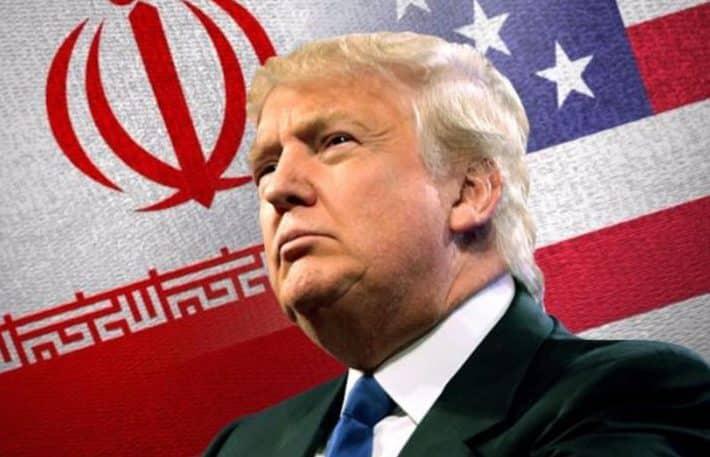
It then asserts that “The odds for Trump lifting the Hormuz blockade by May 31 have decreased,” and provides a set of market figures, including “With 37 days until resolution,” and a “price move from 72% to 61% YES.”
The same report adds, “Daily volume sits at $95,253 in USDC,” and notes “Order book depth is $8,975 to move 5 points,” while describing “The largest move was a 5-point spike in the past 24 hours.”
It also states that “A single large order could still swing odds meaningfully at this depth” and says the pattern fits “where statements from Iranian officials have consistently pushed odds lower.”
The outlet closes by saying to “Watch for statements from Trump, new developments in US-Iran negotiations, or changes in naval deployments,” and that “White House or Pentagon announcements will be the most direct catalysts in the coming weeks.”
Navigation stakes and next moves
The reports repeatedly return to the Strait of Hormuz as a chokepoint where navigation restrictions carry immediate consequences, while also describing the diplomatic “shuttle” among Muscat, Islamabad, and Moscow.
“Araghchi’s commitment to a bilateral Iran-Oman partnership for safe navigation in the Strait of Hormuz suggests Iran isn’t ready to comply with international demands”
Türkiye Today calls the Strait of Hormuz “one of the world’s most critical chokepoints for global oil and gas shipments,” and says “Any sustained disruption to navigation there carries significant consequences for energy markets and international trade.”
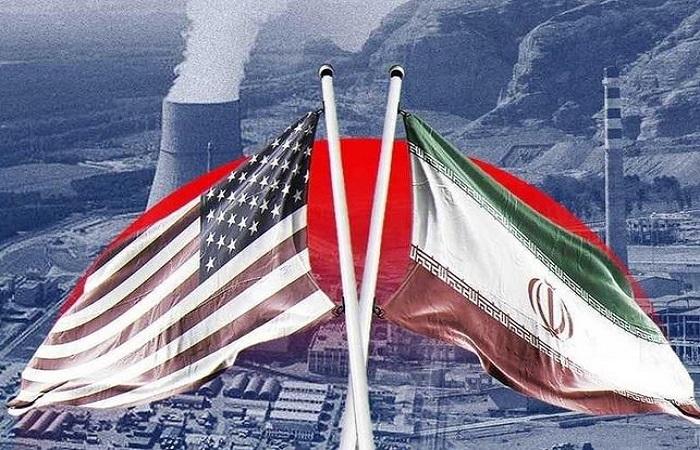
It also ties Albusaidi’s call to the “fate of seafarers currently detained,” describing the humanitarian dimension alongside the strategic negotiations.
Anadolu Ajansı similarly frames the Albusaidi message as a call “amid restrictions on shipping in the Strait of Hormuz,” and it repeats that Albusaidi wrote on X about freeing seafarers “held for far too long.”
PressTV adds that Iran has “long maintained that maritime security in the Persian Gulf must be handled collectively by regional states,” and it says Iran opposes “extra-regional forces whose presence has only heightened tensions.”
In terms of next steps, PressTV says Araghchi returned to Islamabad for consultations with Pakistani mediators after leaving Muscat, and it notes that Islamabad hosted the April 11–12 talks that ended without an agreement.
More on Iran
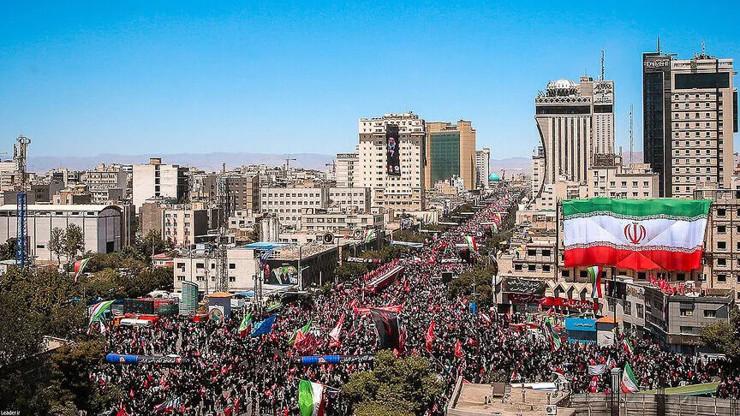
Israeli Strike Kills Ayatollah Ali Khamenei, Buried at Imam Reza Shrine in Mashhad
19 sources compared
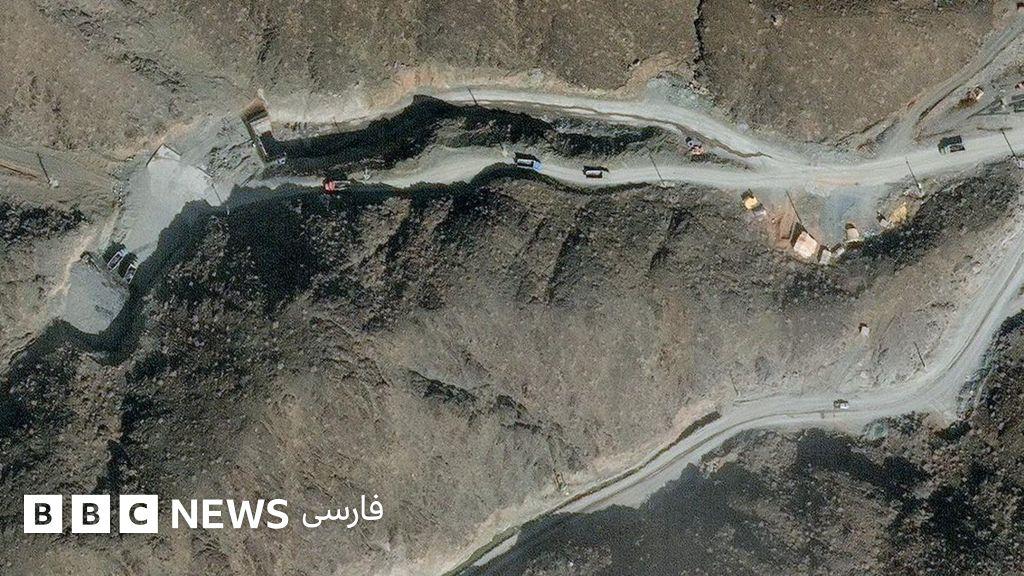
Iran Attempts To Restore Nuclear Sites Damaged In US And Israel Strikes, CNN Satellite Images Show
15 sources compared
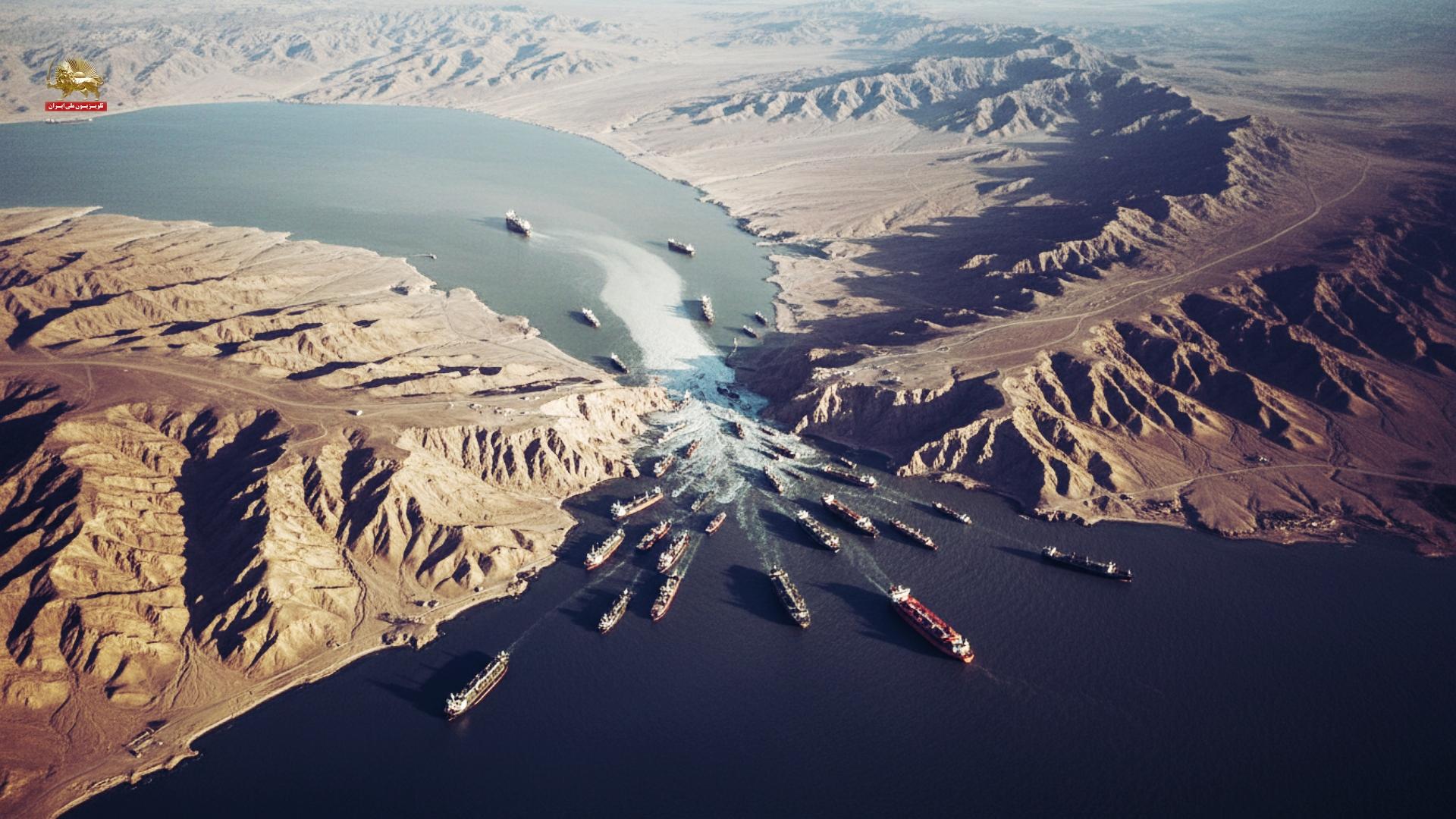
Abbas Araghchi and Prince Faisal Bin Farhan Discuss Regional Developments After US Attacks
11 sources compared

Trump Says U.S. Agreed to Continue Iran Talks, Ceasefire Is Over
19 sources compared