Australia19 January, 20262 min read
Sharks Bite Surfer in His 20s Off Manly, Put Him in Critical Condition
This article is an automated aggregation of coverage from news outlets. Our editorials offer in-depth analysis curated by the NewsCord team.
Man in his 20s bitten on leg at North Steyne Beach, hospitalized in critical condition Third shark attack reported in Sydney within just over 24 hours

9 outlets told this the same way.
Shark incidents in Sydney
Three shark incidents struck Sydney’s northern beaches across roughly a day and a half. A man in his 20s and a 12-year-old boy were critically injured, and an 11-year-old was shaken but unhurt. Reports say attacks occurred at Manly’s North Steyne Beach on Monday evening, Dee Why Beach around midday, and Jump Rock/Shark Beach in Vaucluse on Sunday.
“Three separate shark incidents hit Sydney’s northern beaches in just over 24 hours, leaving a man and a boy critically injured and another boy shaken but unhurt.”
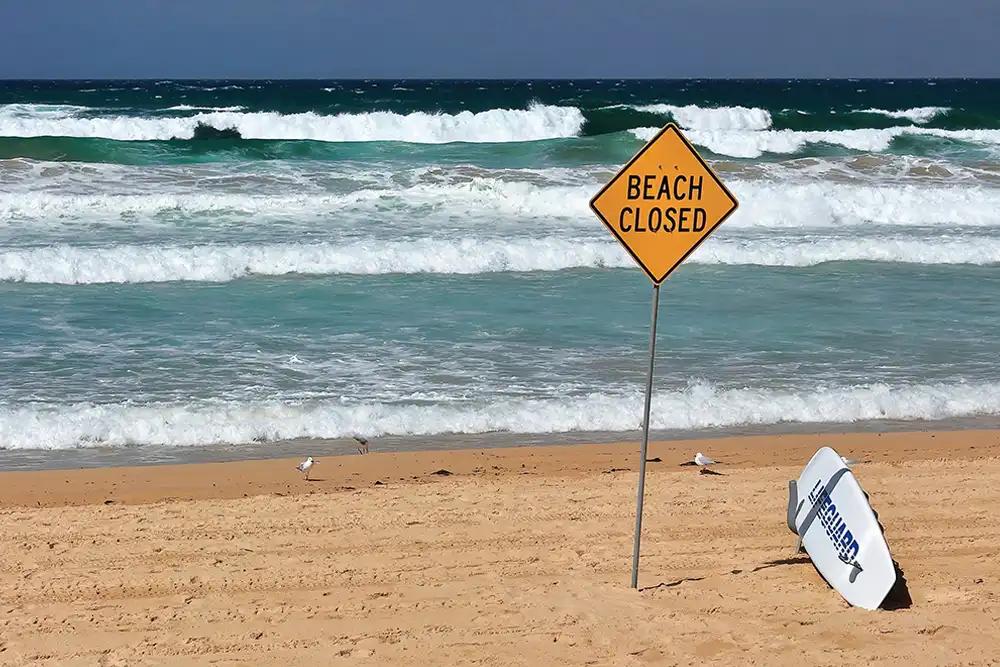
Authorities promptly closed the northern beaches and urged the public to exercise caution. Coverage highlighted the scale of the injuries and how rare it is to see such clustered incidents in the area.

Shark Beach jump injury
A 12-year-old boy was badly injured after jumping from rocks near Shark Beach in Vaucluse, commonly known as Jump Rock. Reports differ on the exact height of the ledge, with some sources saying around six metres and others converting that to roughly 20 feet. Some accounts also use different nearby place names, mentioning Nielsen Park or Rose Bay.
Media reports consistently describe severe leg wounds, and some outlets have said he may have lost both legs. Friends are credited with pulling the boy from the water. These variations reflect differences in measurement units, local naming and reliance on preliminary media reports versus police statements.

Manly beach attack coverage
A man in his 20s was bitten on the leg off North Steyne Beach at about 6:20pm on Monday evening. Members of the public pulled him from the water and he was taken to hospital in critical condition. Some reports emphasize the speed and heroism of bystanders, with outlets such as the BBC and the London Evening Standard highlighting beachgoers pulling the victim ashore.
“On Monday evening a man in his 20s was bitten on the leg off North Steyne Beach (Manly) at about 6:20pm; beachgoers pulled him from the water and he was taken to hospital in critical condition.”
Other reports focus more on authorities' response, beach closures and the patient's clinical condition. The consistency across outlets on time, place and severity underlines the core facts, with only minor variations in human-interest emphasis.
Suspected shark incidents
Authorities and experts have repeatedly pointed to environmental factors and bite analysis when discussing likely causes. Several outlets report police and fisheries officials suspect a bull shark based on injury patterns and bite size. They link the incidents to recent heavy rain that made harbour waters murkier.
Some outlets, notably The Telegraph, frame the string of incidents as 'unprecedented' and consider whether they represent a trend. Others stick to cautious, preliminary statements that the shark species have not been formally confirmed. Those differences reflect editorial weighting between early-analysis reporting and conservative attribution.
Shark incident coverage
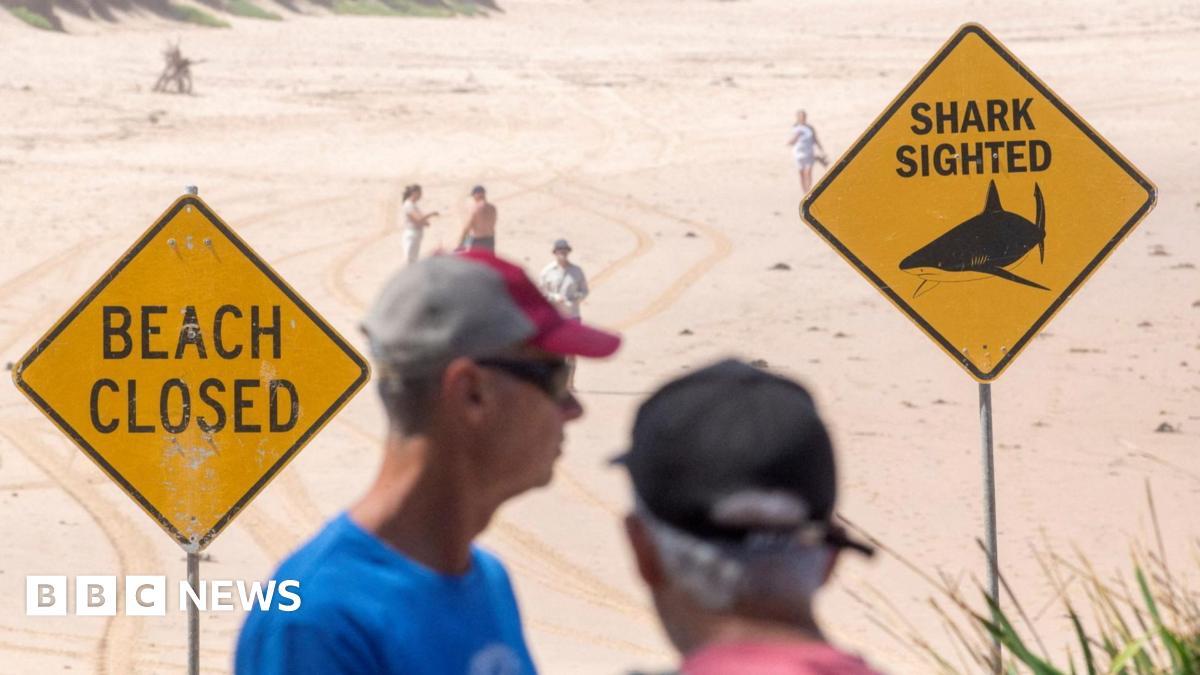
Immediate medical and investigative responses were initiated following the incidents. Coverage highlights community reaction, with rescuers praised and beaches closed 'until further notice'. Reports also reminded readers that such attacks remain rare despite recent fatal incidents in the region last year.
“Authorities closed Sydney’s northern beaches, noted that shark‑protection nets are present though it’s unclear whether the attacks occurred inside them, and suspect bull sharks may be responsible.”
Reporting varies in how much historical context outlets provide: some mention prior fatal attacks and citywide shock, while others focus narrowly on the three incidents and operational responses like netting and hospital care. Across accounts, officials emphasised caution and the presence of shark‑protection nets, though it remained unclear whether the attacks occurred inside those protected areas.