Business10 March, 20262 min read
Sheikh Mohammed bin Rashid Issues Dubai Law Fining Dh2 Million For Flouting Building Safety Rules
This article is an automated aggregation of coverage from news outlets. Our editorials offer in-depth analysis curated by the NewsCord team.
Law No. (3) of 2026 applies to all Dubai buildings, including private and free zones The law mandates regular maintenance checks and tighter requirements for obtaining safety certificates

Dubai building safety law
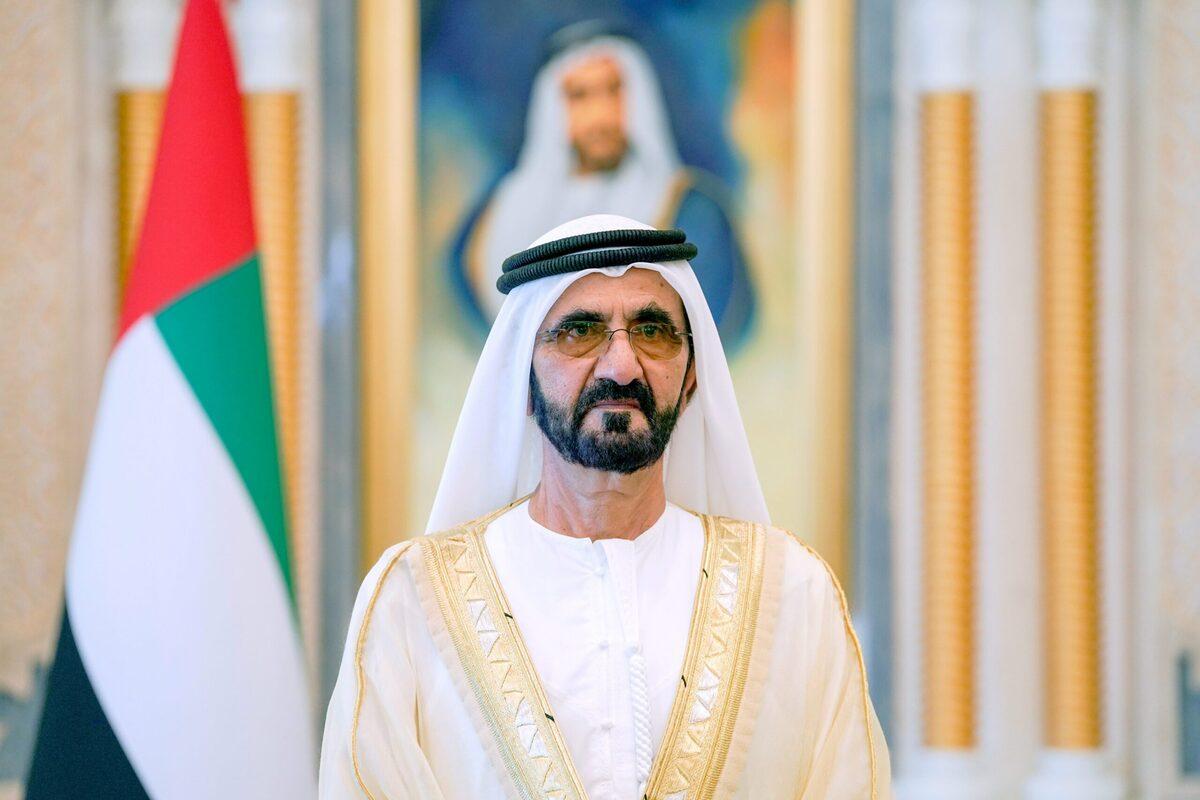
Sheikh Mohammed bin Rashid Al Maktoum has issued Law No. (3) of 2026 to regulate building quality, safety and sustainability across Dubai.
“Sheikh Mohammed bin Rashid Al Maktoum, in his capacity as Ruler of Dubai, has issued a new law regulating building quality and safety across the emirate. Its goals are to ensure structural integrity, mandate regular maintenance, enhance occupant comfort, reduce accidents, protect lives and property, and preserve Dubai’s urban and architectural identity.”
The law has stated goals to ensure structural integrity of buildings.

The law mandates regular maintenance.
It aims to enhance occupant comfort and reduce accidents.
It seeks to protect lives and property.
It also seeks to preserve the emirate’s urban and architectural identity.
Dubai’s authorities announced the law and presented it as a comprehensive step to tighten safety oversight across the city.
Scope of Dubai law
The law’s scope is broad: it applies to all buildings in Dubai, including private developments and free zones such as the Dubai International Financial Centre, and covers both existing and future structures.
Several sources emphasize that the rules explicitly reach older properties as well as new construction, bringing free-zone developments and jointly owned units under the same regulatory framework.
Dubai Municipality duties
Dubai Municipality is charged with implementing the law by creating a digital building-management system and a unified database, conducting periodic assessments, setting sustainability and safety standards, regulating materials and technologies, investigating incidents, and overseeing routine maintenance and corrective actions.
“It charges Dubai Municipality with creating a digital building-management system, maintaining a unified database, carrying out periodic assessments, setting sustainability standards, and implementing measures and procedures to safeguard buildings, people and property.”
The new regime includes a digital portal to manage records and inspections and grants the municipality powers to coordinate with other authorities on enforcement.
Building safety and tenancy rules
A central feature is the Quality and Safety Certificate: buildings must obtain the certificate after completion only following a comprehensive structural and technical inspection and a technical report from a licensed engineering office or firm. Owners, including individual unit owners under joint ownership rules, are obliged to fix identified defects, permit inspections and carry out periodic maintenance.
Certificates are valid for 10 years for buildings under 40 years old and five years for those 40 years or older. The law links demolition-vacation rules to tenancy protections so tenants who vacate for approved demolitions have priority to return at their original rent after reconstruction or repairs.

Enforcement and compliance rules
Fines for violations range from AED 100 up to AED 1,000,000, with repeat offences within two years subject to doubling (up to AED 2,000,000). Authorities may suspend permits, block transactions or approvals (including with the Dubai Land Department), halt lease certifications, and pursue civil or criminal liability against responsible parties.
“Sheikh Mohammed bin Rashid has introduced a new Dubai law to strengthen building safety, with penalties up to Dh2 million ($544,580) for violations.”
The law establishes an appeals window to the Municipality’s Director General within 30 days. The law requires compliance by building owners, contractors and engineering firms within one year of the law’s effective date, subject to limited extensions by the Executive Council.
