
Ships stranded at Hormuz, energy crunch at home: How India’s U.S.-Israel tilt is testing ties with Iran
Key Takeaways
- India's ships remain stuck for safe passage in Hormuz as Delhi deepens U.S.-Israel ties.
- Two Indian LPG carriers transited Hormuz on Friday, but not a blanket arrangement.
- Oil still flows to China via Hormuz, while India's access remains contested.
Hormuz transit and denial
Two Indian ships carrying liquefied petroleum gas transited the Strait of Hormuz on Friday, but Indian Foreign Minister S. Jaishankar told The Financial Times that this did not signal a blanket arrangement with Tehran or imply a quid pro quo after around 100 Iranian naval officers were flown home on a special flight.
“While millions of barrels of oil flow to China via the Strait of Hormuz, India — Tehran's old ally — is yet to secure a safe passage for its ships stuck in the critical waterway as New Delhi's deepening ties with U”
India, the world’s third-largest importer of oil and second-largest consumer of LPG, faces rising energy costs and panic-buying as supplies tighten in the wake of Hormuz disruptions.
Energy tilt and perception
Analysts say New Delhi’s tilt toward the United States and Israel is straining ties with Tehran and weakening India’s leverage to secure safe passage for energy shipments.
A widely circulated image of Prime Minister Narendra Modi hugging Israeli Prime Minister Benjamin Netanyahu during a visit to Israel last month is cited by observers as likely to affect Tehran’s calculus.
Diplomacy, BRICS stance
During a Friday phone call, Tehran asked BRICS members—where India holds the presidency—to condemn the U.S.-Israel attacks on Iran.
“While millions of barrels of oil flow to China via the Strait of Hormuz, India — Tehran's old ally — is yet to secure a safe passage for its ships stuck in the critical waterway as New Delhi's deepening ties with U”
India, by contrast, did not condemn the attacks at BRICS, and is the only founding BRICS member not to condemn the assault or the killing of Iran’s Supreme Leader Ayatollah Ali Khamenei; its Foreign Secretary Vikram Misri did sign a condolence book at the Iranian embassy on March 5.
At the UN level, India co-sponsored a Security Council resolution condemning Iran’s attacks on Gulf Cooperation Council countries and calling for a cessation of such attacks, a move Iran called unjust and unlawful.
Policy shifts and expert view
India has reduced funding for the Chabahar Port project after the United States declined to extend sanctions waivers for India’s operation of the port terminal beyond April 2026, and the country has stopped purchasing Iranian crude since the collapse of the Iran nuclear deal under the Trump administration.
Opposition leaders have questioned the government's reluctance to condemn attacks on Iran, arguing that the foreign-policy choices are jeopardizing India's energy security.
Analyst Raymond E. Vickery, Jr., a senior associate at CSIS, says India has effectively bought into the U.S.-Israel line and suggests New Delhi will try to salvage its Iranian relationship through calls for peace and by seeking special protection for Indian shipping and nationals.
More on Iran
Iranian Women's Soccer Captain Zahra Ghanbari Withdraws Asylum Bid in Australia
10 sources compared
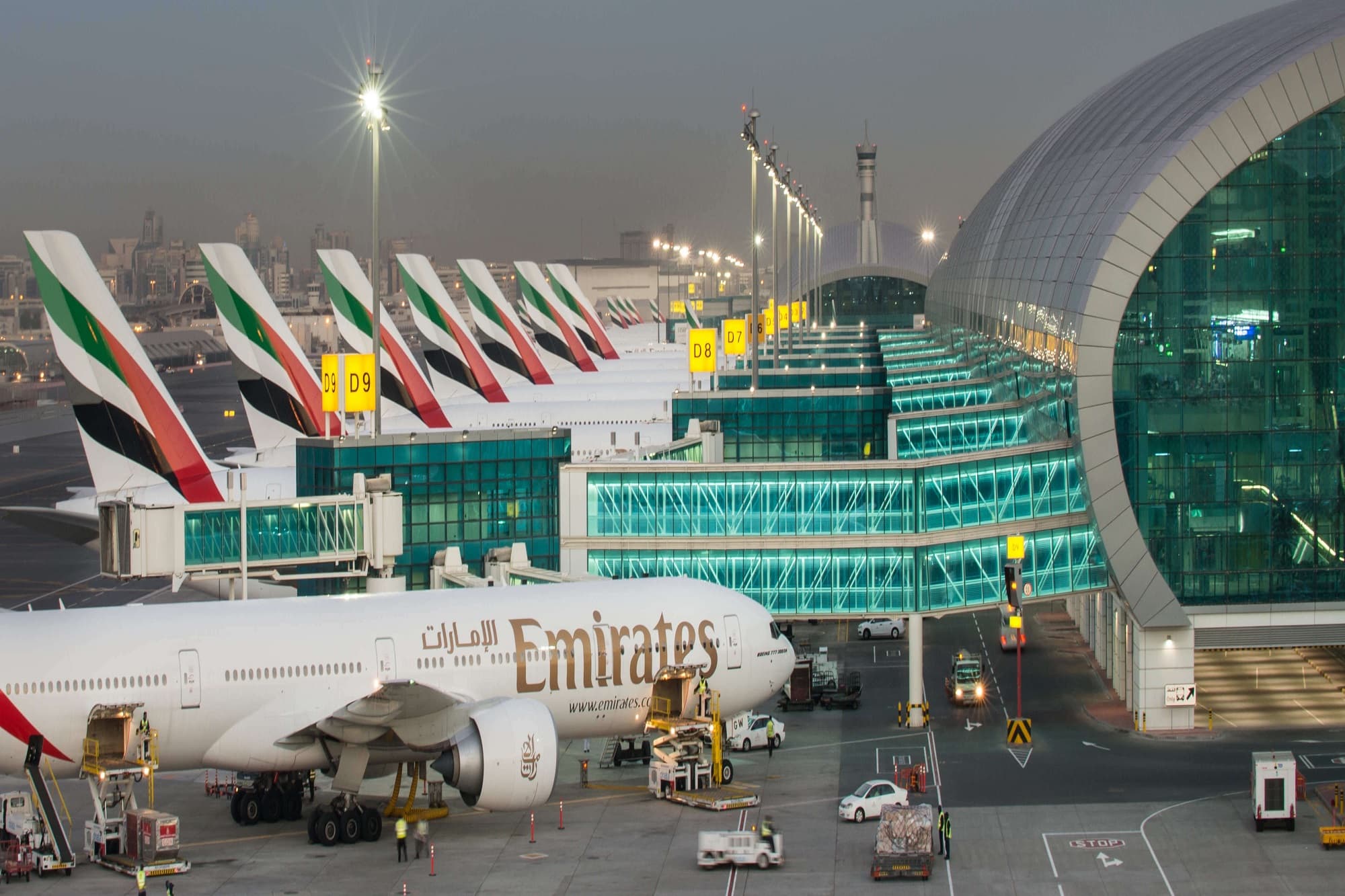
Iranian Drone Strike Shuts Dubai International Airport, Thousands Stranded
25 sources compared

Iran Drone Strike Shuts Dubai International Airport, Triggers Global Travel Disruption
16 sources compared

Iran's New Supreme Leader Mojtaba Khamenei Travels to Moscow for Leg Surgery
15 sources compared