Europe21 October, 20252 min read
Slovak Court Sentences Man to 21 Years for Terrorist Assassination Attempt on Prime Minister Fico
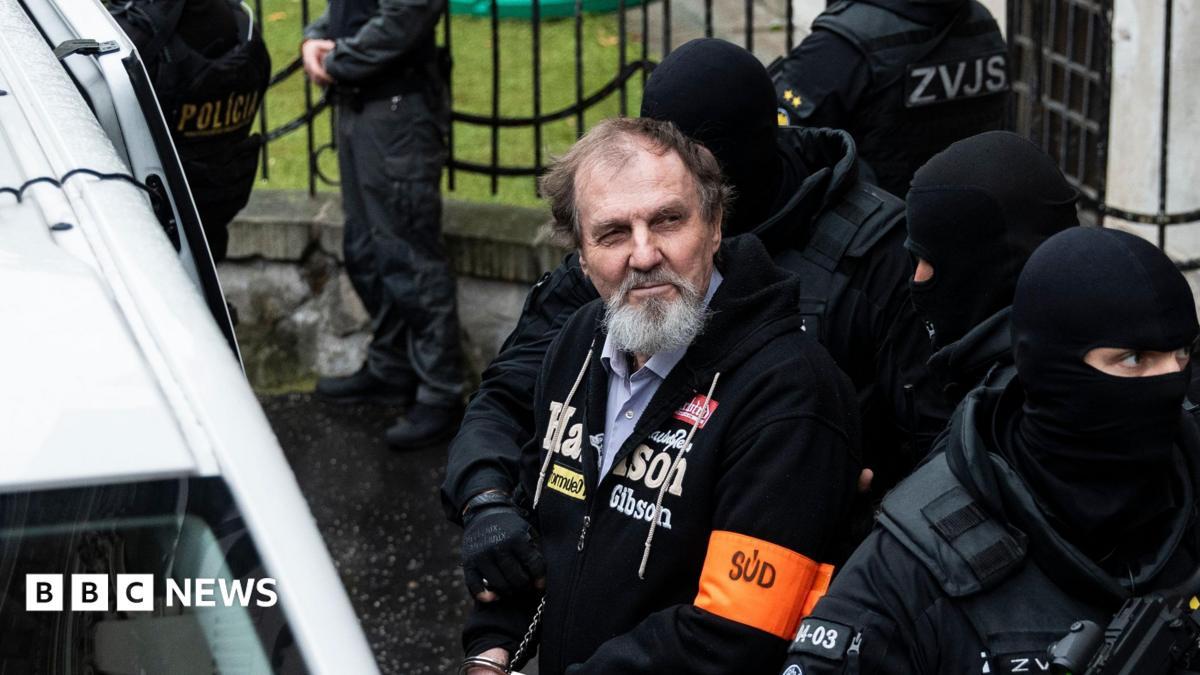
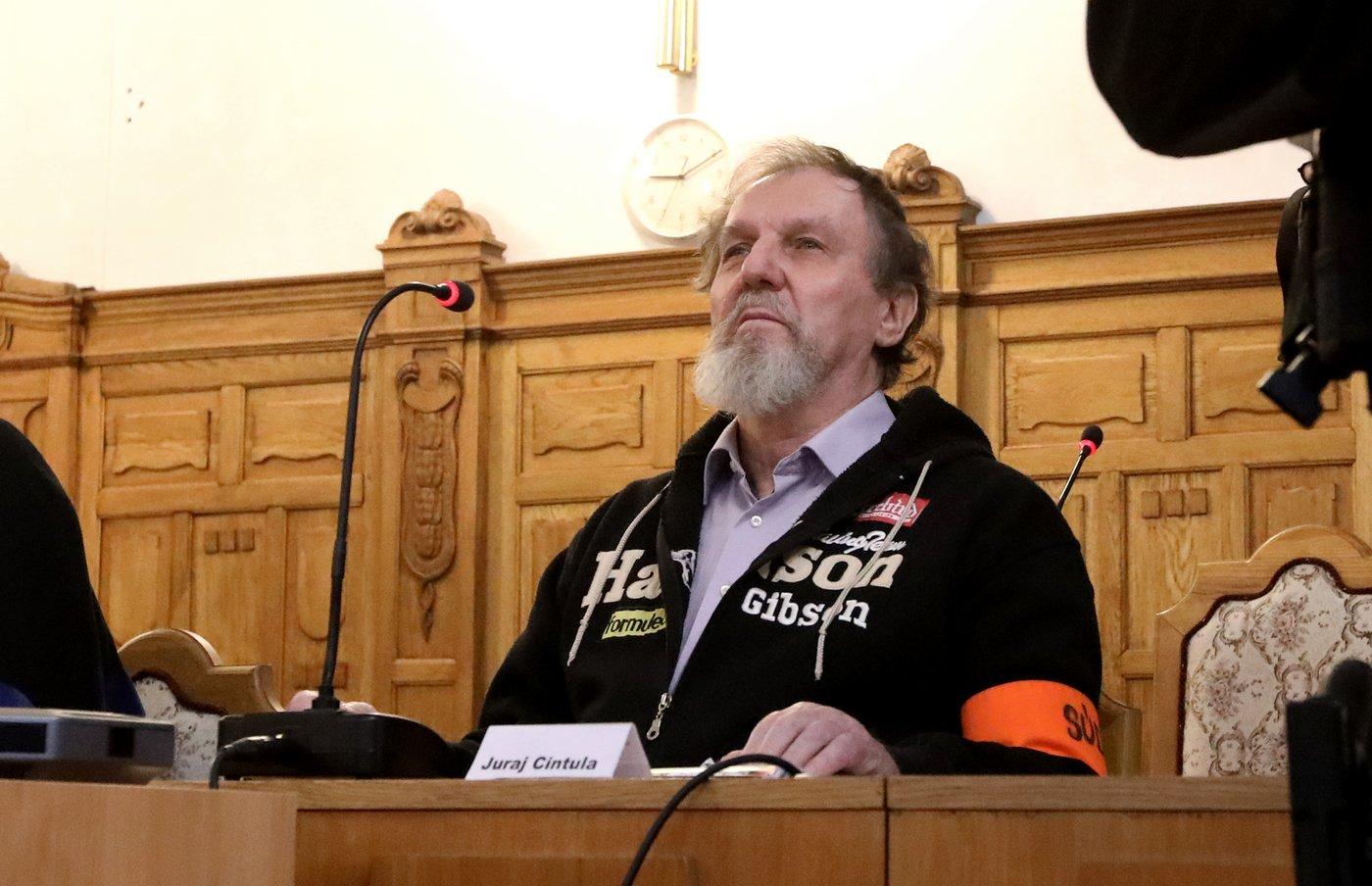
Juraj Cintula, 72, shot Prime Minister Robert Fico five times in Handlová in May 2024. Slovak Specialized Criminal Court convicted Cintula of terrorism and sentenced him to 21 years.
32 outlets told this the same way.
Outlets did split on Marco Rubio Urges Europe To Awaken From Slumber In Athens Speech →
Court Sentences Shooter of Prime Minister
A Slovak court sentenced 72-year-old Juraj Cintula to 21 years in prison for a terror attack. He shot Prime Minister Robert Fico during a public event in Handlová on May 15, 2024. Fico was wounded in the abdomen and underwent two surgeries but recovered.
“A Slovak court convicted Juraj Cintula of a terror attack for the attempted assassination of Prime Minister Robert Fico and sentenced him to 21 years in prison.”
Multiple outlets note the court legally classified the attack as terrorism. The Specialized Criminal Court officially recognized the assault as an act of terrorism.

Coverage consistently places the shooting in Handlová as Fico greeted supporters. Cintula was convicted of a terror attack, though he denied being a terrorist during questioning.
Court Ruling on Political Attack
Cintula’s stated motive centered on opposition to Fico’s policies. He repeatedly claimed he intended to injure rather than kill—assertions the court rejected in favor of a terrorism conviction. Outlets report he admitted the attack was intended to stop Fico’s policies.
He claimed he aimed to avoid vital organs and only intended to injure. He declared his actions a protest against corruption and abuse of power.

Judges, however, ruled the act sought to destabilize the government and intimidate state institutions. Some coverage added that the court viewed his aim as to overthrow the government rather than seek personal revenge.
Details of 21-Year Sentence
The 21-year sentence stopped short of life imprisonment. Courts and outlets cited varying reasons for the reduction, including age, health, lack of prior convictions, and cooperation. ANSA cites advanced age, health condition, and lack of prior criminal record as reasons.
“Juraj Cintula, 72, was sentenced to 21 years in prison by the Banska Bystrica Special Court for attacking Slovakian Prime Minister Robert Fico in May.”
UNB notes age and a clean record. Spectator.sme.sk adds poor health as a factor. Euractiv mentions age and cooperation.
Several outlets report that he will appeal or has reserved the right to appeal. Prosecutors had sought a life sentence.
Evolution of Investigation Narrative
Investigative narratives evolved over time. Some outlets say officials initially treated it as a lone-wolf case but later acknowledged possible third-party involvement. Legal charges shifted from attempted murder to terrorism as motives were assessed.
fakti.bg reports authorities first labeled the attacker a 'lone wolf,' then noted possible involvement of a third party. The charges moved from attempted murder to terrorism according to fakti.bg. Killeen Daily Herald and iNFOnews.ca similarly cite new evidence suggesting a third party.

Hürriyet Daily News notes prosecutors first brought premeditated murder charges before reclassifying the case as terror-related. Other reports focus on the final terrorism conviction without revisiting earlier investigative theories.
Slovakia's Political Controversies
The case unfolds amid Slovakia’s polarized politics. Western Mainstream and West Asian sources emphasize Fico’s controversial agenda, which includes crackdowns on NGOs, cultural institutions, and media. His agenda also involves limiting LGBTQ rights and opposing the arming of Ukraine.
“A recent constitutional amendment approved by parliament limits LGBTQ rights by prioritizing national law over EU legislation.”
These actions have sparked large protests. Several Asian and Other outlets also note Fico’s forgiveness of the attacker. The Telegraph reports that Fico blamed the liberal opposition and media.
It also details a constitutional amendment that limits LGBTQ rights, with protests under the slogan “Slovakia is Europe.” Al Jazeera similarly cites a crackdown and mass protests.
UNB and NBC/CW39 stress Fico’s forgiveness and his controversial tilt closer to Russia. Brussels Signal links policy shifts to widespread protests.