
Social Media Floods Internet With AI Fake Iran War Videos, Fueling Misinformation
Key Takeaways
- AI-generated videos and images depicting the Iran war are flooding social media platforms
- Experts have identified many of these clips and images as AI-created and misleading
- Fake content has amassed tens of millions of views in nearly two weeks
Scale of fake content
Since the outbreak of the Iran war, social media platforms have been flooded with fabricated videos and images — including high-quality clips identified by experts as AI-created — that have amassed tens of millions of views in the first two weeks of the conflict.
“Fake videos and images of the war with Iran that experts have identified as AI-created have racked up tens of millions of views on social media platforms in the nearly two weeks since the war began”
CNN reported that "Fake videos and images of the war with Iran that experts have identified as AI-created have racked up tens of millions of views on social media platforms in the nearly two weeks since the war began," and Daniel Dale has been cataloguing and explaining these viral fakes.

KEYT 3 Santa Barbara, republishing Daniel Dale's reporting, also notes that such AI-made content is spreading rapidly and that one circulating fake depicts an imaginary barrage of Iranian missiles striking Tel Aviv.
AI quality and accessibility
The current wave differs from earlier conflicts because generative AI tools have made it easy for almost anyone to create photorealistic, convincing footage; experts quoted in the reporting say these fakes are more numerous and far harder to debunk than the crude manipulations of past wars.
KEYT relays Hany Farid’s assessment that ten years ago there were only a handful of fakes that were quickly debunked, but now "you see hundreds of them, and they’re really realistic,"
and BBC Verify’s Shayan Sardarizadeh told reporters that generative AI is "now possible to create very believable videos and images appearing to show a significant war incident that is hard to detect to the untrained or naked eye."
CNN’s coverage underscores this shift to AI-generated custom content joining older photo-shopped and mislabeled clips.
Old and new fakes
These AI-enabled fakes are building on earlier kinds of deception — mislabeled clips taken from video games, movies, past incidents and unrelated coverage — creating a mixed ecosystem of misinformation that is both old-fashioned and novel.
“Fake videos and images of the war with Iran that experts have identified as AI-created have racked up tens of millions of views on social media platforms in the nearly two weeks since the war began”
The KEYT piece, citing Daniel Dale’s reporting, notes that after Russia’s 2022 invasion of Ukraine social media was already "littered with crude fakes" such as photoshopped phonies and misattributed clips,
and that the same older tactics have reemerged alongside AI creations in the Iran war; CNN’s reporting similarly places the new AI fakes within a broader pattern of wartime disinformation.
Danger and spread
Experts and debunkers warn the volume and realism of the content make it especially dangerous: they say people are prone to believe and amplify convincing fabrications, and that the new fakes can shape perceptions of battlefield events almost immediately.
KEYT quotes Hany Farid that these fakes "are landing — it’s landing hard. People believe it and they’re amplifying it," and BBC Verify’s Sardarizadeh emphasises that the content is hard for an untrained eye to detect;
CNN highlights that fact by reporting Daniel Dale’s efforts to break down and give viewers tips for vetting what they see online.
Fact-checking response
The reporting underscores both the challenge and the response: while social platforms are seeing a surge in AI-fabricated war imagery, fact-checkers and journalists are documenting examples, explaining detection methods, and urging caution among consumers of online content.
“Fake videos and images of the war with Iran that experts have identified as AI-created have racked up tens of millions of views on social media platforms in the nearly two weeks since the war began”
Daniel Dale’s work — highlighted by both CNN and the KEYT republished piece — is presented as part of that debunking effort, and experts urge users to treat powerful-looking footage skeptically because generative AI has made it widely accessible to create "very believable" but false scenes.
More on Iran
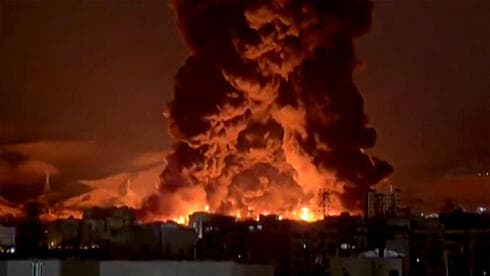
US obliterates military targets on Iran’s Kharg Island, Trump warns
13 sources compared

US Deploys About 2,500 Marines to Middle East After Iran Attacks Gulf Shipping
33 sources compared
FBI Warns of Iranian Drone Plot Based on Unverified Tip; California Says No Credible Threat
10 sources compared

White House Demands ABC Retract Report Claiming Iran Sought To Launch Drone Attacks On California
11 sources compared