
Solar Storms Threaten Artemis II Lunar Mission as NASA Prepares Launch
Key Takeaways
- Artemis II launches from Kennedy Space Center around April 1, 2026, with four astronauts.
- Space weather experts monitor solar eruptions to safeguard Artemis II's crew during the 10-day mission.
- Crew travels beyond Earth's magnetic field, relying on Orion protection against solar radiation.
Rising Solar Activity
A powerful X-class solar flare erupted from the Sun, followed by a fast-moving CME directed toward Earth.
NOAA issued a geomagnetic storm watch overlapping the April 1 launch window.

Sources reported the flare and CME sequence but varied in framing, with some emphasizing danger and others NASA's cautious approach.
The rising solar activity underscored the unpredictability of missions beyond Earth's magnetic shield.
Radiation Risks Beyond Magnetosphere
Artemis II will be the first human mission to leave Earth's magnetosphere since Apollo 17.
Solar flare particles can penetrate spacecraft hulls and harm astronauts.

Moderate radiation increases cancer risk, heavier doses can cause acute sickness.
The mission was timed to avoid solar maximum, but the flare was unexpected.
Protective Measures
NASA and NOAA have established a partnership to monitor space weather for Artemis II.
The Orion spacecraft has a dedicated storm shelter for high-radiation events.
The mission's free-return trajectory facilitates faster returns if needed.
Operational Challenges
Solar storm activity compressed the launch window.
CME impacts can interfere with communication between ground control and the rocket.
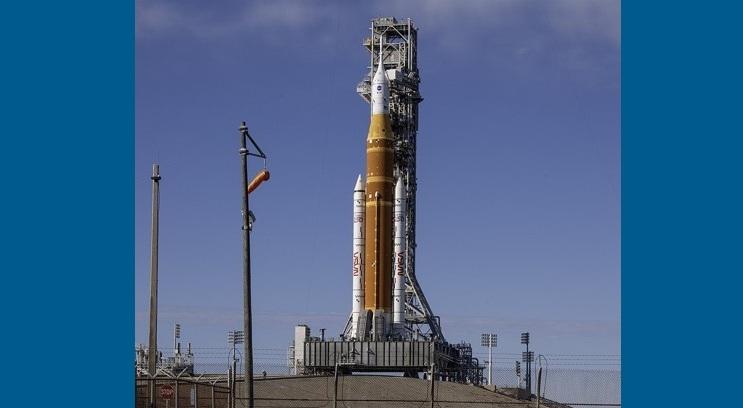
Space weather unpredictability added complexity beyond terrestrial considerations.
More on Technology and Science
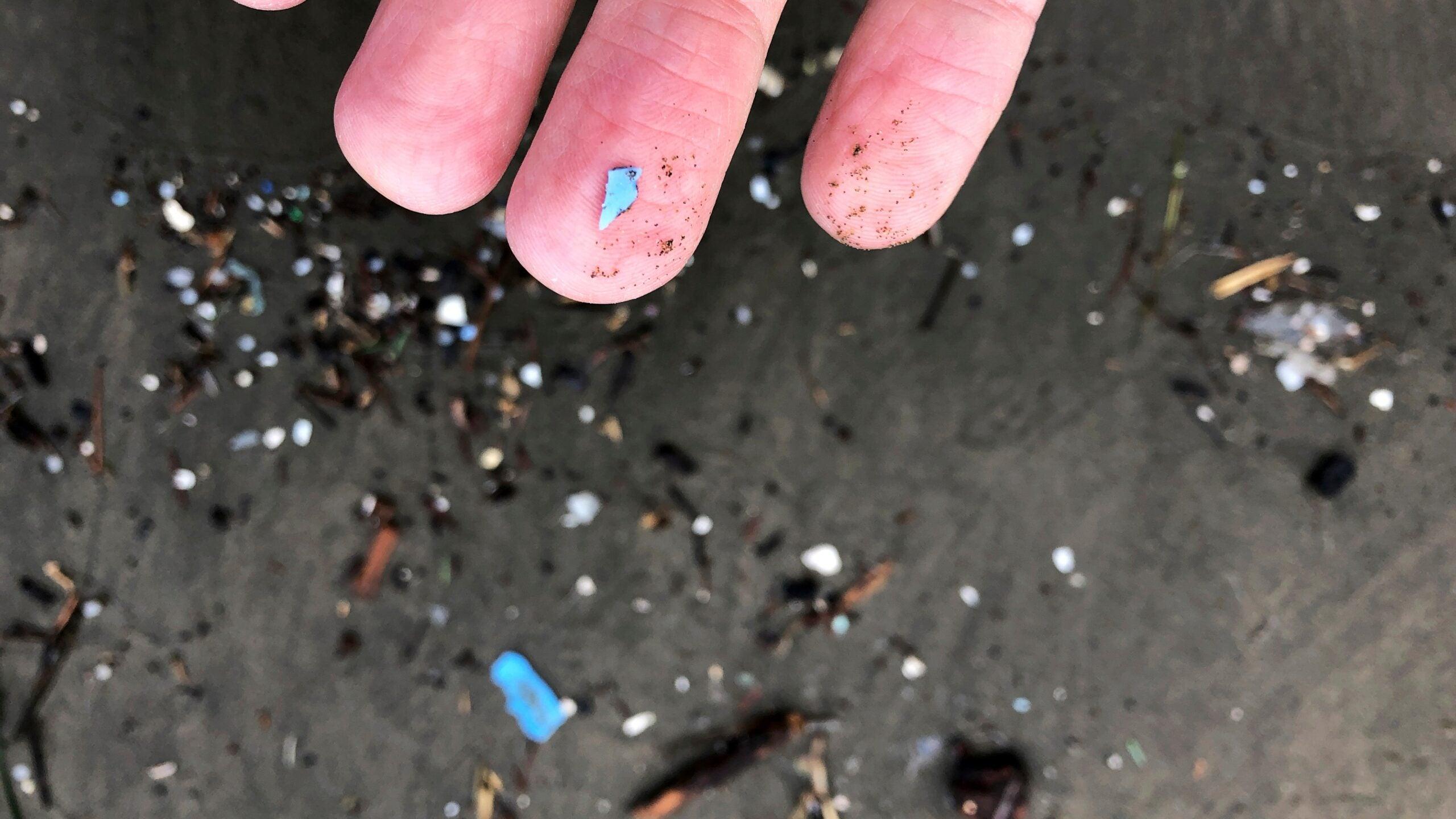
EPA Adds Microplastics, Pharmaceuticals to Contaminant List
10 sources compared
EPA Moves to Regulate Microplastics, Pharmaceuticals in Drinking Water
15 sources compared

United Launches TSA Wait Time Feature in Mobile App at Seven Hub Airports
15 sources compared
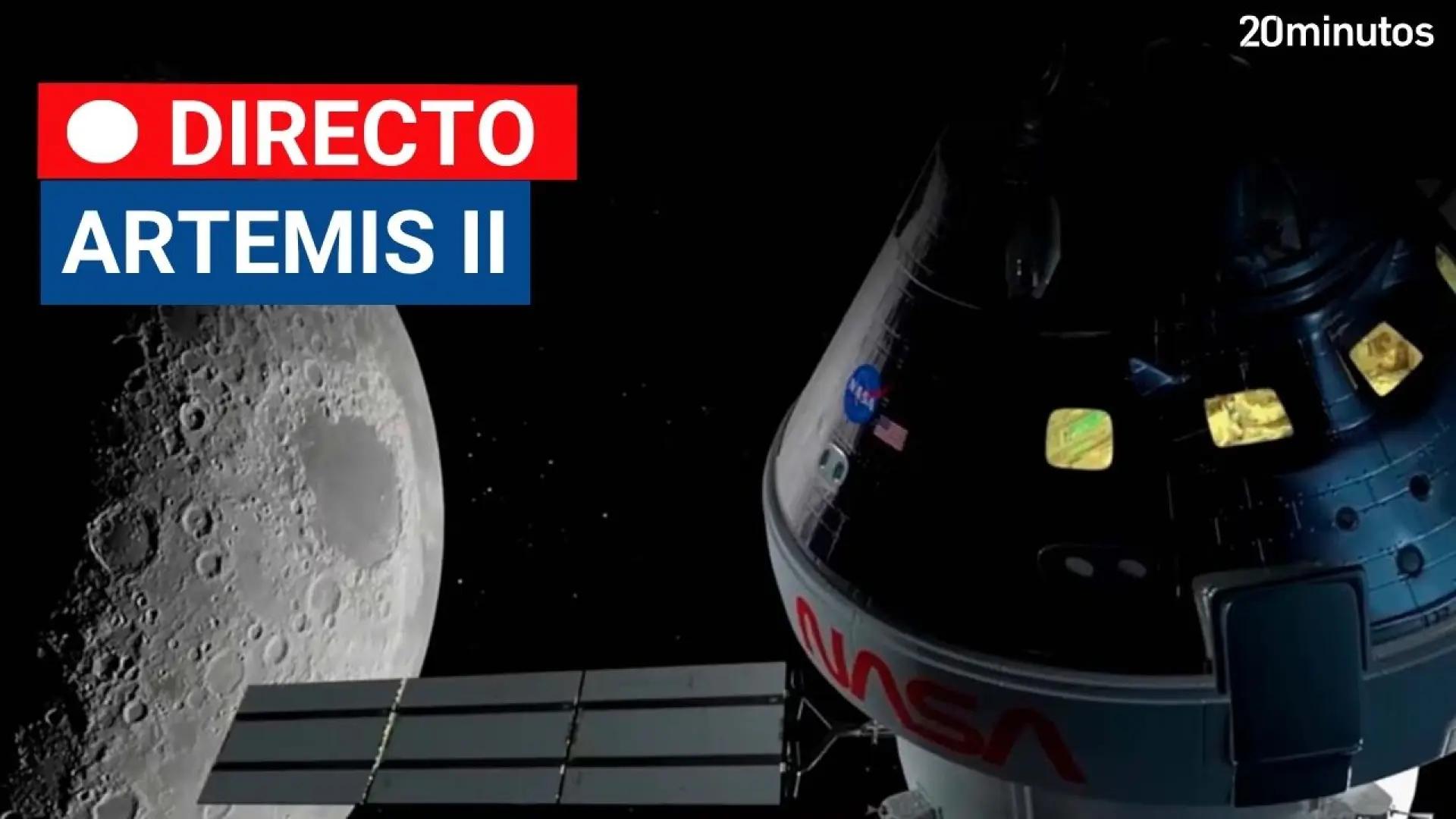
NASA Launches Artemis II, Streams Live Orbit Tracker and Views
53 sources compared