Gaza Genocide30 January, 20263 min read
South Africa Expels Israel's Chargé d'Affaires Ariel Seidman, Declares Him Persona Non Grata
This article is an automated aggregation of coverage from news outlets. Our editorials offer in-depth analysis curated by the NewsCord team.
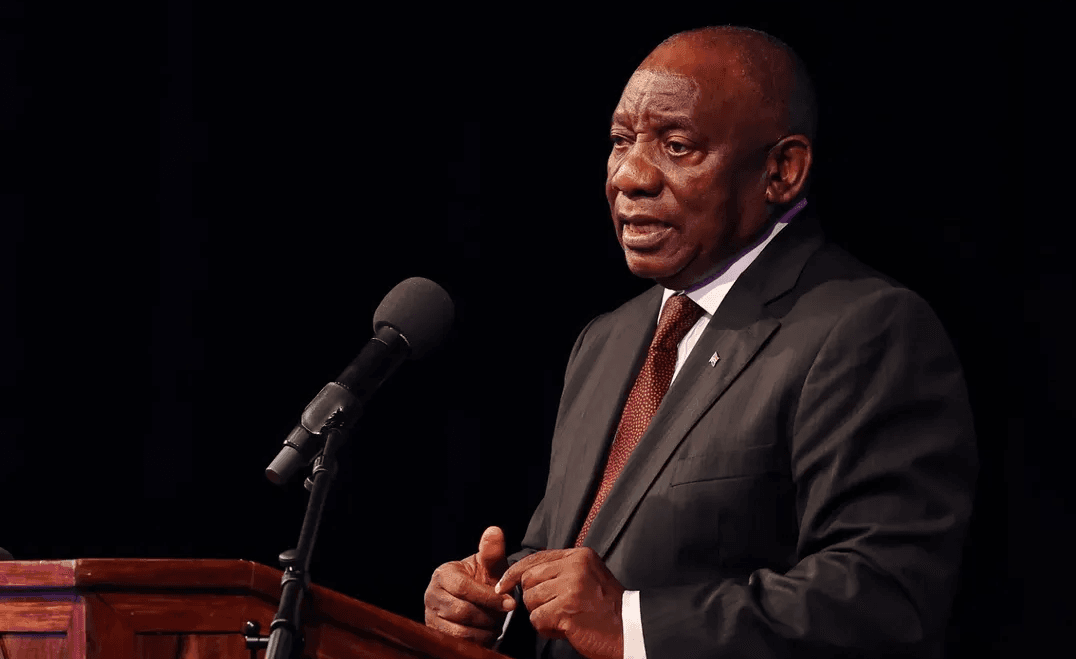
South Africa declared Ariel Seidman persona non grata, ordering him to leave within 72 hours. DIRCO accused Seidman of insulting President Cyril Ramaphosa via official Israeli social media.

50 outlets told this the same way.
Outlets did split on Israel Marks Oct. 7 Anniversary With Strikes on Gaza, Netanyahu Faces Election After Nova Tribute →
BBC was read line by line by the Watchdog: 6.4. See the score →
Diplomatic dispute summary
South Africa’s Department of International Relations and Cooperation (DIRCO) declared Israel’s chargé d’affaires in Pretoria, Ariel Seidman, persona non grata on Jan. 30 and ordered him to leave within 72 hours, citing a series of unacceptable violations of diplomatic norms.
“South Africa declared Israel's top diplomat in the country, chargé d'affaires Ariel Seidman, persona non grata and gave him 72 hours to leave, accusing him of ‘violating diplomatic norms’ — including using official social media to attack President Cyril Ramaphosa and arranging visits by Israeli officials without government permission. The foreign ministry called his actions ‘a gross abuse of diplomatic privilege.’”
DIRCO specifically accused the Israeli mission of using official Israeli social media to launch insulting attacks on President Cyril Ramaphosa, failing to notify authorities about visits by senior Israeli officials, and committing a gross abuse of diplomatic privilege in breach of the Vienna Convention.

The ministry said the conduct undermined bilateral trust and South African sovereignty and demanded more respectful diplomatic engagement going forward.
Israel and South Africa dispute
Israel quickly retaliated by declaring South Africa’s senior diplomatic representative, Shaun Edward Byneveldt, persona non grata and ordering him to leave within 72 hours. It called Pretoria’s move unilateral, baseless and a false attack.
Israeli officials — including Prime Minister Benjamin Netanyahu and, in some reports, Foreign Minister Gideon Sa’ar — said Israel may consider further measures in response to what it described as an unjustified diplomatic escalation. Reports note both countries effectively lack resident ambassadors after earlier recalls, making the chargés d’affaires the senior on-the-ground officials whose expulsions now deepen the breach.

South Africa's ICJ genocide case
The expulsions sit squarely in the legal and moral dispute that South Africa brought before the International Court of Justice. Pretoria filed a case accusing Israel of breaching the Genocide Convention and asked the court for provisional measures including a ceasefire, withdrawal from Rafah and unimpeded humanitarian access. Several sources report that the ICJ has issued provisional measures and that the court found South Africa's genocide claim 'plausible'.
“The expulsions occur amid severely strained ties since South Africa filed a genocide case against Israel at the International Court of Justice in December 2023 — a claim the court in January 2024 found 'plausible' — a case Israel rejects as false.”
International reporting and rights groups cited in coverage say Israel has been obstructing fuel and lifesaving aid to Gaza and, through collective punishment and restrictions on aid, committing acts that rights monitors warn may amount to war crimes. Many West Asian and African outlets describe the Gaza campaign as genocidal or use that specific term when reporting South Africa's allegations. Multiple outlets also report very high Palestinian civilian casualty figures, often more than 71,000 killed since October 2023, with many sources highlighting that the victims include large numbers of women and children.
Reactions to diplomatic expulsions
Domestic and international reactions to the expulsions are sharply divided. Some South African Jewish groups and community leaders condemned Pretoria's move as disproportionate or politically motivated, arguing it will politicize humanitarian projects and harm vulnerable communities. By contrast, many pro-Palestine activists, ruling-party figures and South African officials defended the step as an assertion of sovereignty and a response to Israel's actions in Gaza.
Internationally, the expulsions drew warnings from foreign capitals and commentators. U.S. officials and some Western allies were reported to be critical and to be considering punitive measures or withholding aid to Pretoria over its positions. Israel's allies signalled support for Israel's response to what they called an unwarranted diplomatic attack.

Israel and South Africa fallout
Analysts and observers warned the expulsions could deepen a diplomatic rupture. They said consequences could include disruptions to cooperation on water, agriculture and technology, political isolation for Pretoria, and the risk of fully severed relations if either side escalates further. Israeli officials framed their response as justified and signalled possible additional measures.
“Observers warn the reciprocal expulsions could escalate into a full diplomatic breakdown and further damage South Africa’s international standing.”
South Africa framed its step as a defense of sovereignty and international law in the face of what it describes as Israel’s genocidal campaign in Gaza. Coverage varies by source type, with Israeli and pro‑Israeli outlets emphasizing Israel’s rebuke and the baselessness of the move while African and West Asian outlets highlight the genocide allegations, the humanitarian catastrophe and legal steps at the ICJ. The immediate practical effect is that neither country currently has an ambassador in place and both have removed their senior in‑country representatives, a hard diplomatic downgrade that multiple outlets say could presage further escalation.