Africa17 December, 20252 min read
South African Immigration and Law Enforcement Officers Raid US Refugee Processing Center, Arrest Seven Kenyans
This article is an automated aggregation of coverage from news outlets. Our editorials offer in-depth analysis curated by the NewsCord team.
South African immigration and law enforcement raided a US refugee processing center in Johannesburg. Seven Kenyan nationals arrested at the center for working illegally and issued deportation orders.
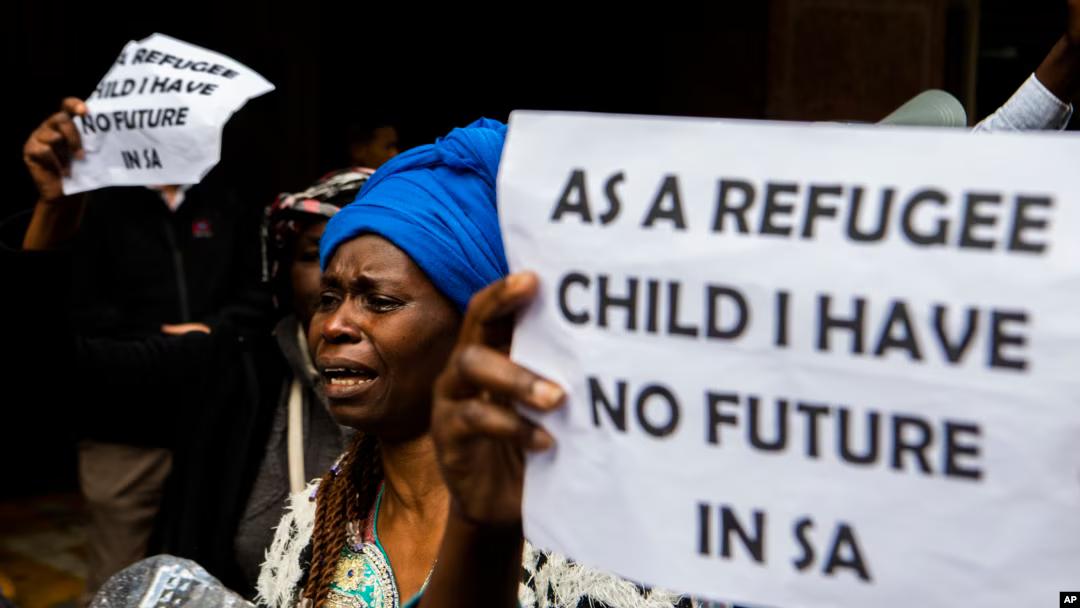
19 outlets told this the same way.
Raid on refugee application centre
South African immigration and law-enforcement officers raided a Johannesburg centre that had been processing applications for a new U.S. refugee programme. They arrested seven Kenyan nationals accused of working on tourist visas and issued deportation orders, the Home Affairs Ministry said. Authorities described the operation as part of enforcement against visa abuse and illegal employment.
“South African authorities said immigration and law enforcement officers raided a Johannesburg center that was processing applications for a new U.S. refugee program and arrested seven Kenyan nationals for working there illegally.”
Officials said the site was not a diplomatic mission and no U.S. officials were detained at the scene. The arrests and subsequent deportation orders risk further straining already tense U.S.–South Africa relations amid controversy over the relocation programme.

Relocation programme scrutiny
The centre was handling applications from white South Africans, largely Afrikaners, who were given priority under a Trump administration initiative.
The U.S. Embassy acknowledged contracting RSC Africa, a Kenya-based arm of Church World Service, to process the applications.

South Africa disputed that Afrikaners are being persecuted but said it would not block relocation applications.
The episode intensified scrutiny of the programme and the contractor arrangement.
Coverage noted the involvement of a Kenya-based NGO contractor.
It raised questions about why Kenyan nationals were working at a Johannesburg site on tourist visas instead of with formal work permits.
Visa enforcement and diplomatic fallout
Officials repeatedly emphasized immigration-law breaches, with South Africa’s Home Affairs Ministry saying the Kenyans had entered on tourist visas and had previously been denied work permits. The arrested workers received deportation orders and multi-year re-entry bans. Pretoria framed the raid as an intelligence-led part of an 18-month crackdown on visa abuse and illegal employment.
“The Kenyans were arrested, issued deportation orders and banned from re-entering South Africa for five years; Pretoria said the raid was based on intelligence that some Kenyans had illegally taken up work at the centre.”
The Department of International Relations and Cooperation opened formal talks with the U.S. and Kenya to resolve diplomatic concerns. The State Department called South African interference in refugee operations "unacceptable" and demanded clarification and cooperation, deepening the diplomatic row.
Relocation policy controversy
The episode sits amid a politically charged backdrop. The Trump administration’s decision to prioritise mainly white Afrikaners for relocation has been highly controversial, prompting diplomatic complaints and accusations about claims of persecution.
Outlets note that the policy has already flown some Afrikaners to the U.S., and proposals for larger allocations (figures vary across reporting) have aggravated tensions. Commentary ranges from sober reporting of the procedural fallout to sharper criticism of the policy’s basis in disputed claims of persecution.
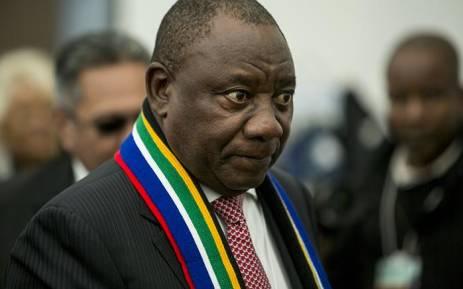
Disputed detentions and diplomacy
Reporting diverges on some factual points and emphasis. It is unclear from available accounts whether U.S. officials at the site knew the Kenyan staff lacked work authorisation. Outlets disagree about whether any U.S. personnel were detained.
“Two U.S. Citizenship and Immigration Services (USCIS) officers at the site were briefly detained and then released, a source told Reuters.”
Breitbart, quoting Reuters, says two USCIS officers were briefly detained and released. AP, ABC News, New Indian Express and other outlets report that no U.S. officials were detained. South Africa stresses legal enforcement and sovereignty.
U.S. statements describe the action as unacceptable interference. Formal diplomatic talks have been opened between Pretoria, Washington and Nairobi to resolve outstanding questions.