Australia15 January, 20262 min read
South Australian Premier Peter Malinauskas Rejects Adelaide Festival Offer To Reinvite Palestinian-Australian Writer Randa Abdel-Fattah
Adelaide Festival disinvited Randa Abdel‑Fattah, prompting over 180 authors to withdraw and cancelling Writers' Week Festival board later apologised and invited Abdel‑Fattah to the 2027 Writers' Week
10 outlets told this the same way.
Adelaide Writers' Week dispute
South Australian Premier Peter Malinauskas publicly rejected the Adelaide Festival board's offer to re-invite Palestinian-Australian writer Dr Randa Abdel-Fattah for the 2027 Adelaide Writers' Week. He said he 'does not support' the board's move and that his views, 'formed based on fact,' remain unchanged. The dispute grew out of the board's earlier removal of Abdel-Fattah from this year's program after the Bondi Beach attack.
“South Australian Premier Peter Malinauskas says he does not support the Adelaide Festival board’s offer to rebook Palestinian-Australian writer Dr Randa Abdel-Fattah for the 2027 Adelaide Writers’ Week. Malinauskas said his views, formed ‘based on fact,’ have not changed.”
The Adelaide Festival Corporation later said it had 'unreservedly' apologised while offering her a spot in 2027. Abdel-Fattah's removal precipitated wide protest, with about 180 writers withdrawing and the cancellation of the 2026 Writers' Week.

Defamation case over appointment
Dr Randa Abdel-Fattah has announced she will pursue defamation proceedings against Premier Malinauskas over remarks he made about her planned inclusion. Legal action is ongoing, with The Guardian reporting Abdel-Fattah’s defamation action will continue on Thursday.
Both The Guardian and au.rollingstone note Malinauskas has denied directly intervening in the board’s choice but acknowledged telling others the state government did not support her inclusion. The conflict has drawn political comment, with Greens arts spokesperson Sarah Hanson-Young urging Malinauskas to apologise.

Media framing of apology
Coverage diverges on the framing of free expression and the apology. Al Jazeera presents the board's retraction and apology as an admission it "failed to uphold intellectual and artistic freedom," and reports Abdel-Fattah accepted the apology as recognition of "the right to speak about atrocities against Palestinians" and as vindication of collective solidarity against anti-Palestinian racism. By contrast, several Australian outlets foreground governance, the premier's remarks and questions about who exerted influence over the board's decision.
“The board retracted its earlier decision to exclude Abdel‑Fattah, said it had ‘unreservedly’ apologised and will reinstate her invitation for the 2027 event, acknowledging it had failed to uphold intellectual and artistic freedom.”
Writers Week governance fallout
The political and governance fallout has been substantial. Louise Adler resigned as Writers Week director in protest. Many board members have announced they will step down.
High-profile participants, including former New Zealand prime minister Jacinda Ardern, withdrew in solidarity. Coverage highlights disagreements over who pushed for Abdel-Fattah's removal. The premier denied direct intervention but acknowledged he told officials the state government did not support her inclusion.
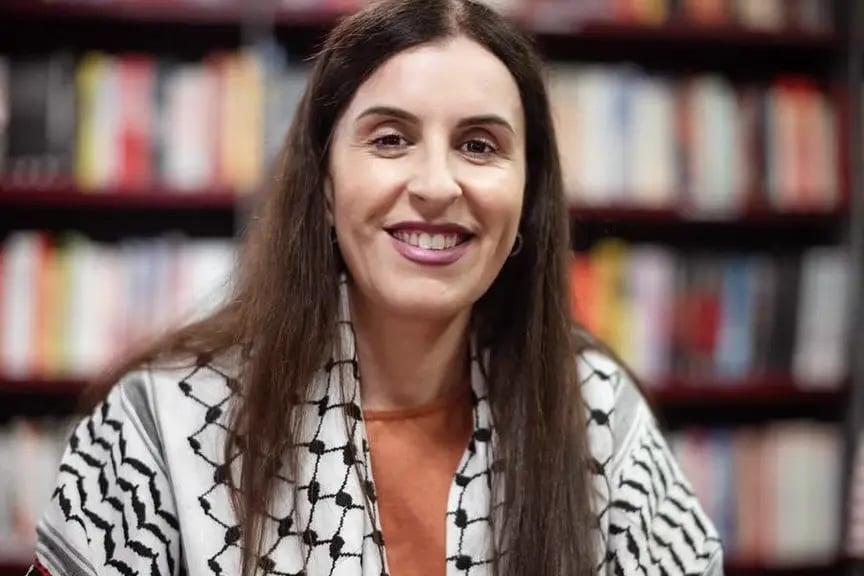
Critics called the premier's remarks a 'vicious personal assault'. Others labelled the board's actions 'a masterclass in poor governance'.
Apology, invitation and fallout
Uncertainty remains about what comes next. Abdel-Fattah has accepted the board's apology but has not yet decided whether to take up the 2027 invitation. She said she would appear "in a heartbeat" if Louise Adler were director again, while legal proceedings against the premier continue.
“Abdel‑Fattah ... said she accepted the apology as recognition of the right to speak about atrocities against Palestinians and as vindication of collective solidarity against anti‑Palestinian racism, though she has not yet decided whether to take up the 2027 invitation; she said she would appear ‘in a heartbeat’ if Louise Adler, who resigned in protest at the board’s initial decision, were director again.”
Media reports note both the apology and the offer of a 2027 spot, alongside the ongoing defamation case and calls for further apologies from political figures. The disparate emphases across outlets—legal action, artistic freedom, political responsibility—mean public understanding of the episode depends on which sources are consulted.