Sudan09 December, 20252 min read
South Sudan Army Moves Into Heglig Oilfield to Secure It After RSF Seized Site
Rapid Support Forces seized the Heglig oilfield, prompting worker evacuations and production shutdown. South Sudan army deployed into Heglig under agreement to secure the oil infrastructure.
9 outlets told this the same way.
Outlets did split on Air Strike Destroys Two WFP Trucks Carrying Food for 5,800 People in South Kordofan →
Heglig oilfield seizure
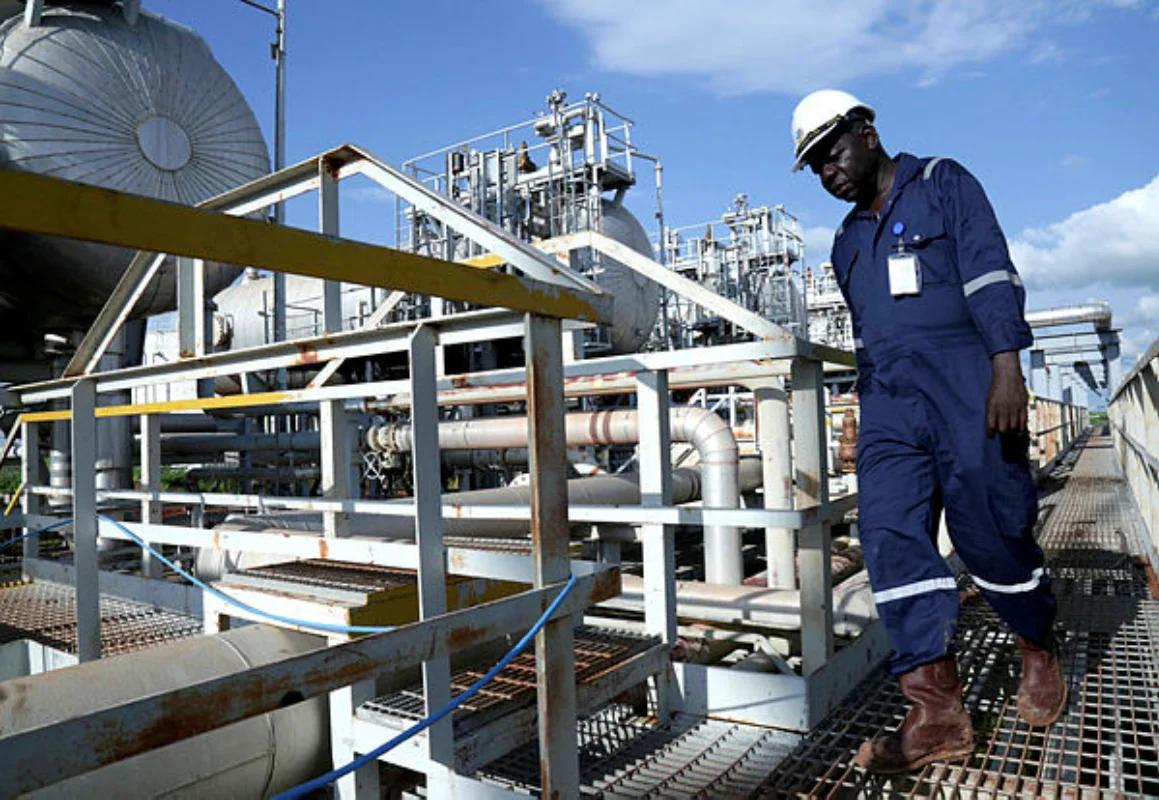
Sudan's paramilitary Rapid Support Forces (RSF) seized the Heglig oilfield on the South Sudan border. The takeover prompted a rapid response from neighbouring Juba, which deployed South Sudanese forces to the area and said they would remain strictly neutral while aiming to completely neutralise the Heglig field from any combat operations. Heglig hosts a central processing facility able to handle roughly 130,000 barrels per day of South Sudanese crude and feeds a long export pipeline.
“South Sudan has deployed forces to the Heglig oil area, saying they will remain strictly neutral and aim to ‘completely neutralise the Heglig field from any combat operations’ because the site is an economic lifeline for both Sudan and South Sudan.”
Reports say production was halted and workers were evacuated amid the fighting. The takeover and subsequent cross-border movements have raised immediate concerns about oil exports for both countries and about protection of personnel and infrastructure.

Post-capture movements and evacuations
Reports indicate substantial movement of personnel and equipment after the capture. Al Jazeera says around 3,900 Sudanese soldiers crossed into South Sudan's Rubkona County after evacuating Heglig, handing over tanks, armoured vehicles and artillery to South Sudanese authorities. Other reports describe images circulating of Sudanese 90th Brigade troops inside South Sudan and commanders relocating.
CNPC, the Chinese operator at Heglig and Block 6, halted production and evacuated workers to South Sudan. Officials described agreements to evacuate staff and avoid clashes as talks between Khartoum and Juba began.

Economic impact of Heglig loss
Al-Jazeera Net details Heglig’s capacity and the pipeline’s length, warning that a shutdown would devastate South Sudan’s finances because oil accounts for about 90% of its revenue. It estimates Sudan would lose roughly 21,000 barrels per day in receipts and more than $1 million per day in transit and export fees.
“Heglig’s facilities — about 75 wells and a central processing plant handling roughly 130,000 barrels a day from Unity State — feed a ~1,600 km pipeline to Bashair; a shutdown would devastate South Sudan’s finances (oil ≈90% of revenue) and cost Sudan some 21,000 bpd of receipts plus over $1m/day in transit and export fees.”
Other outlets report that CNPC signalled an end to investments and described the loss as a disaster. OilPrice and additional analyses emphasize the risk to the export corridor and the threat this poses to both countries’ vital oil revenues.
Khartoum and Juba talks
Diplomatic and security measures moved in parallel. Al‑Jazeera Net reports high‑level talks between Khartoum and Juba activating a prior oil‑and‑security pact. Tribal leaders helped broker understandings, and Juba sent a petroleum security delegation to Port Sudan.
International and regional actors urged protection for personnel. Al Jazeera reports a deadly drone strike that killed dozens, including three South Sudanese soldiers, which Sudan’s army said targeted RSF fighters. This underlines how quickly violence and diplomacy are interwoven on the ground.

Heglig capture context
The capture must be read in the broader conflict context. Multiple sources describe Sudan as effectively split, with the army controlling the north, east and centre while the RSF and allied groups hold much of the west and south. They link Heglig’s fall to intensified fighting in Kordofan.
“The RSF called the capture a 'pivotal' economic victory, but the move risks disrupting the export corridor and vital oil revenues for both Sudan and landlocked South Sudan.”
Reporting varies on emphasis. Some reports highlight the humanitarian toll and calls by WHO and MSF for access. Others underscore the strategic economic gain the RSF calls 'pivotal' and the longer-term investor flight signalled by CNPC’s withdrawal.
