Sudan12 December, 20252 min read
South Sudan Deploys Troops to Seize Heglig Oilfield
This article is an automated aggregation of coverage from news outlets. Our editorials offer in-depth analysis curated by the NewsCord team.
South Sudan deployed troops into the Heglig oilfield Deal with Sudan's army and RSF granted SSPDF primary security responsibility

5 outlets told this the same way.
Heglig oil field deployment
South Sudan moved forces into the Heglig oil field after a rare tripartite arrangement between South Sudan's President Salva Kiir, Sudan Armed Forces chief Abdel Fattah al-Burhan, and Rapid Support Forces leader Mohamed 'Hemedti' Dagalo. The stated aim was to 'neutralise' Heglig and withdraw Sudanese combatants so Juba's troops could secure the site. Sources describe the deployment as limited to protection of infrastructure rather than offensive operations.
“RSF seized the Heglig oil field on December 8, 2025.”
Sudan withdrawal and crossings
Sources report the deal called for both Sudanese factions to withdraw so Juba’s troops could secure infrastructure and prevent sabotage. Multiple outlets repeated that South Sudan would not undertake operations inside Sudan. Accounts differ on details of retreating Sudanese personnel and local chaos.
Evrim Ağacı cites official figures of weapon handovers by some 1,700 personnel (60 officers and 1,650 NCOs). It also reports local accounts of roughly 3,900 soldiers entering Rubkona County. Dabanga describes SAF units crossing into South Sudan and surrendering weapons amid thousands of civilians fleeing across the border.
Heglig oil production decline
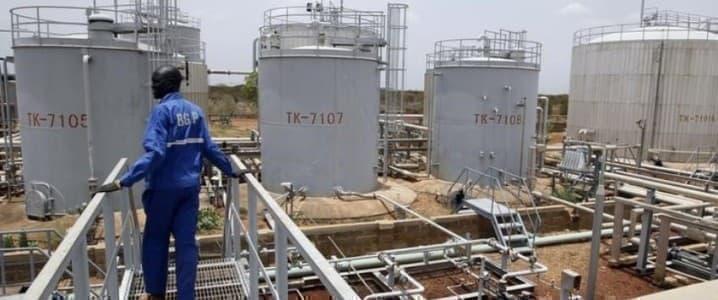
Three outlets emphasize Heglig's strategic economic importance to South Sudan. They note the central processing facility's capacity at about 130,000 barrels per day.
“Heglig is strategically important to South Sudan: its central processing facility can handle about 130,000 bpd and is key to exports via pipelines through Sudan.”
They report a collapse in output, with two sources estimating production fell from roughly 65,000 bpd to about 20,000 bpd since fighting escalated in April 2023. These details are used to explain why Juba would intervene to secure processing and export infrastructure.
CNPC withdrawal and warnings
Industry and government actions reported across sources include the withdrawal of China National Petroleum Corporation after decades of operations. Analysts and former officials warned that active fighting makes production effectively impossible. Dabanga quotes former oil minister Adel Ibrahim saying 'operations cannot function with guns present,' while OilPrice notes CNPC 'confirmed it has withdrawn from Sudan after three decades.'
Coverage of Sudan conflict
The incident prompted sharp diplomatic and humanitarian concern in the coverage. Evrim Ağacı stresses the escalation and humanitarian alarm, noting the conflict has killed tens of thousands, displaced millions, and pushed parts of Sudan toward famine.
“Production has already plunged from ~65,000 bpd to ~20,000 bpd since fighting began in April 2023.”
Other outlets underline economic fallout and limited immediate fiscal impact for Khartoum, but warn of potential long-term damage to the sector. Across all sources, the narrative frames Juba's deployment as narrowly protective even as the event deepens regional instability and prompts urgent diplomacy.