Full Analysis Summary
Sudan land registration controversy
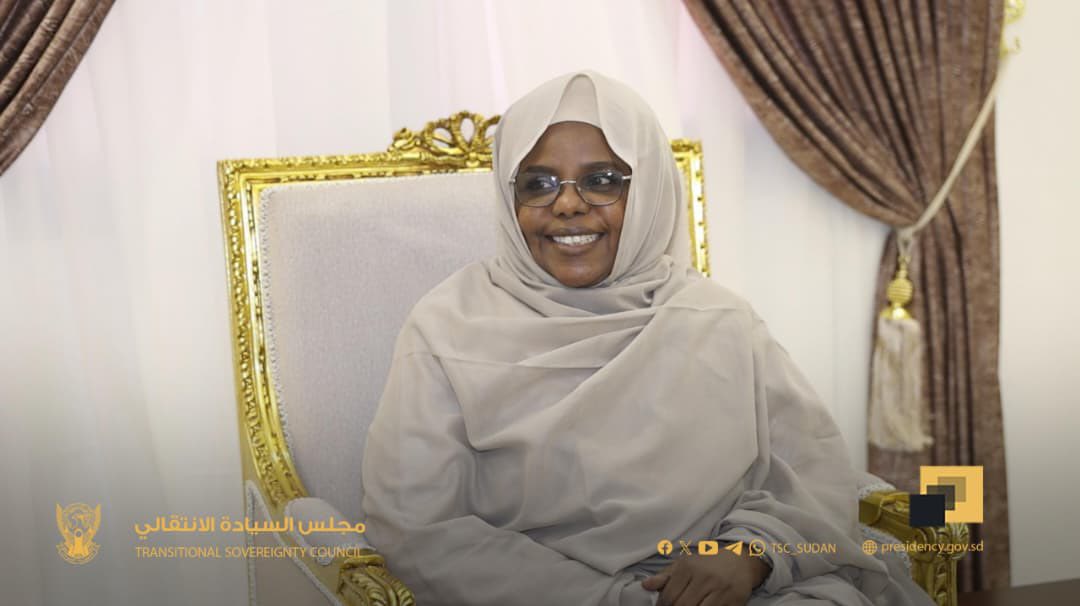
Salma Abdeljabar, a member of Sudan’s Sovereignty Council aligned with Port Sudan authorities, reportedly resigned amid days of public controversy over a disputed land registration.
Both Radio Dabanga and Dabanga Radio TV Online report that she was appointed by Sovereignty Council head Lt. Gen. Abdelfattah El Burhan.
Social media circulated allegations that she sought to register a plot tied to an Islamic complex.
Supporters of the allegation say part of the land had earlier been allocated to her late father under former president Omar al-Bashir.
Both outlets stress that these claims have not been independently verified.
Coverage Differences
Tone
Both Radio Dabanga (Other) and Dabanga Radio TV Online (Other) present nearly identical factual accounts and cautious language, reporting resignation, appointment by Abdelfattah El Burhan, the social-media origins of the accusations, and the lack of independent verification; there is minimal divergence in tone or framing between them.
Allegations on land ownership
Both outlets identify the origin and content of the accusations as coming from social media and describe the contested site as linked to an Islamic complex that some allege is state-owned.
They note a historical claim that a portion of the land was previously allocated to Abdeljabar’s late father during the era of Omar al-Bashir, a point supporters of the online allegations cite.
Each source explicitly adds that these allegations remain unverified, signaling caution in reporting.
Coverage Differences
Narrative Framing
Radio Dabanga uses phrasing like "tied to an Islamic complex that is alleged to be state-owned," while Dabanga Radio TV Online writes "linked to an Islamic complex—land some say is state-owned," a minor wording difference that does not change the underlying claim but reflects slightly different sentence construction; both clearly attribute the core allegations to social-media reporting and note lack of independent verification.
Appointment and online controversy
The reports consistently identify the appointment route that placed Abdeljabar on the Sovereignty Council, naming Lt. Gen. Abdelfattah El Burhan as the official who appointed her.
Both pieces frame the controversy as driven by online accusations rather than results of formal investigations.
They also underscore that the outlets have not independently confirmed the underlying registration or state-ownership claims.
Coverage Differences
Missed Information
Neither Radio Dabanga nor Dabanga Radio TV Online provide independent verification, documentary evidence, or direct statements from Abdeljabar or official land registries; both rely on reporting that cites social-media allegations and note the appointment by El Burhan, but omit follow-up details such as official responses or legal records, indicating a gap in available or reported information.
Summary of two reports
The two articles together offer a narrowly consistent account.
They report a resignation amid social-media controversy and an appointment by El Burhan.
They include allegations of a plot connected to an Islamic complex and claims that the complex had previously been allocated to her family under al-Bashir.
No independent verification is provided in the reports.
Because the reports lack additional sources, official statements, or documentary evidence, the public picture remains partial and reliant on social-media narratives.
Coverage Differences
Contradiction
There is no direct contradiction between the two sources; instead they largely mirror each other. The primary discrepancy is the minor wording and emphasis: Radio Dabanga uses "several days of public controversy" while Dabanga Radio TV Online uses "days of public controversy," but both convey the same timeline and uncertainty. Both explicitly state the allegations are unverified, so neither asserts the claims as fact.
Coverage and limitations
Reporting is limited to two outlets and presents a consistent but circumscribed narrative.
Abdeljabar’s reported resignation follows social-media allegations about a land registration tied to an Islamic complex and to her late father’s past allocation under the al-Bashir era.
Both outlets caution that those allegations remain unverified.
Because both sources are from the same media family and offer essentially the same facts and caveats, they corroborate the core account but do not supply independent documentary proof or alternate perspectives.
Coverage Differences
Source Influence
Both Radio Dabanga and Dabanga Radio TV Online appear to rely on the same underlying reporting and social-media accounts; as same-family outlets with near-identical copy, their coverage corroborates the basic story but also means there is limited cross-source diversity, leaving certain details—official responses, registry records—unreported in the materials provided.