Ukraine War02 February, 20263 min read
SpaceX Cuts Off Russia's Access to Starlink, Thwarts Drone Guidance in Ukraine
This article is an automated aggregation of coverage from news outlets. Our editorials offer in-depth analysis curated by the NewsCord team.
SpaceX disabled Russia's unauthorized access to Starlink satellites used for drone guidance Ukraine's defense ministry coordinated with SpaceX to block Starlink-enabled Russian drone operations

6 outlets told this the same way.
Starlink use in Ukraine
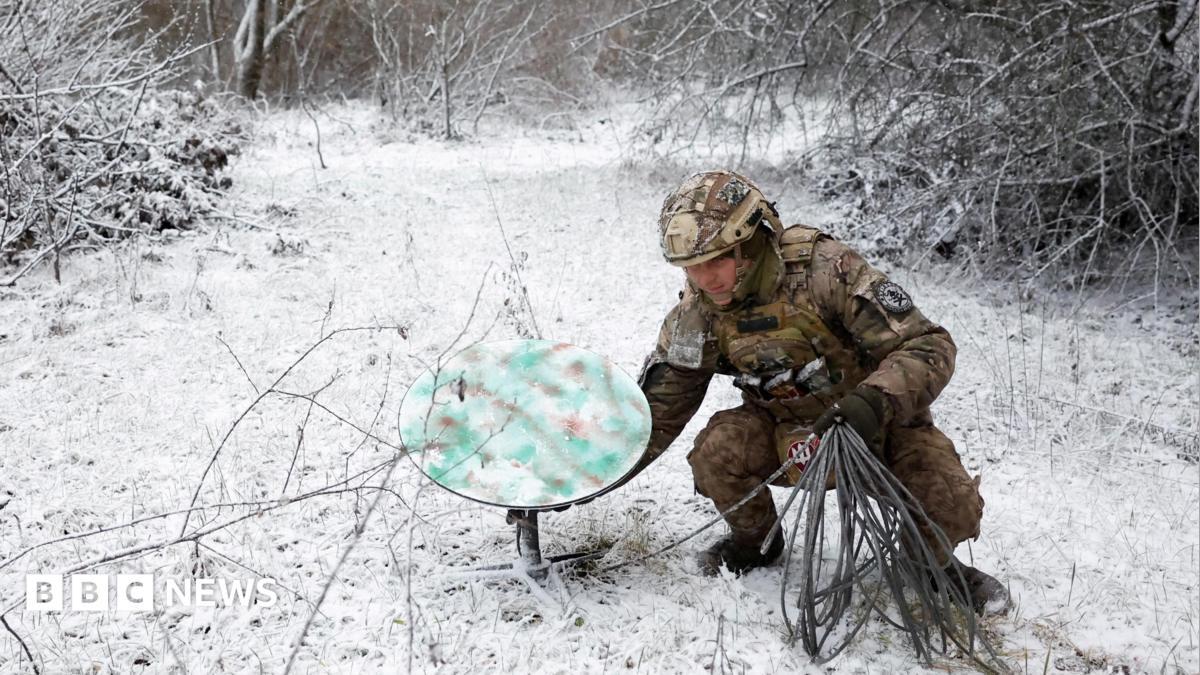
Ukrainian officials reported that Russian forces were mounting SpaceX Starlink terminals on attack drones to bypass Ukrainian electronic jamming and extend strike range. Kyiv alerted SpaceX, and the company disabled unauthorized Russian access to its Starlink system. SpaceX and Elon Musk said the company does not sell Starlink to Russia and moved quickly to stop the unauthorized use, with Musk adding 'Let us know if more needs to be done.'
“SpaceX has disabled unauthorized Russian access to its Starlink satellite system after Ukrainian officials alerted the company to the unlawful use of Starlink by Russian forces, CEO Elon Musk said.”
Kyiv is also implementing technical controls — a government 'whitelist' and registration process — to ensure only approved terminals operate inside Ukraine. The Institute for the Study of War warned that Starlink-equipped drones could reach roughly 500 km, a range that could put most of Ukraine and parts of neighboring countries in reach.
Reports on Starlink drones
Euronews reports Ukrainian authorities collected evidence of "hundreds" of such attacks and cites ISW's estimate that Starlink-equipped drones could reach about 500 km, potentially putting much of Ukraine and neighboring territories in range. The New York Post reports Kyiv saying Russian drones used Starlink to extend the range of BM-35 strike drones for mid-range attacks, prompting Defence Minister Mykhailo Fedorov to seek technical fixes. The Times of India and Elon Musk's public posts focus less on technical range and more on the operational step SpaceX took to block access.
Starlink access and responses
SpaceX and Elon Musk publicly said the company does not sell Starlink to Russia and that it acted to block unauthorized Russian use. Musk said the company moved quickly to stop what it called unauthorized Russian use and later indicated the measures appeared to have worked, offering further help if needed. The New York Post described the action as a response to Ukrainian alerts and quoted Musk and officials about disabling access.
“SpaceX and Elon Musk say the company does not sell Starlink to Russia and moved quickly to stop ‘unauthorized’ Russian use; Musk posted that SpaceX’s actions appear to have worked and offered further help if needed.”
The Times of India highlighted Musk's direct offer to do more via his tweet. Euronews reported SpaceX's denial of sales to Russia and its readiness to assist Kyiv.
Ukraine SpaceX security measures
Kyiv is coordinating with SpaceX to prevent misuse of satellite internet terminals. Defence Minister Mykhailo Fedorov said Ukraine is working with SpaceX to geo-fence terminals so they only operate within Ukrainian territory. He said the government will require users to register and verify terminals, and that unverified units will be disabled.
Euronews reports that Ukraine is implementing a government whitelist and has acquired over 50,000 Starlink terminals. The New York Post highlights Fedorov's direct contact with SpaceX following reports of misuse.

Starlink disablement coverage
Key uncertainties and differing focuses remain in the reporting: Euronews presents the broadest operational claims and potential regional reach (reports of 'hundreds' of attacks and ISW suggesting ~500 km), the New York Post situates the disablement as a response prompted by Ukrainian alerts and highlights geo-fencing efforts, and the Times of India foregrounds Musk's public offer and brief confirmation. The CNN snippet provided here contains only a note that 'CNN's Ivana Kottasová contributed reporting,' so the exact CNN framing and any additional details are unclear from the supplied text. Taken together, the sources agree that SpaceX disabled unauthorized Russian Starlink access and that Kyiv and SpaceX are coordinating countermeasures, but they differ on the depth of technical detail and the aspects they emphasize.
“Kyiv collecting evidence of ‘hundreds’ of such attacks and the think tank ISW estimating Starlink-equipped drones could reach about 500 km, putting most of Ukraine and parts of neighboring countries in range.”