Technology and Science31 January, 20263 min read
SpaceX Seeks FCC Approval to Launch One Million Orbital AI Supercomputers
This article is an automated aggregation of coverage from news outlets. Our editorials offer in-depth analysis curated by the NewsCord team.
SpaceX filed with the FCC seeking approval for up to one million orbital data-center satellites Proposed satellites would operate between 500 and 2,000 kilometers in low Earth orbit
8 outlets told this the same way.
SpaceX orbital AI constellation
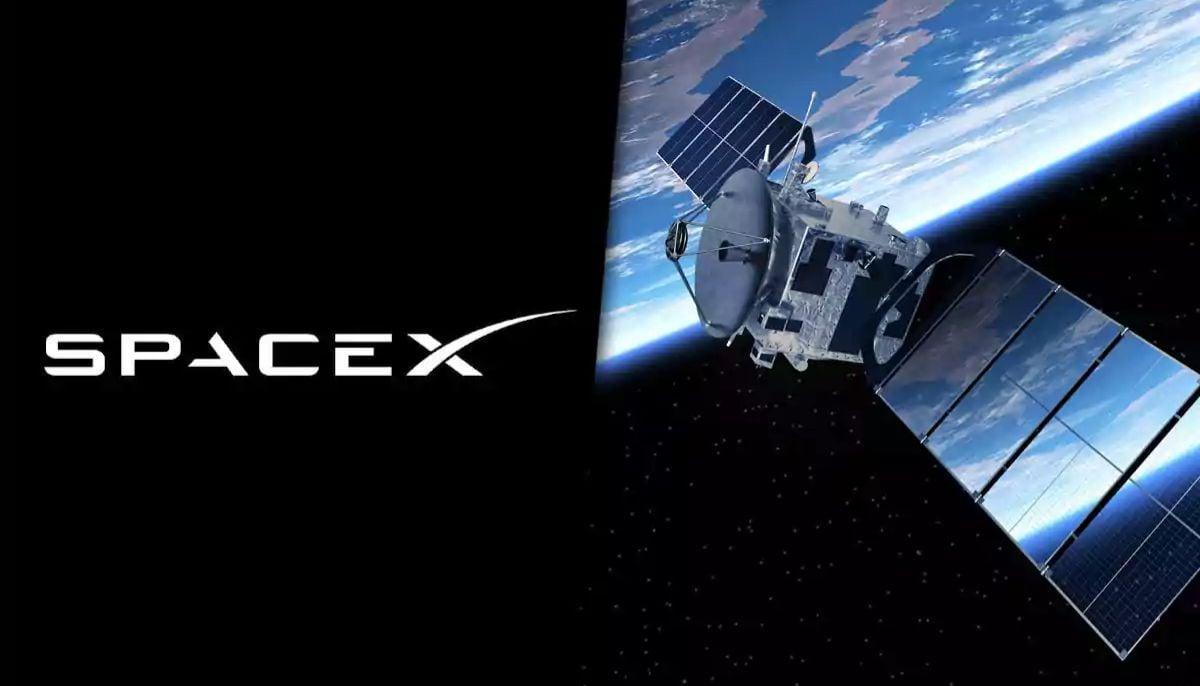
SpaceX has filed with the U.S. Federal Communications Commission for permission to deploy an Orbital Data Centre constellation of up to one million solar-powered satellites intended to act as in-orbit supercomputers to run large AI models and serve billions of users.
“SpaceX has asked the U.S. FCC for permission to deploy an ‘Orbital Data Centre’ constellation of up to one million satellites designed to act as solar‑powered, in‑orbit supercomputers.”
Reporting across outlets emphasizes the scale and ambition of the proposal.

India Today reports the filing asks to deploy an 'Orbital Data Centre' constellation of up to one million satellites to process large AI workloads.
The BBC summarizes the application as a plan for as many as one million solar-powered orbital data centre satellites.
SpaceNews frames the filing as a proposed constellation to provide large-scale AI compute in space while noting the application lacks many technical specifics.
These sources portray the proposal as a dramatic expansion beyond SpaceX's existing Starlink fleet and as primarily motivated by surging AI compute demand.
Starlink-inspired satellite plan
The filing outlines technical concepts that draw on Starlink experience, including layered low-to-mid Earth orbits (roughly 500–2,000 km), optical inter-satellite laser links for high-speed communications, and integration with Starlink relays for ground connectivity. Notebookcheck reports the satellites would operate in fairly crowded low- to mid-Earth altitudes (about 500–2,000 km) and use optical inter-satellite links similar to Starlink.
India Today and The News International describe petabit-scale laser links and Starlink integration to move large AI workloads with low latency. SpaceNews notes the plan would use largely unused altitudes across inclinations, including sun-synchronous orbits, and that Ka-band would be used mainly as a backup telemetry and command link.
Space-based AI servers
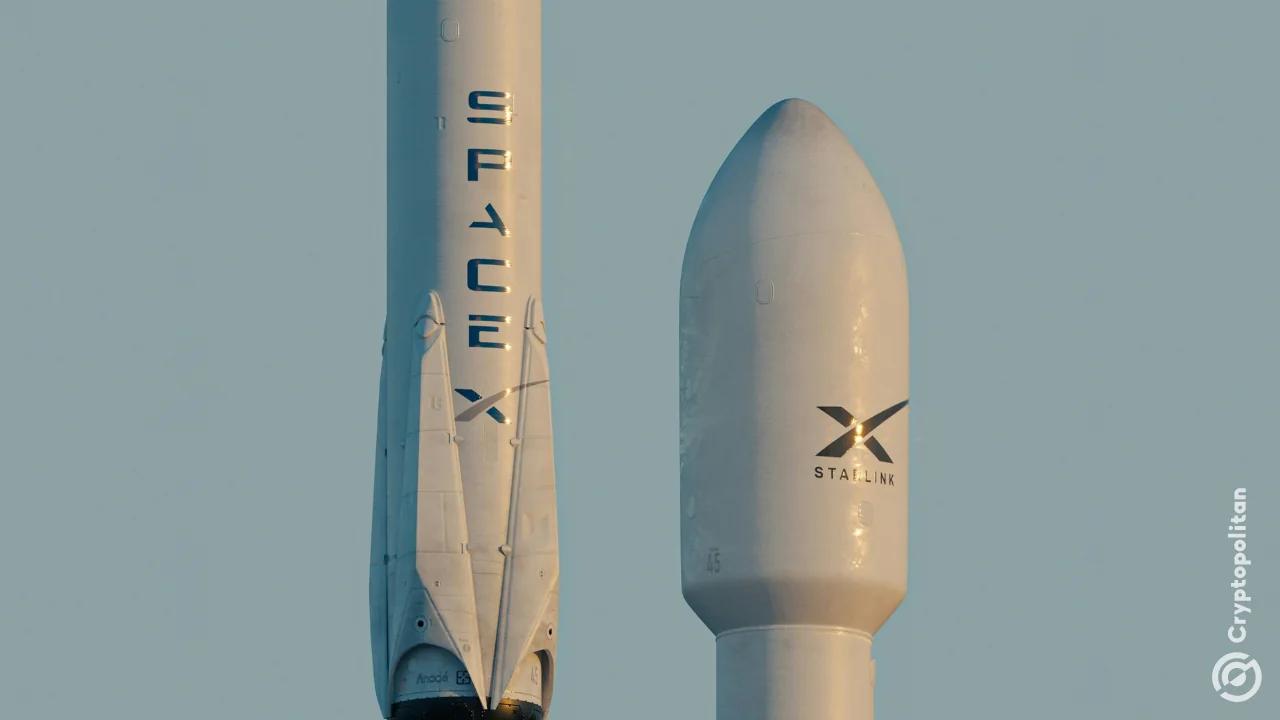
SpaceX argues orbiting servers would escape terrestrial limits on power and cooling by offering near-constant solar energy and natural radiative cooling to run dense AI hardware. India Today and The News International relay those claims directly, with India Today noting the filing 'argues orbit offers near-constant solar power and natural radiative cooling,' and The News International reporting Musk says such systems could be 'far cheaper within a few years.'
“SpaceX argues orbit offers near‑constant solar power and natural radiative cooling, avoiding Earth data‑centre limits (power grids, water for cooling, land), and could deliver high power density (SpaceX cites figures like ~100 kW per tonne).”
The filing and commentary have prompted coverage about the industrial scale required, with India Today citing Musk's tweet about building '100 GW per year of such satellites' and outlets noting social-media speculation about factories to ramp AI hardware production. SpaceNews and the BBC place those claims in an economic and operational context, pointing out launch, manufacturing, regulatory and maintenance challenges that complicate SpaceX's cost and timeline assertions.
Orbital safety and regulation
The filing also raises safety, regulatory and orbital-management concerns that outlets highlight with differing emphases. Multiple sources warn about congestion and debris: BBC cites 'concerns about space congestion, debris and collision risk', Notebookcheck says the orbits are 'fairly crowded', and The News International reports experts' worry about increased traffic and debris. SpaceNews highlights a regulatory wrinkle: SpaceX asked the FCC to waive standard deployment milestones, arguing Ka-band operations are non-interfering.
Notebookcheck and SpaceNews additionally flag a recent anomaly (satellite 35956) that reentered after flying uncontrolled, which some outlets use to underline operational risk. Elon Musk's public comments, reported by The News International and BBC, downplay collision risk by saying satellites would be widely spaced, creating a contrast between company assurances and outside expert concern.
