Europe03 February, 20263 min read
Spain Announces Plan to Ban Social Media for Under-16s
Spain plans to ban social media access for children under 16. Spain will require platforms to implement effective age-verification systems.

44 outlets told this the same way.
Outlets did split on Marco Rubio Urges Europe To Awaken From Slumber In Athens Speech →
Spain social media proposal
Spain's prime minister, Pedro Sánchez, announced at the World Governments Summit in Dubai that the government will push to ban children under 16 from accessing social media and will require platforms to implement stronger age-verification and other protective measures.
“Spain will move to ban under‑16s from social media and require platforms to use effective age‑verification systems, Prime Minister Pedro Sánchez said on Feb. 3 at a Dubai summit.”
Le Monde reported that 'Spain will move to ban under-16s from social media and require platforms to use effective age-verification systems,' Sánchez said on Feb. 3 at a Dubai summit.
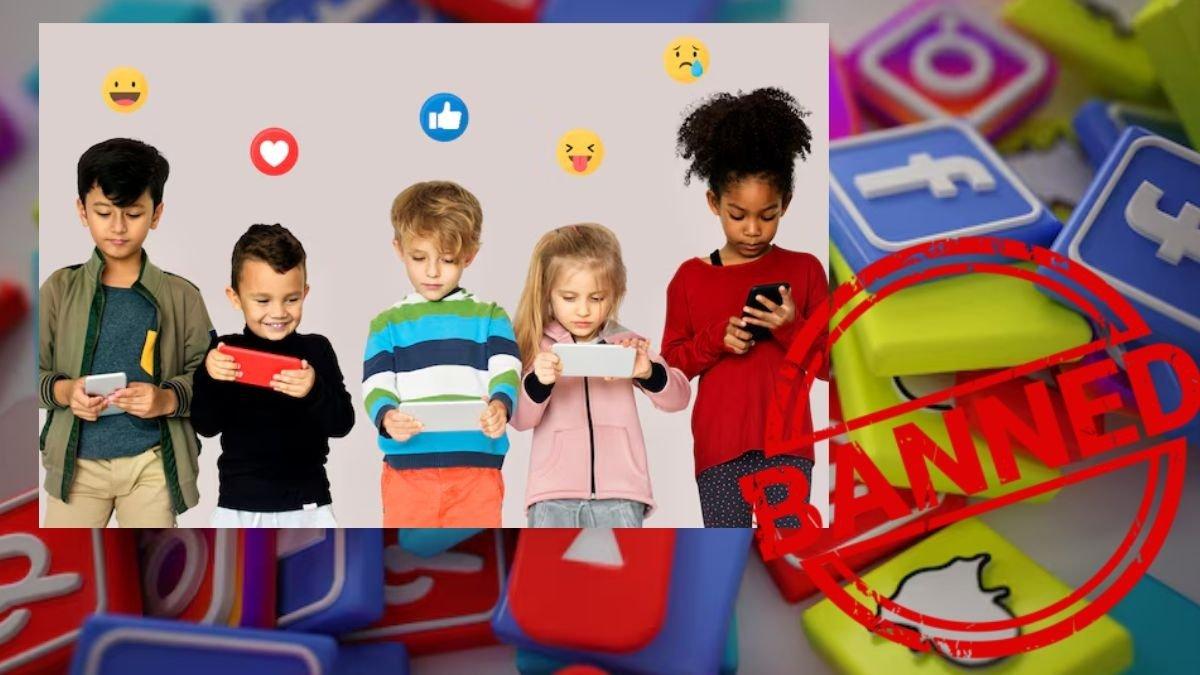
ABC News noted the government wants 'real age-verification systems, not just self-declared checkboxes.'
West Asian reporting captured Sánchez's framing of the change as a child-protection issue.
Island.lk quoted him as saying he wanted to protect children from what he called the 'digital Wild West' of addiction, abuse, pornography, manipulation and violence.
Roya News reported his comment that 'Our children are not adequately protected.'
Spain's platform reforms
Sánchez outlined a broader package of legal changes alongside the age limit. Proposals would hold platform executives accountable for illegal content and criminalize algorithmic manipulation. The package would also create tools to track hate and polarization on networks.
Breitbart reported the government would develop a 'hate and polarization footprint' to measure platforms' role in division. It quoted Sánchez saying, 'Spreading hate must come at a cost.'

CNN and other outlets said Madrid would make 'algorithmic manipulation and amplification of illegal content' a new criminal offense. Politico and other reports repeated plans to make executives legally accountable and to replace checkbox age-checks with 'real' verification requirements.
Youth account restrictions overview
Madrid’s move arrives amid several national experiments and fast‑moving debates across Europe and beyond. Australia implemented an under‑16 barrier that led platforms to deactivate millions of teen accounts. France and Denmark are pursuing under‑15 limits or related restrictions.
“Reddit is legally challenging Australia’s law in the High Court.”
The UK is consulting on similar steps. Cyprus Mail summarized the Australian outcome, saying regulators reported platforms deactivated nearly 5 million teen accounts shortly after the ban took effect.
Island.lk and other reports noted legal pushback, reporting that Reddit is legally challenging Australia’s law in the High Court. Politico and ITVX placed Spain’s plan in the EU context, noting coordination with other countries and EU law enforcement actions.
Reactions to teen social-media ban
Responses to the proposal are mixed and highlight practical and political obstacles. Social-media companies warn such bans would be hard to enforce and might isolate vulnerable teens, according to Island.lk. Other reports noted tech opposition and legal challenges, including Reddit's legal action in Australia.
The announcement also provoked a high-profile hostile response from X's owner, Elon Musk, who posted insulting messages aimed at Sánchez, according to The Sun Malaysia. Some outlets warn the trade-offs could be serious, saying an outright ban could cut teens off from supportive online communities (Cryptopolitan). SMH.au cautioned against hasty laws that may not be sustainable.
Spain social media ban
Political and practical uncertainty remains in Spain about a proposed social media ban. Several outlets note Sánchez’s coalition lacks a parliamentary majority and that implementation details are not fully public. Le Monde said his coalition "lacks a parliamentary majority."
“The measure, an amendment to an existing draft bill that previously sought to restrict access to users 16 and older, is due to be approved by the Council of Ministers next week.”
Politico reported the ban would be added as an amendment and sent for ministerial approval next week. Cyprus Mail pointed to strong public support in polls, noting an Ipsos survey showing 82% of Spaniards favor banning children under 14 from social media.
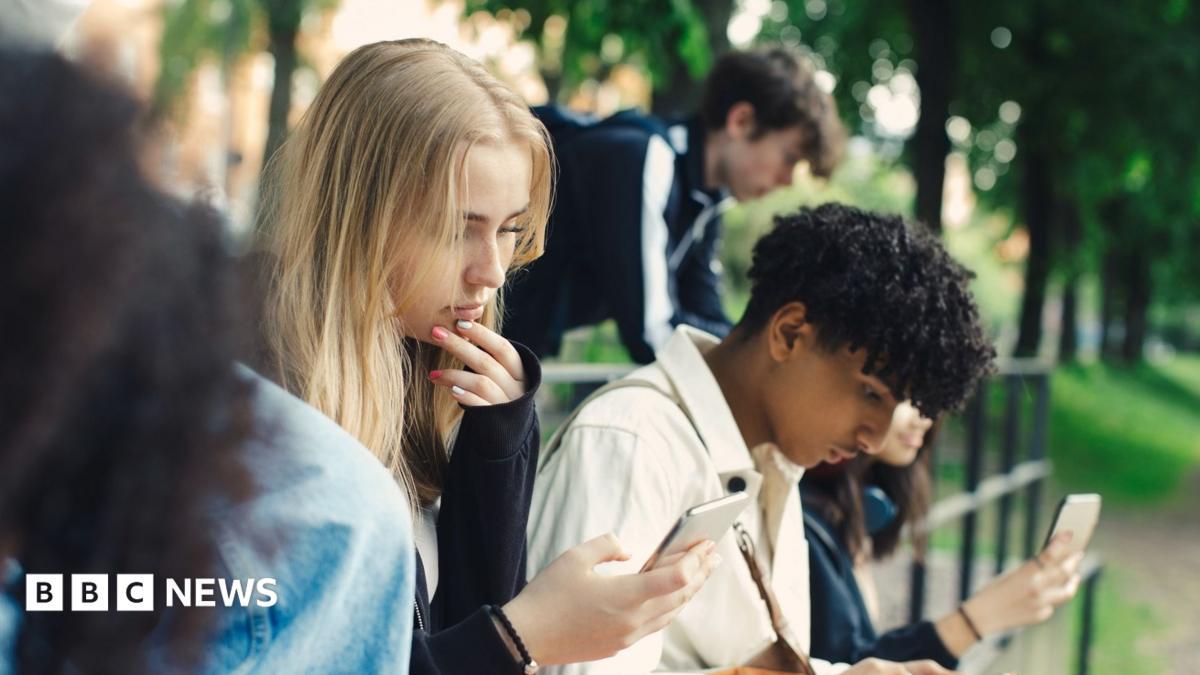
Reporting from Bez Kabli and elciudadano indicates Spain is pursuing cross-border coordination through a "Coalition of the Digitally Willing." Many specifics remain to be settled before enforcement can begin.
