Crime10 December, 20252 min read
Spanish Police Arrest Five Over Kidnapping and Murder of Crypto Investor
Five suspects arrested in Spain for abducting and killing man targeted for cryptocurrency holdings Four additional suspects charged in Denmark in connection with the plot

11 outlets told this the same way.
Crypto-linked abduction and homicide
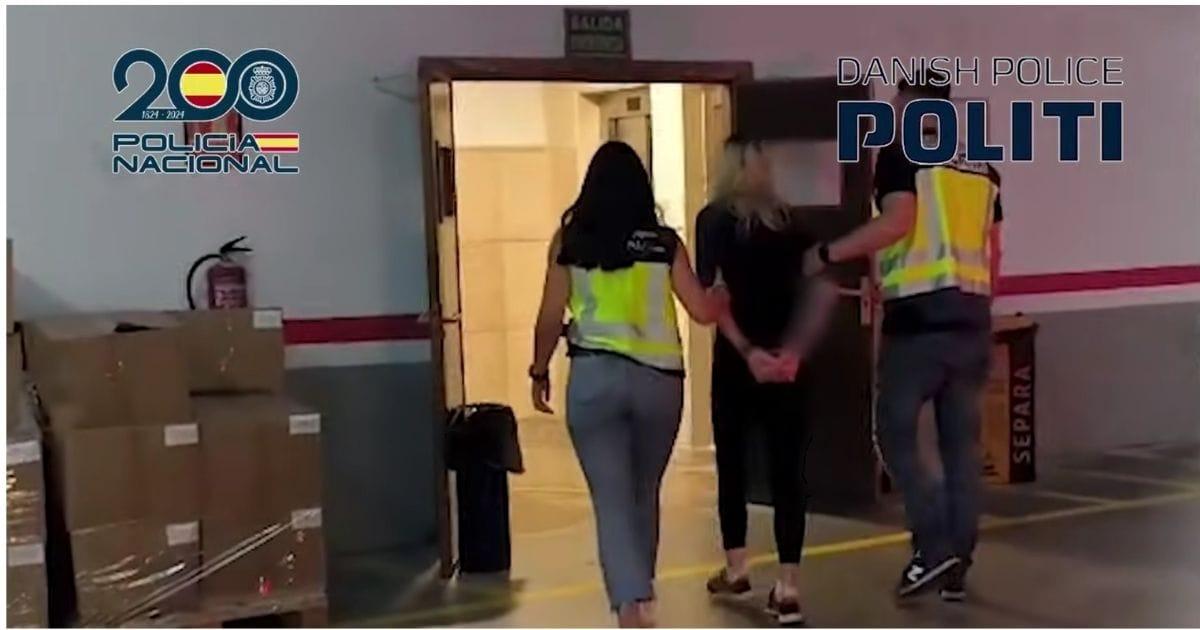
Spanish police say five people have been arrested in connection with an April abduction in Mijas of a couple reportedly targeted for their cryptocurrency holdings. The male partner was later found dead in nearby woodland, and authorities have treated the case as a homicide with international links.
“Attackers shot a man in the leg, forced him and his partner into a nearby house and demanded their cryptocurrency wallet information.”
Investigators report the attackers shot the man in the leg, forced the couple into a house and demanded their cryptocurrency wallet information, while the woman was later released and alerted police. Spanish authorities coordinated with Danish counterparts after links to Scandinavia emerged, and prosecutors in Denmark have charged four additional suspects in the same plot.
Raids and evidence findings
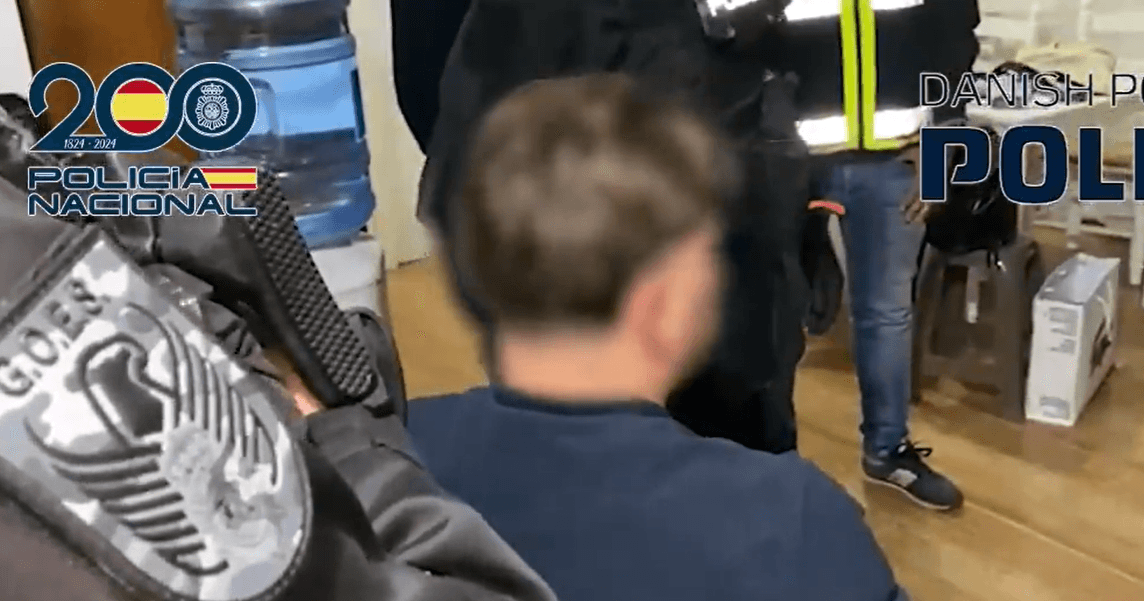
Searches of properties in Málaga and Madrid found weapons and physical evidence that investigators say linked suspects to the house where the victims were held. Police reported recovering two short firearms, one real and one imitation, an extendable baton, and a balaclava. They also found blood-stained trousers and biological samples that matched traces in the holding location.
Multiple electronic devices and documents suggested the group specialised in coercing victims to surrender digital assets. Spanish sources said six properties were searched during raids that followed forensic and surveillance leads.
Cross-border digital-asset crime
Police portray the incident as part of an international, structured ring rather than an isolated local crime. Spanish and Danish authorities coordinated after forensic links and surveillance identified cross-border connections, resulting in arrests in Spain and charges in Denmark, and prosecutors say two Danish suspects were already serving sentences for similar offences. Legal sources and investigators treating the case as transnational say repeat offending against digital-asset targets is increasingly common, prompting multinational enquiries and cooperation.
“Danish prosecutors have charged four more suspects in the same plot — two of whom were already serving sentences for similar crimes — prompting investigators to treat the case as part of a structured international crypto-crime ring.”
Rising attacks on crypto holders
Authorities and security experts warned the case highlights a rising pattern of violent "wrench attacks" and kidnappings aimed at stealing digital assets. One report noted at least 66 physical attacks on crypto holders this year across multiple countries.
Commentators and industry outlets urged people known to hold sizable crypto positions to tighten operational security. They also advised avoiding public disclosure of holdings and relying on cross-border intelligence sharing as investigators pursue transnational suspects.

Media coverage differences
Coverage varies and some outlets included unrelated or non-article material. Mainstream regional papers stick to the crime and evidence, while crypto-focused outlets emphasize the digital-asset motive and broader trend.
“Five people arrested in Spain face charges including kidnapping, murder and attempted theft; four suspects in Denmark are also charged (two already jailed for similar crimes) after a coordinated operation with Danish authorities.”
At least one listed source (Decrypt) provided raw market data and export duplicates instead of a narrative, and another source (International Business Times UK) returned only a copyright notice rather than an article. Readers should note these differences in focus and that some accounts explicitly state caveats, for example authorities in some reports have not confirmed whether any crypto was actually stolen.