Full Analysis Summary
Child rescue on dark web
Content warning: the article describes child sexual abuse.
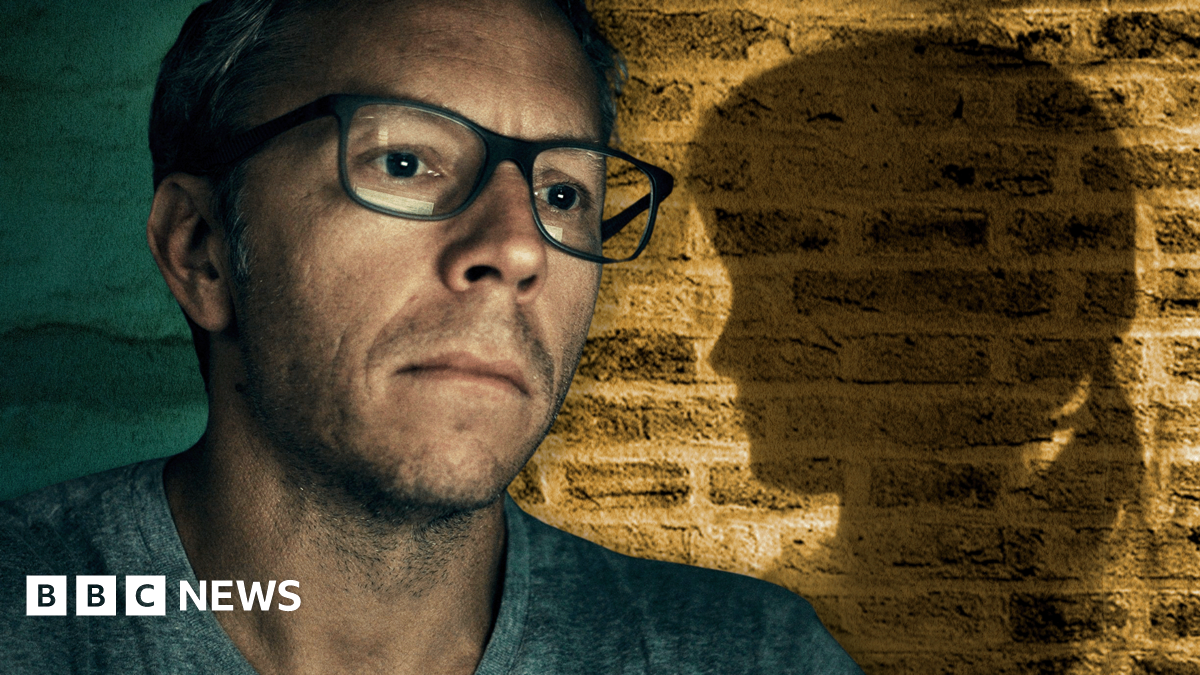
Specialist investigator Greg Squire, who works for US Homeland Security Investigations, helped identify and rescue a 12-year-old girl (referred to as "Lucy") whose sexual-abuse images were being circulated on the dark web.
The BBC World Service spent five years filming Squire and allied investigative units in Portugal, Brazil and Russia.
The filming documented this case among others and showed the international scope of such investigations.
Coverage Differences
Unique Coverage
Only one source (BBC, Western Mainstream) is provided for this assignment. Because no other sources were supplied, I cannot compare narratives, tone, or factual differences across outlets. The paragraphs below therefore draw solely on the BBC account and note this limitation explicitly.
Investigation challenges and techniques
Squire and his team faced technical and deliberate obstacles when abusers cropped and altered images and the dark web's encryption made tracing difficult.
They relied on continuous monitoring of online chatrooms and painstaking analysis of tiny environmental clues within images (light fittings, electrical outlets, bedspreads, toys and other room features) to narrow down possible locations when high-end technical traces were unavailable or obscured.
Coverage Differences
Missed Information
Because only the BBC piece is available, there is no opportunity to show whether alternative sources emphasise different investigative methods, legal challenges, or civil liberties concerns. The BBC emphasises practical, observational techniques rather than purely technical solutions.
Investigation breakthrough and context
A breakthrough came when "a subtle clue on the bedroom wall" was spotted; that detail provided the break that led investigators to identify Lucy’s location and rescue her.
The BBC’s reporting places this case among other international successes filmed over five years, including locating a kidnapped child in Russia and arresting a Brazilian operator of major child-abuse forums, showing both the human impact and cross-border dimensions of the work.
Coverage Differences
Tone
With only BBC coverage available, the narrative tone is investigative and narrative-driven, emphasising a breakthrough moment and international collaboration. No alternate tones (e.g., legal critique, political framing, victim advocacy focus) from other outlets are available for contrast.
Squire on Lucy case
Squire reflects that the Lucy case, carried out early in his career and especially painful because she was the same age as his daughter, helped drive his long-term commitment to this work.
The BBC's reporting emphasises that many successful investigations rely on human vigilance and painstaking observation, not only high-end technology.
Important caveat: no other source material was provided for this task, so the article summarises and quotes only the BBC piece and cannot present corroborating or contrasting reporting.
Coverage Differences
Contradiction (Not Applicable)
No contradictions can be identified because only the BBC article was provided. Any request to compare differing narratives, missing context, or alternative emphases cannot be fulfilled without additional sources.