
Spy chief Joe Kent quits as Iran rift deepens after secret meeting with JD Vance
Key Takeaways
- Kent resigns as spy chief.
- Rift over Iran policy deepens amid his resignation.
- Vance publicly commented on resignation; Kent had privately shared his plans with Vance.
Spy Chief Resignation
Spy chief Joe Kent has resigned from his position amid deepening divisions over Iran policy.
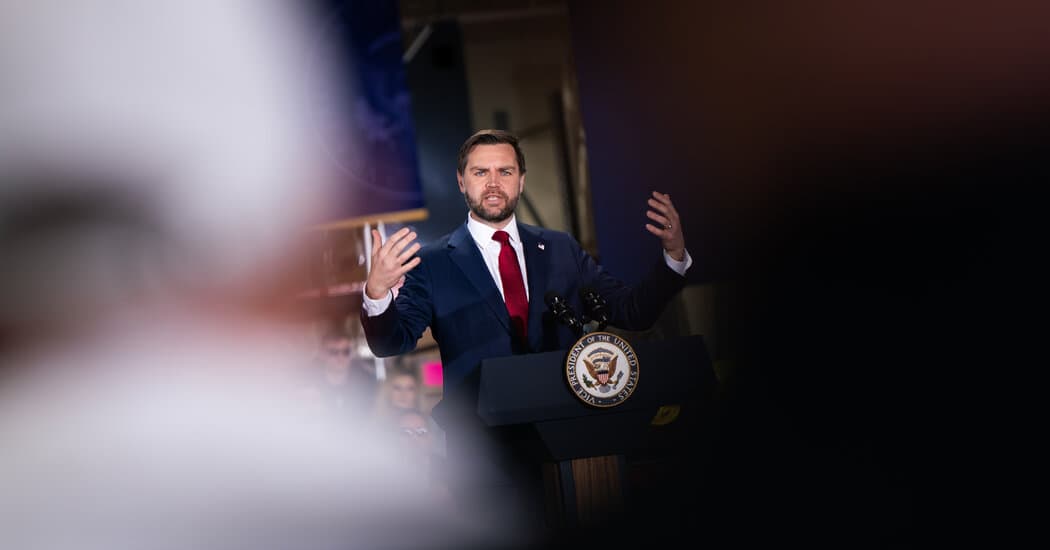
“War in theMiddle East Advertisement Supported by In Michigan, Vice President JD Vance said that “when the president of the United States makes a decision, it’s your job to help make that decision as effective and successful as possible”
The resignation follows a secret meeting with Vice President JD Vance that reportedly exacerbated existing tensions.
Kent's departure reflects fundamental disagreements about Iran's perceived threat level within the administration.
The intelligence chief indicated he cannot work with individuals who don't view Iran as a security threat.
This internal rift has exposed growing fractures in the administration's approach to Middle East policy.
Political Divide Emerges
The political fallout from Kent's resignation has created a public divide within conservative circles.
Marjorie Taylor Greene publicly praised Kent as 'a great American hero' following his resignation.
Candace Owens characterized Kent as a 'patriot' but criticized former President Trump's position on the Iran issue.
House Speaker Mike Johnson reinforced the administration's stance on Iran's nuclear threat.
Johnson emphasized what he described as an immediate threat from Iran obtaining a nuclear weapon.
Vance's Position
Vice President JD Vance has positioned himself as supporting presidential decision-making authority.
“War in theMiddle East Advertisement Supported by In Michigan, Vice President JD Vance said that “when the president of the United States makes a decision, it’s your job to help make that decision as effective and successful as possible”
Vance emphasized that administration officials have an obligation to support presidential decisions.
The vice president indicated officials should make presidential decisions 'as effective and successful as possible.'
This stance appears aimed at maintaining administration cohesion amid policy divisions.
Vance's comments come as the administration grapples with Kent's departure over Iran policy differences.
Policy Disagreements
The secret meeting between Kent and Vance preceded the resignation and raised questions about Iran policy deliberations.
Kent's departure suggests deeper institutional disagreements about Iran's nuclear program.
The incident highlights challenges in maintaining unified foreign policy within the administration.
Particular tensions exist regarding Middle East security concerns and the perceived Iranian threat.
The resignation may signal ongoing difficulties in coordinating national security strategy.
More on Iran

Israel strikes Iran's Pars gas field as Tehran vows revenge
14 sources compared
Trump threatens to blow up South Pars gas field if Iran attacks Qatar again
10 sources compared

UAE Halts Habshan Gas Facility Operations After Debris From Intercepted Missiles
10 sources compared

Iran Threatens Gulf Energy Facilities After Israel Strikes South Pars Gas Field
11 sources compared