
Sri Lanka imposes four-day work week to conserve fuel amid Middle East war
Key Takeaways
- Sri Lanka adopts four-day work week to conserve scarce fuel reserves amid Middle East war.
- Middle East war disrupts energy supplies, raising fuel shortage risks for Sri Lanka.
- Policy underscores regional energy vulnerability due to Gulf disruptions, prompting proactive domestic measures.
Fuel Crisis Response
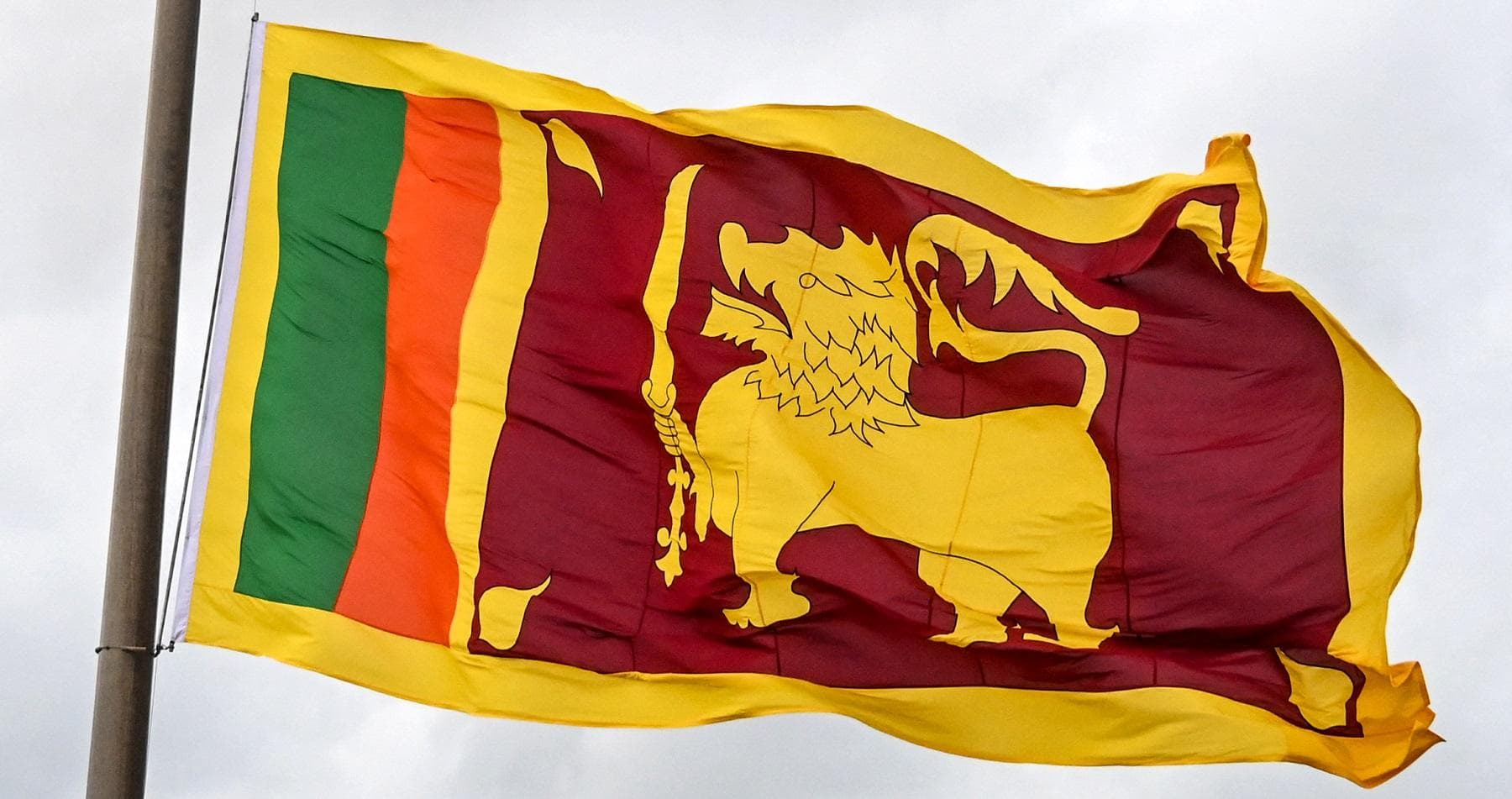
Sri Lanka has implemented a four-day working week with Wednesdays declared as public holidays in response to escalating fuel shortages caused by the ongoing war in West Asia.
“COLOMBO, Sri Lanka- Sri Lanka announced a shorter work week to conserve its scarce fuel reserves as it prepares for a prolonged war in the Middle East, officials said Monday”
The island nation, which normally follows a five-day work week, made this decision as a contingency measure to conserve its dwindling fuel reserves amidst severe energy disruptions.
The announcement came as countries across South Asia face crippling shortages of fuel and LPG gas, with supplies being held up in the Gulf region since the US and Israel began bombing Iran.
This move reflects Sri Lanka's proactive approach to addressing the regional energy crisis that threatens public services and daily life.
Implementation Details
The four-day work week will begin on March 18, 2026, with specific sectors exempted from the new schedule.
Commissioner General of Essential Services Prabath Chandrakeerthi clarified that health services, ports, water supplies, and customs operations will continue to operate normally five days a week.

The measure will apply to schools, universities, and the judiciary, which will now observe Wednesdays as public holidays.
The government is encouraging the private sector to voluntarily adopt the same four-day schedule to maximize fuel conservation efforts across the country.
Regional Impact
Sri Lanka's fuel conservation measures are part of a broader regional crisis affecting multiple South Asian nations dependent on Middle Eastern energy supplies.
“Sri Lanka is introducing a shorter four-day working week to preserve its shrinking fuel and gas reserves, as the Middle East conflict continues to severely disrupt energy supplies in the region”
Countries across South Asia are facing crippling shortages of fuel and LPG gas, which are essential for everything from home cooking to cremating bodies.
Most countries in the region import nearly all their fuel and gas, with many reporting they only have enough supplies to keep basic services running for a few more weeks.
This regional energy crisis has forced governments to implement various emergency measures to conserve dwindling fuel reserves.
Strategic Context
The fuel crisis stems from the strategic closure of the Strait of Hormuz, a critical shipping route that handles approximately 20% of global exports in normal times.
The strait has been effectively shut for two weeks as Iran has blockaded it in retaliation for US and Israeli strikes, creating a severe disruption to energy supplies for South Asian nations.
Pakistan, which relies on 85% of its energy coming through the strait of Hormuz, has already moved schools to remote online teaching and implemented fuel price increases to prevent hoarding.
This geopolitical conflict in the Middle East has directly threatened the energy security of countries thousands of miles away.
Government Response
Sri Lanka's decision to implement the four-day work week was made at a high-level meeting convened by President Anura Kumara Dissanayake, bringing together the full state machinery to develop strategies for ensuring continuity of public services amidst the energy disruption.
“Sri Lanka: 4-Day Work Week Amid Fuel Crisis x Sri Lanka implements a 4-day work week with Wednesdays as public holidays due to potential fuel shortages from Middle East conflict”
The government's approach balances immediate conservation needs with maintaining essential services, recognizing that complete shutdowns would be more damaging than reduced operating hours.
This coordinated response demonstrates Sri Lanka's recognition of the severity of the crisis and its determination to mitigate the impact on its population through systematic rather than ad-hoc measures.
Economic Impact
The expected impact of Sri Lanka's four-day work week extends beyond fuel conservation, potentially affecting economic productivity and daily routines across the country.
While the measure is designed to address immediate energy shortages, it represents a significant shift in normal operations for schools, universities, and government institutions.
Other affected countries in the region have taken different approaches to the crisis, with Bangladesh announcing early Ramadan holidays for universities and implementing scheduled power blackouts to save energy.
These varied responses highlight the different priorities and capacities of nations facing the same fundamental energy security threat, with Sri Lanka opting for a structured reduction in working hours rather than complete service interruptions.
More on Iran

Israel strikes Iran's Pars gas field as Tehran vows revenge
14 sources compared
Trump threatens to blow up South Pars gas field if Iran attacks Qatar again
10 sources compared
UAE Halts Habshan Gas Facility Operations After Debris From Intercepted Missiles
10 sources compared

Iran Threatens Gulf Energy Facilities After Israel Strikes South Pars Gas Field
11 sources compared