Techonology and Science19 February, 20262 min read
Stanford Researchers Create Nasal-Spray 'Universal Vaccine' That Protects Mice Against Colds, Flu, COVID, RSV, Bacterial Infections and Allergies
This article is an automated aggregation of coverage from news outlets. Our editorials offer in-depth analysis curated by the NewsCord team.
Stanford researchers developed a nasal‑spray universal vaccine targeting multiple respiratory illnesses In animal studies, the spray protected against colds, flu, COVID, RSV, bacterial infections, allergies

5 outlets told this the same way.
Preclinical nasal vaccine findings
Stanford researchers, led by Dr. Bali Pulendran, report a preclinical nasal vaccine called GLA-3M-052-LS+OVA that protected mice for months against a range of respiratory threats, including multiple viruses, bacterial lung infections and house dust–mite allergens.
“Researchers at Stanford, led by Dr. Bali Pulendran, report a nasal vaccine that protected mice for months against a range of respiratory threats — multiple viruses, bacterial pneumonia and even house dust–mite allergens.”
The teams behind the study describe the shot as a means to produce broad, durable lung protection in animals by recruiting immune cells into lung tissue.
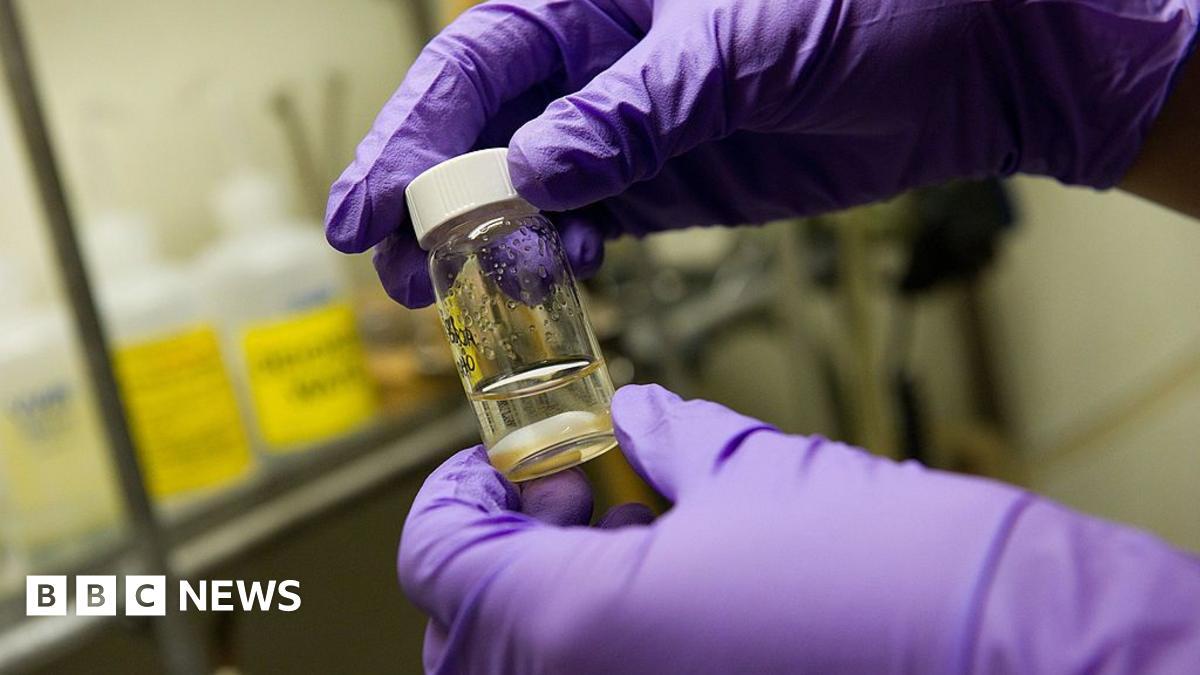
They present these findings as evidence the approach could form the basis of a 'universal' respiratory spray.
The work is described across outlets as a significant step forward in animal models rather than an established human vaccine.
Lung-targeted vaccine approach
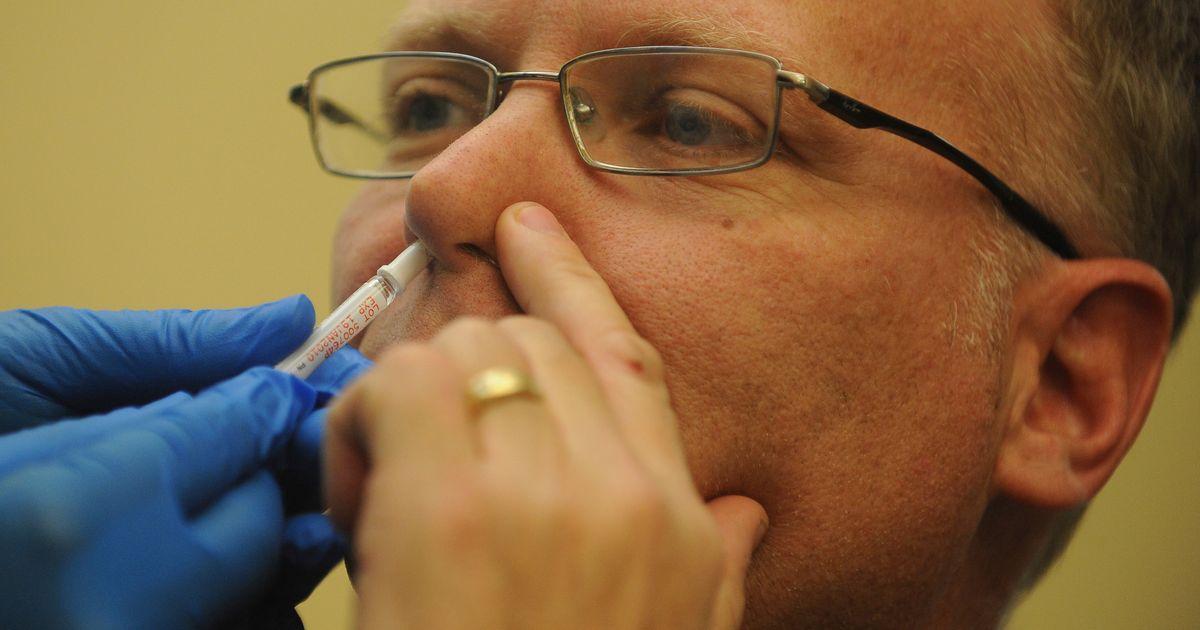
The experimental formulation differs mechanistically from conventional pathogen-based vaccines. Outlets report the shot imitates T-cell signals to directly activate innate immune cells in the lungs and recruits T cells into lung tissue.
The formulation pairs that immunostimulatory component with a harmless antigen (OVA in the experimental name) to draw T cells into the respiratory mucosa. Sources describe this as stimulating several parts of the immune system in the lungs rather than relying on antibody responses to a single pathogen component.
Mouse protection claims
Coverage across outlets reports a wide scope of protection in mice: the studies reportedly showed months-long protection from multiple respiratory viruses, including SARS‑CoV‑2 and other coronaviruses, several bacterial lung pathogens, and even house dust‑mite allergy triggers in animal models.
“The preclinical study found the vaccine produced broad lung protection for several months in mice and protected them from SARS‑CoV‑2 and other coronaviruses, Staphylococcus infections, Acinetobacter baumannii and house dust mite allergy triggers.”
Different reports vary in which pathogens they single out, but they concur on broad protection in mice rather than demonstrated efficacy in humans.
Respiratory vaccine timeline
Planned human safety trials will be followed by larger studies.
Cambridge News quotes Dr. Pulendran estimating that, with sufficient funding, the vaccine could be available in five to seven years.

The Sun echoed that five-to-seven-year estimate.
Sky News says the approach 'might replace multiple winter respiratory jabs in the coming years' if translated to humans.
All outlets stress the work remains at an early, animal stage.
Vaccine study coverage
All three outlets repeat experts' caution that the results are preliminary and limited to mice. They note the need for controlled human studies and comparisons with existing vaccines before any claim of a universal respiratory vaccine can be validated. The combined coverage highlights scientific promise while consistently flagging uncertainty about translation to people and the requirement for human safety and efficacy data.
“Outside experts caution the results are promising but preliminary: the data so far are in mice and need confirmation in controlled human studies and comparisons with existing vaccines before any claims of a ‘universal’ respiratory vaccine can be validated.”