Britain16 February, 20263 min read
Starmer U-Turn: Abandons Plan to Cancel 30 Local Council Elections in May
Government reversed plans to postpone 30 local council elections in England. Reversal followed a High Court legal challenge by Reform UK and Nigel Farage.
17 outlets told this the same way.
Outlets did split on UK Police Charge Teddy Young With Spying For Foreign Power, Royal Navy Member →
May 2026 local elections
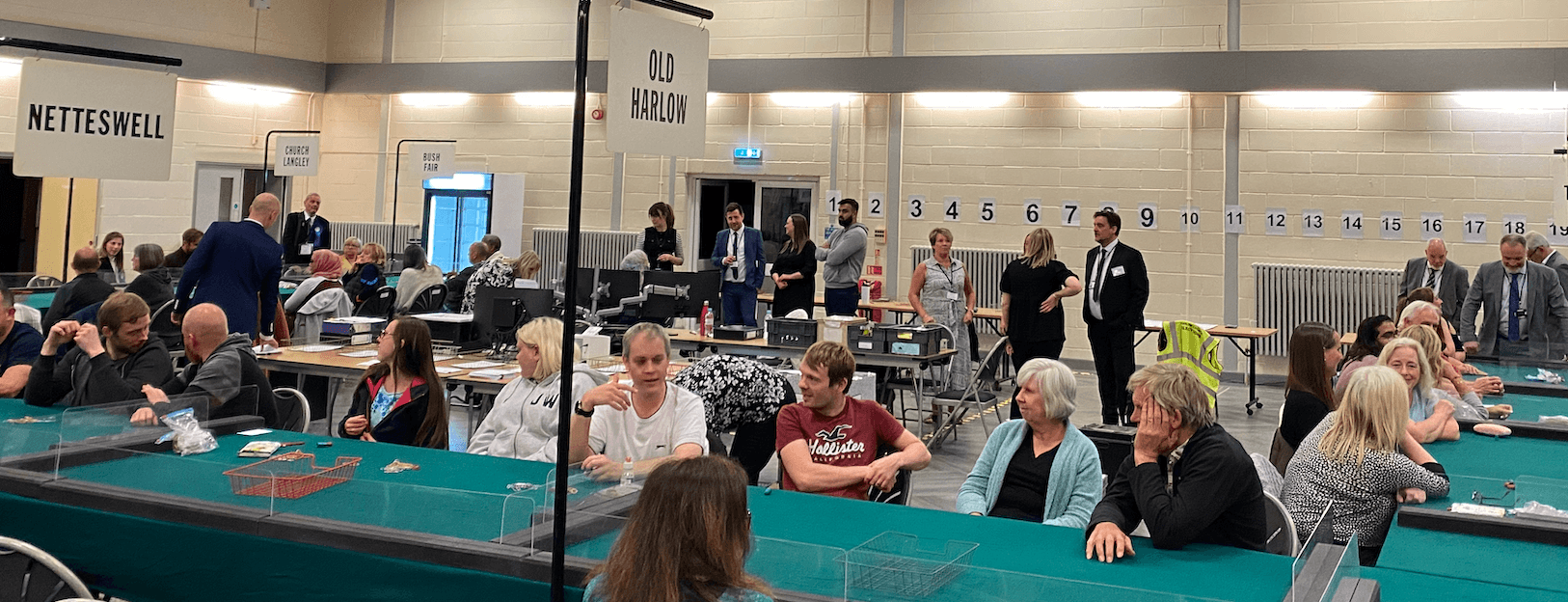
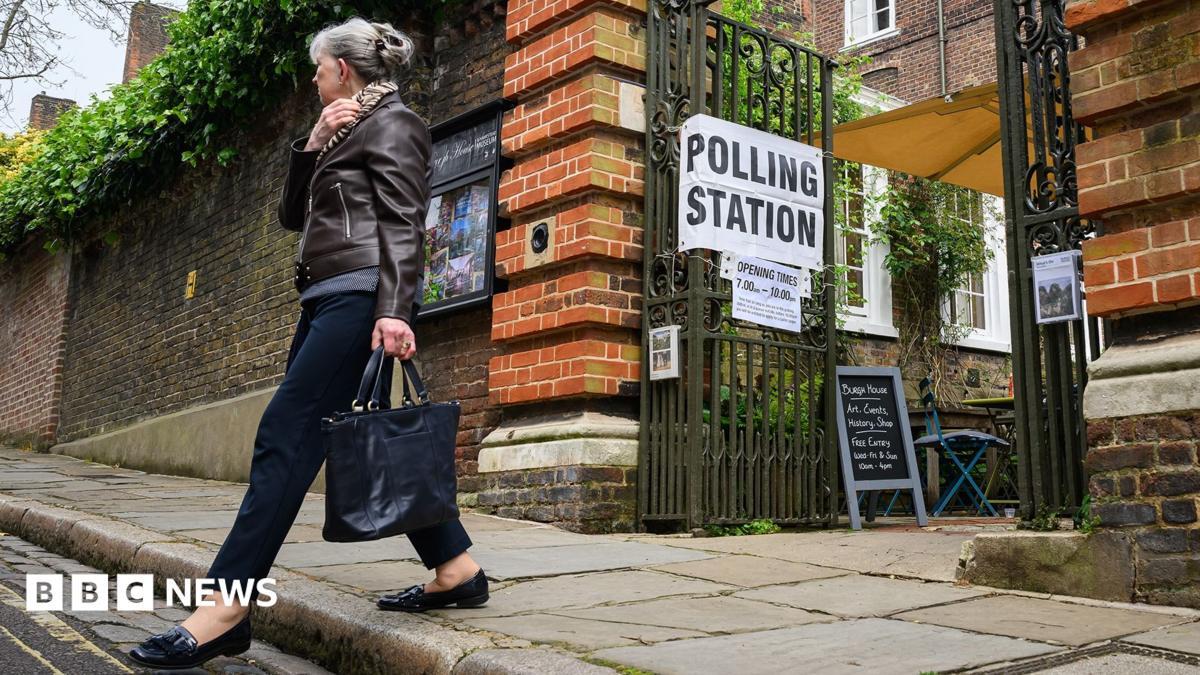
Keir Starmer’s government abandoned plans to postpone local elections in 30 English councils and confirmed those polls will go ahead on 7 May 2026 after legal challenge and fresh legal advice. ITVX reports the government 'reversed an earlier decision to postpone elections in 30 local authorities and confirmed those polls will now take place on 7 May 2026'. Sky News says a court has ruled in favour of Reform UK and Nigel Farage and that ruling 'prevents the administration from delaying the elections, meaning they must go ahead as scheduled'.
“The government has reversed an earlier decision to postpone elections in 30 local authorities and confirmed those polls will now take place on 7 May 2026.”
The Telegraph frames the outcome as a U‑turn, saying 'Sir Keir Starmer’s government has U‑turned on plans to postpone local elections in 30 councils and will allow those votes to go ahead in May as originally scheduled'. Politicshome states the decision followed a legal challenge from Nigel Farage’s Reform UK and that ministers told MPs the contests will take place in May 2026. The sources differ in how they refer to Keir Starmer, with one article using 'Prime Minister Keir Starmer' and the Telegraph using 'Sir Keir Starmer'.
U-turn on postponements
Ministry officials and the Local Government Secretary said the reversal followed fresh legal advice and aimed to give councils certainty. The government agreed to meet Reform UK's legal costs. ITVX reports the U-turn 'follows fresh legal advice' after Reform UK and Nigel Farage successfully challenged the postponements in court and were awarded legal costs.
The Telegraph says the reversal came after 'recent legal advice' found the postponements unlawful. GB News reports ministers were warned the delay 'might be unlawful' and notes the government agreed to pay Reform UK's costs. LabourList records that Steve Reed withdrew the postponement and will seek an agreed court order with Reform UK.
Reactions to government U‑turn
The U‑turn prompted sharp political reactions across the spectrum. ITVX records that Conservative leader Kemi Badenoch criticised the government for repeated U‑turns and called it “predictable chaos.” Express & Star reports Badenoch labelled it “predictable chaos” from a “useless Government.”
“Kemi Badenoch criticised the government for repeated U‑turns and ‘predictable chaos.’”
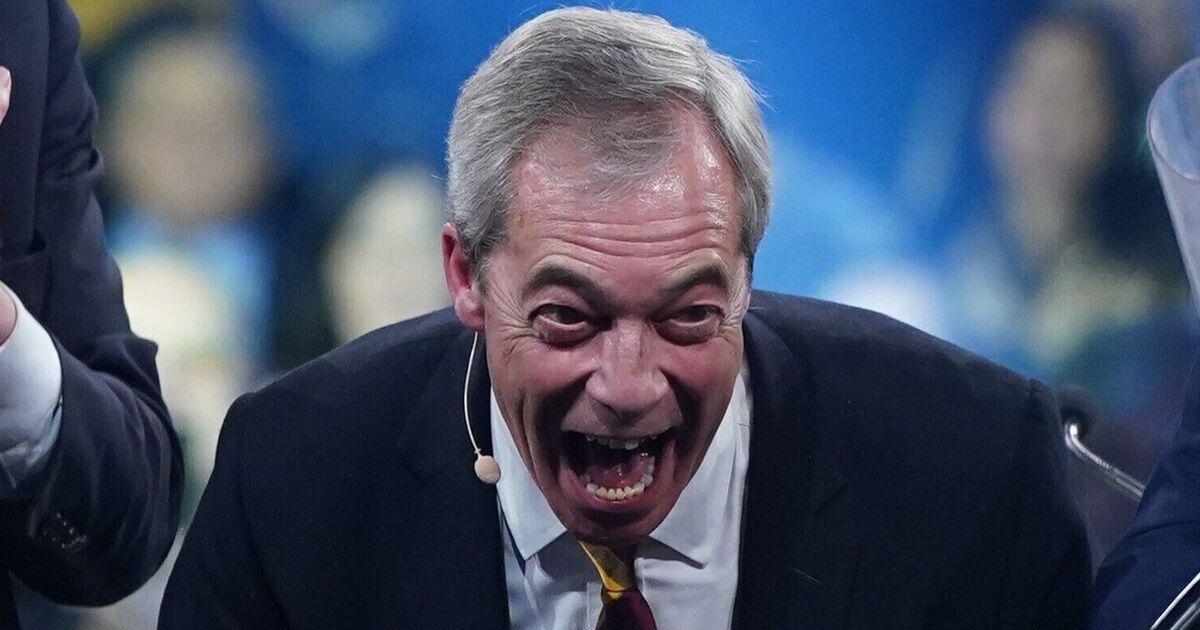
Liberal Democrat leader Sir Ed Davey described the decision as a “humiliating U‑turn.” SSBCrack News says Nigel Farage “called it a victory for democracy” after publicising the change. Reform UK characterised the reversal as a victory.
GB News reports he hailed the decision as a “victory for democracy.” The Telegraph notes opponents demanded accountability and some called for ministerial resignations.
Election U-turn consequences
Councils warned of logistical pressure to organise polling at short notice. ITVX records Cllr Richard Wright warning the flip‑flopping will bewilder council staff and create an 'unnecessary race against time' to organise polling. The Telegraph and local reports say council leaders warned the U-turn leaves authorities racing to organise polling stations, staff and logistics.
Reporting varies on the extra funds pledged to councils, with different outlets giving different figures. On funding, ITVX says Local Government Secretary Steve Reed pledged '£63 million' for councils undergoing reorganisation. GB News reports ministers announced 'up to £63 million in additional capacity funding... on top of £7.6 million already provided'.
Express & Star gives a slightly different figure, saying the government will make '£62m available'. The Telegraph also notes that elections for four new mayoralties will still be postponed until 2028.
Media interpretations of reversal
Beyond the immediate reversal, outlets differ in how they interpret the episode’s implications for democratic norms and future law. The Telegraph reports campaigners have urged legal reform "to stop ministers cancelling elections without parliamentary approval," framing the episode as a prompt for constitutional change. LabourList and Politicshome focus on the political contest and accusations that the postponement would have disenfranchised millions.
“The Ministry said certainty is crucial and all local elections will now go ahead in May 2026. Farage called the move a victory, accusing Labour and the Conservatives of trying to prevent 4.6 million people from voting.”
LabourList notes the Ministry said certainty is crucial, and Politicshome records Farage’s accusation that ministers tried to block 4.6 million people from voting. GB News and SSBCrack News foreground the reversal as a win for voters and Reform UK, emphasising it as a ‘victory for democracy.’ These divergent emphases show sources differ between treating the story as an operational mistake, a legal defeat, a political humiliation, or a democratic vindication.