Entertainment02 January, 20262 min read
Stephen Schwartz Pulls Out of Kennedy Center Gala After Center Adds Trump's Name
This article is an automated aggregation of coverage from news outlets. Our editorials offer in-depth analysis curated by the NewsCord team.
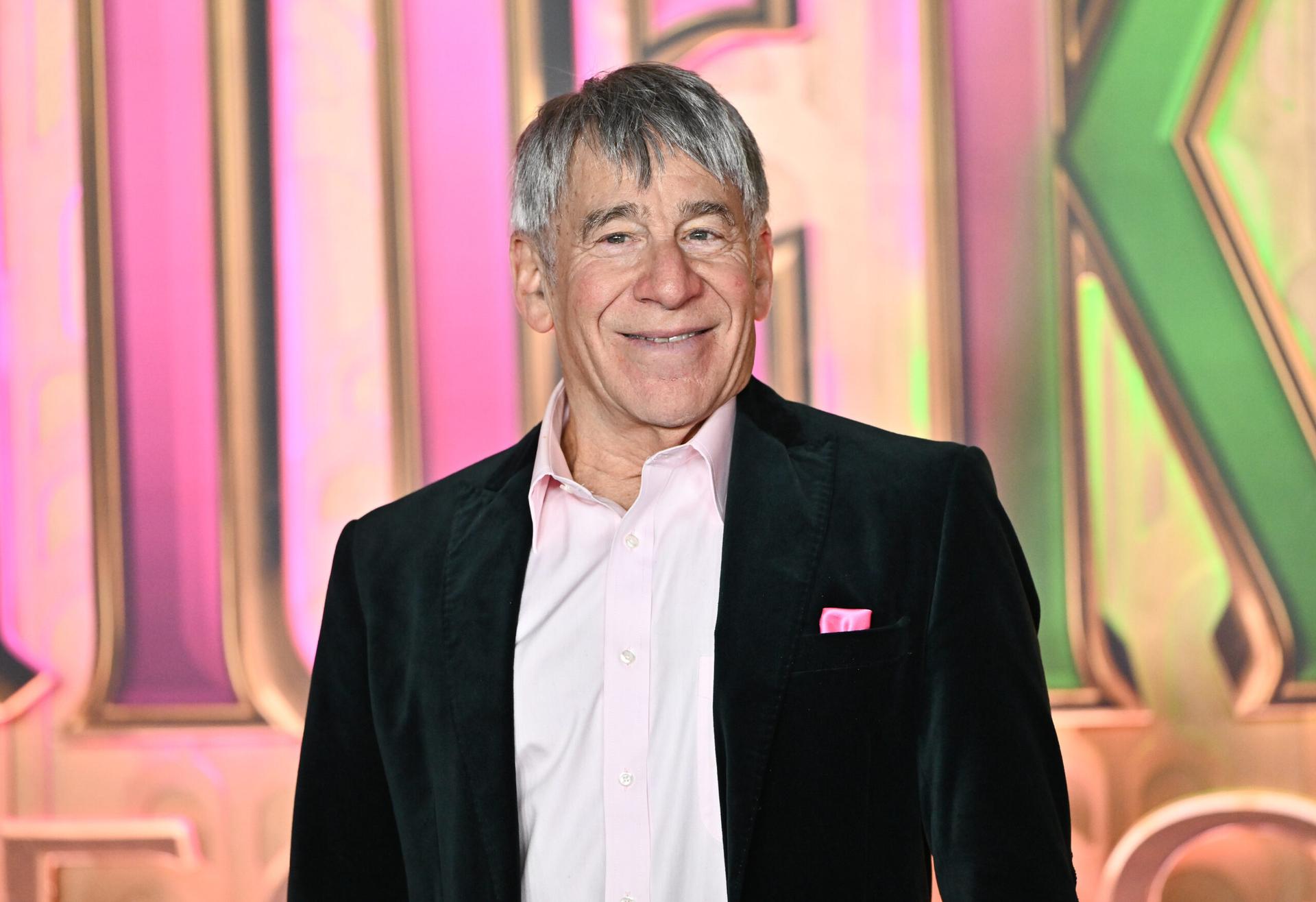
Stephen Schwartz canceled hosting the Washington National Opera Gala at the Kennedy Center. He pulled out in protest after the Kennedy Center added President Donald Trump's name.

8 outlets told this the same way.
Outlets did split on RJ Mitte Dies At 34 In Brownsville, Texas, Representatives Say Suicide →
Schwartz withdraws from gala
Oscar-winning composer-lyricist Stephen Schwartz announced he will not appear at the Kennedy Center’s Washington National Opera Gala scheduled for May 16, saying the institution 'no longer represents the apolitical place for free artistic expression' and that he would not set foot in it. Multiple outlets report Schwartz’s withdrawal as a direct response to the Center’s takeover by allies of former President Donald Trump and the addition of his name to the building, though the Kennedy Center’s public-relations vice president told at least one outlet that Schwartz was never confirmed or under contract. Sources present the decision as part of a broader artist backlash.
“Oscar-winning composer-lyricist Stephen Schwartz said he will not appear at the Kennedy Center...the center ‘no longer represents the apolitical place for free artistic expression’ and said he would not take part in a Washington National Opera gala slated for May 16; the Kennedy Center’s public-relations VP countered that Schwartz was never confirmed or under contract.”
Kennedy Center renaming dispute
The withdrawal follows rapid changes at the Kennedy Center.
Trump allies reshaped its board, appointed him chair, and had his name added to the building.

Multiple outlets say these actions raise legal concerns because federal law requires an act of Congress to rename the national cultural center.
Mediaite and other outlets describe immediate political pushback, including a lawsuit by Rep. Joyce Beatty alleging she was blocked from weighing in on the decision.
Sources frame the renaming as a governance and legal flashpoint that prompted artists and lawmakers to respond.
Cancellations and resignations
The renaming and board overhaul sparked a cascade of cancellations and resignations. Sources list many performers and organizations that pulled out or resigned. Billboard catalogues a broad roster including Issa Rae, Rhiannon Giddens, the Hamilton team, Ben Folds, Renée Fleming, Wayne Tucker's Bad Mothas, jazz groups, and dance troupes.
“A news piece reported the comment, ‘Boycotting the Arts to show you support the Arts is a form of derangement syndrome,’ and was later updated to include a statement from a Kennedy Center spokesperson.”
Forbes names Issa Rae, the producers of Hamilton, The Cookers, Doug Varone and Dancers, Kristy Lee, and former board member Shonda Rhimes. The Independent cites Issa Rae, Peter Wolf, Lin-Manuel Miranda, and jazz group The Cookers. Mediaite highlights that the fallout included canceled Christmas Eve and New Year's Eve concerts and scuttled high-profile performances such as Hamilton and Rhiannon Giddens' concert.
Kennedy Center dispute
Kennedy Center leadership has pushed back. Interim executive director Richard Grenell blamed prior far-left leadership for current bookings and described the wave of pullouts dismissively, with Forbes and Rolling Stone quoting him saying boycotting the arts is 'a form of derangement syndrome.'
Billboard reports Grenell threatened a $1 million lawsuit against drummer Chuck Redd over a canceled show. Several outlets say Grenell accused legacy media and prior leadership of encouraging cancellations, accusations some outlets say were made 'without evidence.'

Media coverage emphasis
Coverage tone and emphasis differ by outlet type.
“Earlier this month the Kennedy Center board voted to rename the center after former President Donald Trump, provoking outrage...Rep. Joyce Beatty (D‑OH) sued the Kennedy Center president and board members, alleging she was blocked from weighing in on the decision.”
 Mediaite
Western mainstream sources such as Billboard, Forbes, The Independent, and Rolling Stone tend to combine legal framing, namedropping of high-profile pullouts, and direct quotes from both Schwartz and Kennedy Center leadership.
Western alternative outlet Mediaite foregrounds political outrage, the speed of the name change, the Rep. Beatty lawsuit, and event-level impacts like canceled holiday concerts.
Other outlets, such as Bharatbarta, echo the protest framing and Schwartz’s personal refusal.
Readers should note these differences in focus—legal questions, leadership rhetoric, roster breadth, or protest events—when interpreting the story.