Full Analysis Summary
Storm Chandra UK impacts
Storm Chandra swept across the UK on 26–27 January.
It brought heavy rain, strong winds and widespread travel disruption.
Authorities issued 'danger to life' severe flood warnings in multiple locations, including Ottery St Mary in Devon and the Upper Frome at Dorchester, Dorset.
The Met Office and environment agencies recorded severe impacts across England and parts of Ireland.
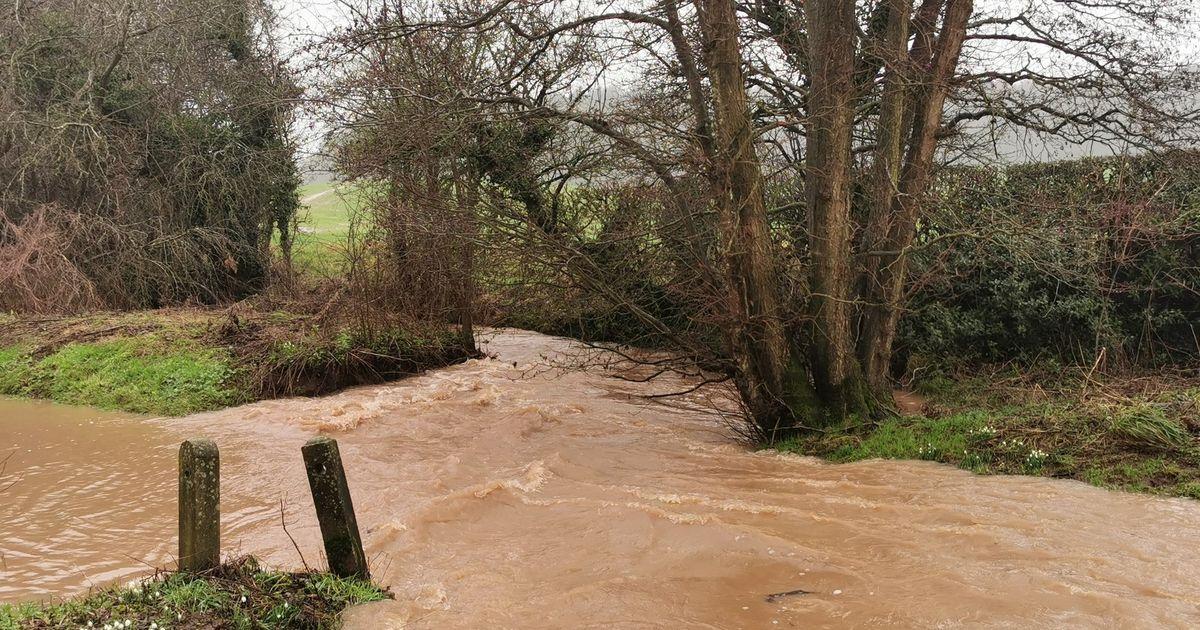
Emergency services carried out vehicle and boat rescues as rivers burst their banks.
Coverage Differences
Narrative emphasis
Different sources emphasise varying aspects: West Asian Anadolu Ajansı frames Chandra as part of a sequence of storms this month, noting it is the "third major storm this month," while Western tabloids such as Daily Express emphasise dramatic imagery and high gust forecasts (e.g., submerged vehicles, 60–75mph gusts). Western mainstream outlets (The Independent, Sky News) stress official warnings, record rainfall and the formal ending or continuation of severe warnings. Each source is reporting the same storm impacts, but the lens (regional pattern, sensational visuals, or official statistics) changes the headline tone.
Geographic focus
Local and regional outlets (e.g., stirlingnews for Northern Ireland and Republic of Ireland impacts; standard.co.uk for Devon and Dorset) highlight specific town impacts such as Enniscorthy or Ottery St Mary and local rescues, whereas national outlets summarise nationwide counts and record rainfall. This produces more granular local detail in regional sources and broader-stat reporting in national outlets.
Flooding impacts and rescues
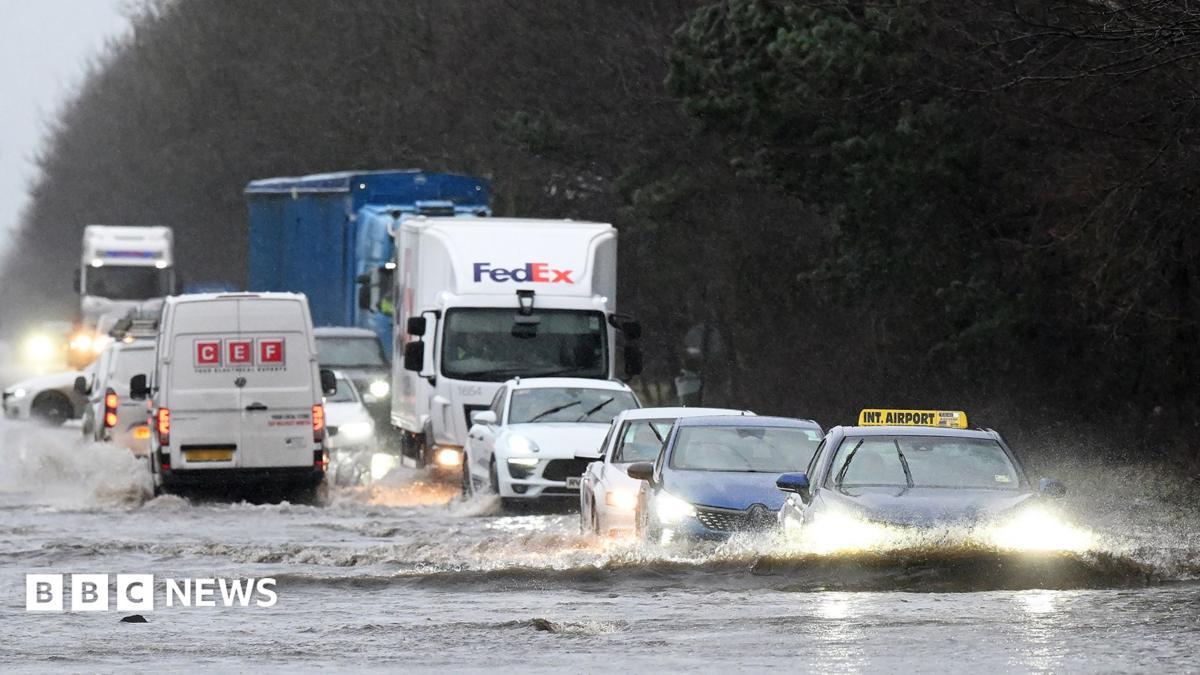
Flooding caused immediate life-threatening local emergencies.
Firefighters in Devon and Somerset rescued people from roughly 25 vehicles.
Rivers recorded historic levels; the River Otter reached 2.83m, its highest recorded level.
Towns in Ireland such as Enniscorthy saw homes and businesses flooded and boat rescues carried out.
Eyewitness and local accounts underline the human cost, from trapped residents in Axminster to submerged cars in Weycroft.
Coverage Differences
Tone and human detail
Regional reporting (manchestereveningnews, stirlingnews) provides vivid local testimony — an Axminster resident describing being "trapped upstairs" and Enniscorthy's repeated flooding — while national summaries (standard.co.uk, The Independent) emphasise the number of rescues and measured records. Tabloid coverage (Daily Express) foregrounds shocking footage such as a "vehicle submerged in floodwater," increasing emotional immediacy for readers.
Scope of rescue reporting
Some outlets report aggregated rescue figures and river levels (standard.co.uk cites "about 25 vehicles" rescued and the River Otter peak), whereas local outlets and broadcasters add context about boat rescues in Ireland or community impacts (stirlingnews reports ESB/Enniscorthy impacts). These are complementary rather than contradictory, but omission of either level (national aggregate vs local colour) changes how readers perceive severity.
Weather and flood warnings
Official warnings and meteorological records were a major focus: the Met Office issued multiple yellow and amber alerts for rain, wind, snow and ice, sites recorded record January daily rainfall totals, and the Environment Agency and local authorities maintained a rolling set of flood warnings and alerts.
Reported counts varied between outlets — for example: 112 flood warnings and 237 flood alerts (Standard), about 90 warnings and nearly 240 alerts (Manchester Evening News), 93 warnings and 237 alerts (The Independent), and more than 80 flood warnings and over 250 flood alerts (Sky News) — reflecting how quickly these numbers can change.
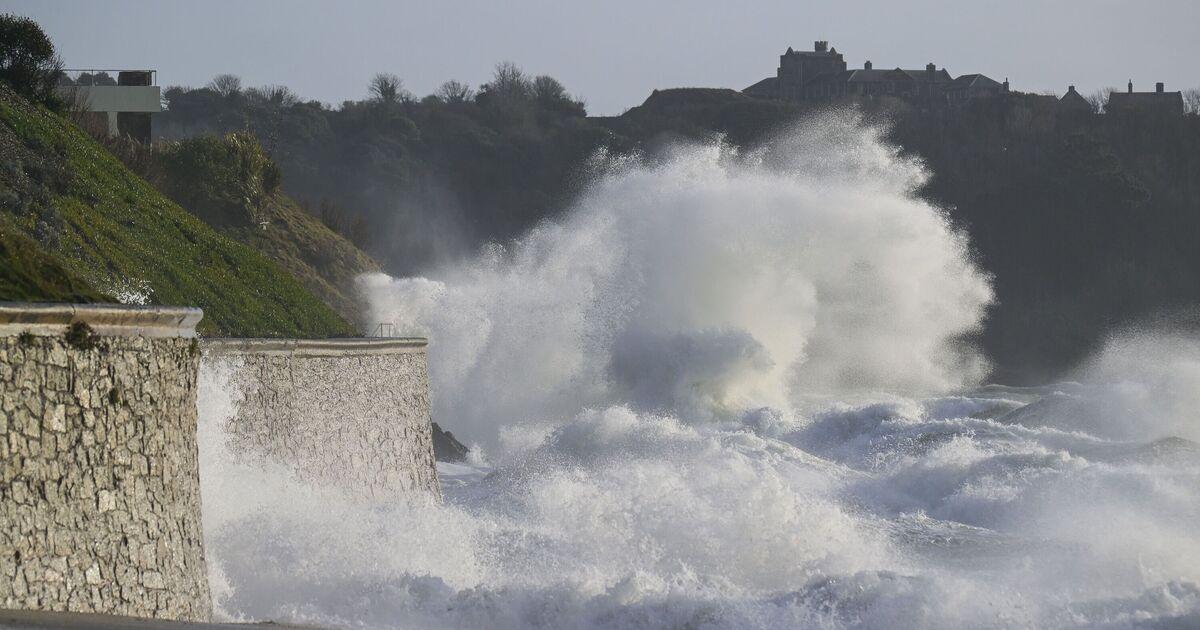
The Met Office also confirmed record totals in places including Katesbridge (100.8 mm) and specific daily records at sites such as Mountbatten, Plymouth.
Coverage Differences
Contradiction/variance in numbers
Outlets report different totals for flood warnings and alerts at roughly the same time: standard.co.uk reports "112 flood warnings and 237 flood alerts," Manchester Evening News reports "about 90 other flood warnings and nearly 240 flood alerts," The Independent gives "93 flood warnings and 237 flood alerts," and Sky News says "more than 80 flood warnings and over 250 flood alerts." These differences reflect rapidly changing operational data and when each outlet published, not necessarily factual error; the variation should be read as timing/rounding differences rather than direct contradiction.
Record rainfall emphasis
Some outlets highlight Met Office record measurements (standard.co.uk, The Independent) and site‑specific daily maxima (Mountbatten, Plymouth; Katesbridge), while other pieces focus on the practical meaning of warnings (what "flood alerts" vs "flood warnings" vs "severe" warnings mean), providing different mixtures of technical data and public‑safety explanation.
Transport and school disruptions
Travel, schools and infrastructure were heavily affected.
Rail services were disrupted after Great Western Railway reported a large sinkhole between Dawlish and Teignmouth.
Bridges and major roads were closed or restricted, including the M48 Severn Bridge and the Humber Bridge.
Dozens of flights and ferry sailings were cancelled, and many schools closed across the regions.
Local authorities in Somerset declared a major incident amid severe flooding and impassable roads.
National Highways and transport operators published multiple closures and cancellations.
Coverage Differences
Emphasis on disruption vs governance response
Tabloid and national outlets (Daily Express, standard.co.uk) foreground large-scale transport disruption, cancellations and dramatic forecasts (gusts, heavy rain totals), whereas local outlets (somersetcountygazette, chroniclelive) provide operational detail like which roads and fixtures were affected and the local emergency response (Somerset Council's major incident). This shifts the reader's sense from headline disruption to detailed local contingency and recovery efforts.
Specificity of closures and forecasts
Some outlets give precise predicted rainfall or wind figures (Daily Express forecasts "around 50mm" to "more than 100mm" on higher ground and "Gusts of 60–75mph"), while local reporting lists the actual closures and postponements (football fixtures, particular junctions) rather than future totals — again a difference of forward‑looking hazard projection versus reporting localized impacts and logistics.
Regional storm aftermath
Power outages peaked in Northern Ireland and the Republic, with Northern Ireland briefly seeing about 10,000 customers without power and the Republic's ESB reporting around 20,000 affected.
Agencies cautioned that saturated soils mean flood risk will persist through the week.
Coverage varies by outlet: some offer practical advice and interpretation of warnings, others focus on human stories and dramatic footage, while broadcasters such as Sky News also explain naming conventions and wider storm-naming practices.
Together, these different emphases present a picture of immediate emergency response and ongoing risk.
Coverage Differences
Local data vs national summary
Local outlets such as stirlingnews give detailed outage figures and multi‑jurisdictional impacts ("outages peaked at about 10,000 properties" in Northern Ireland; "around 20,000" in the Republic), whereas national outlets summarise more broadly or omit local electricity figures; tabloids again highlight large-scale school closures or sensational imagery. Readers will therefore see either precise local counts or broader situational summaries depending on the source.
Tone and public guidance
Some outlets (manchestereveningnews, standard.co.uk) include explicit public‑safety explanations about the meaning of flood alerts/warnings and advice to avoid flooded roads; others (Daily Express, some broadcasters) accentuate dramatic visuals and return readers to checking travel updates. That affects whether coverage functions primarily as public guidance or as breaking‑news spectacle.