Britain13 November, 20252 min read
Storm Claudia Lashes UK, Triggers Amber Flood Warnings and Risk of Widespread Flooding
Met Office issued amber weather warnings for parts of the UK from Friday Some areas are forecast to receive around 75–80mm of rain on Friday
19 outlets told this the same way.
Outlets did split on UK Police Charge Teddy Young With Spying For Foreign Power, Royal Navy Member →
Storm Claudia warnings
Storm Claudia has prompted amber Met Office warnings across large swathes of the UK as heavy, slow-moving rain and strong easterly winds approach for Friday into Saturday. National outlets report amber warnings will be in force from around midday on Friday.
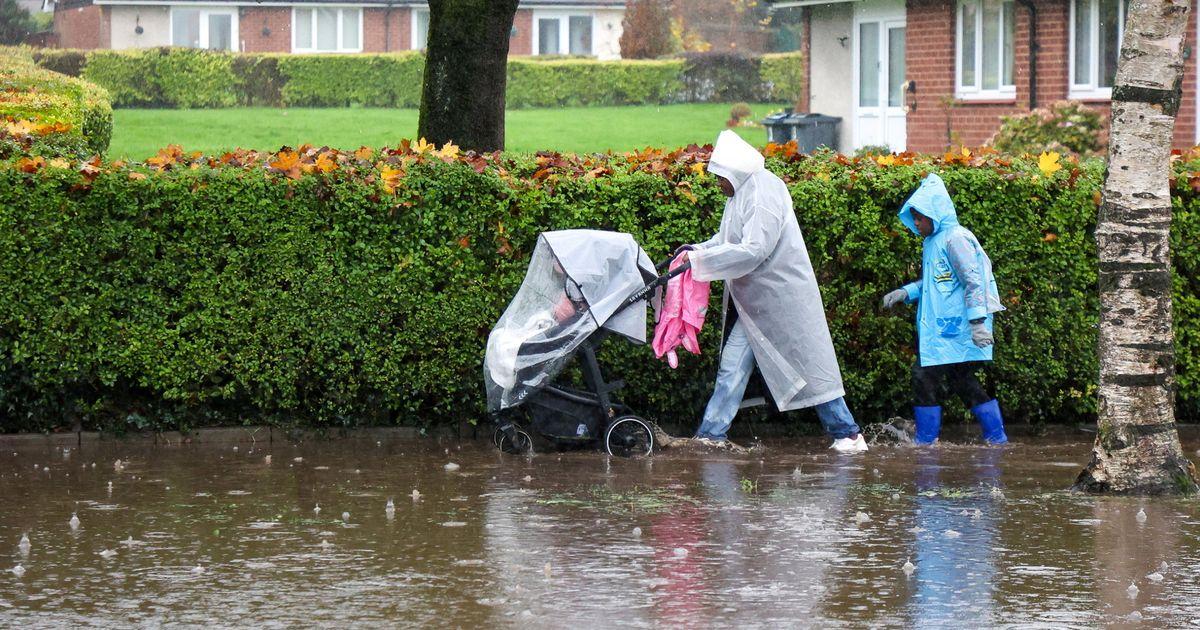
“Heavy storms have caused severe flooding across Wales, forcing businesses to close — a Carmarthen shopkeeper called the floods ‘the worst in living memory’ — and creating widespread disruption.”
The Met Office and local agencies are urging people to heed official guidance, avoid floodwater, prepare for power cuts and follow local warnings. Several sources name the system Storm Claudia — noting Spain's AEMET named it — and describe it as a major weather event that could bring intense rainfall and disruption across Wales, the Midlands, southern and central England.
Rainfall totals and risks
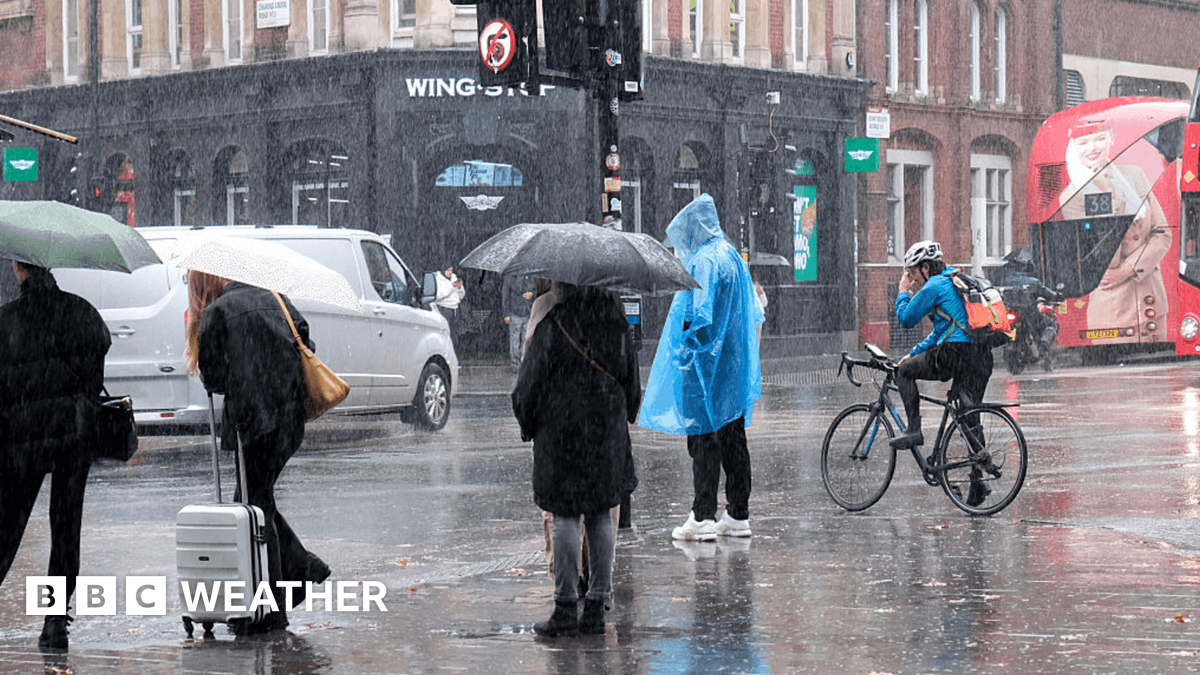
Forecast rainfall totals vary across reports but consistently warn of heavy accumulations and the risk of a month's worth of rain within 24 hours in some areas. National summaries give a range of expected totals, with many outlets citing 40–60 mm widely and higher totals of 60–80 mm for upland and amber zones.
Tabloids and some regional reports highlight much larger possible maxima, with the Mirror and Daily Mail naming locations that could see 100–150 mm or more than 150 mm on higher ground. The Independent and Sky point to 50–75 mm in parts of Wales and caution that slow‑moving fronts will increase local flood risk.
Coastal wind and flood risks
Strong winds and thunderstorms are highlighted as compounding hazards, with forecasts warning of gusts that could damage property and increase coastal exposure. Several outlets warn of gusts up to roughly 60-70 mph in exposed areas of north-west England and north-west Wales, with some summaries noting isolated 70 mph gusts on exposed hills and coasts. Guidance from the Met Office and media reiterates that spray, spray-driven coastal flooding, falling debris, and power cuts are possible where winds and rain combine.
“Winds: gusts of 60–70 mph possible in exposed areas of north‑west England and north‑west Wales.”
UK flood impacts and response
Regional reporting highlights local flood impacts and preparatory actions. The BBC describes severe flooding in parts of Wales, with a Carmarthen shopkeeper calling it 'the worst in living memory'. The Manchester Evening News and the Environment Agency warn drivers not to drive through floodwater.
GB News reports local school closures, noting 21 schools closed in Cumberland. Local agencies and the Environment Agency are preparing defences. They are also advising residents to sign up for flood alerts and to follow updates as rivers are swollen and the ground is saturated in places.

Safety message coverage differences
Some outlets use urgent phrasing — for example, the Daily Mail's amber warnings that describe a "danger to life" and a tabloid-style emphasis on extreme totals. Broadcasters and mainstream press such as the BBC, Sky and The Independent focus on practical steps and official guidance. A few sources in the dataset, including Nation.Cymru and the Daily Express, contain missing article text or snippets that invite readers to provide content, highlighting gaps and publishing issues in the sample.
“Authorities are urging people to follow safety guidance: heed local warnings, avoid floodwater and travel where possible, move to higher ground if needed, and prepare for power cuts (charge devices, keep torches and supplies ready, unplug appliances and follow official advice).”