Europe21 January, 20262 min read
Storms Collapse Retaining Wall, Derail Commuter Train Near Barcelona, Killing Driver and Injuring 37
This article is an automated aggregation of coverage from news outlets. Our editorials offer in-depth analysis curated by the NewsCord team.
Commuter train derailed near Gelida after striking a collapsed retaining wall on the tracks Train driver killed; 37 people injured, five seriously

26 outlets told this the same way.
Outlets did split on Marco Rubio Urges Europe To Awaken From Slumber In Athens Speech →
Rodalies derailment January 2026
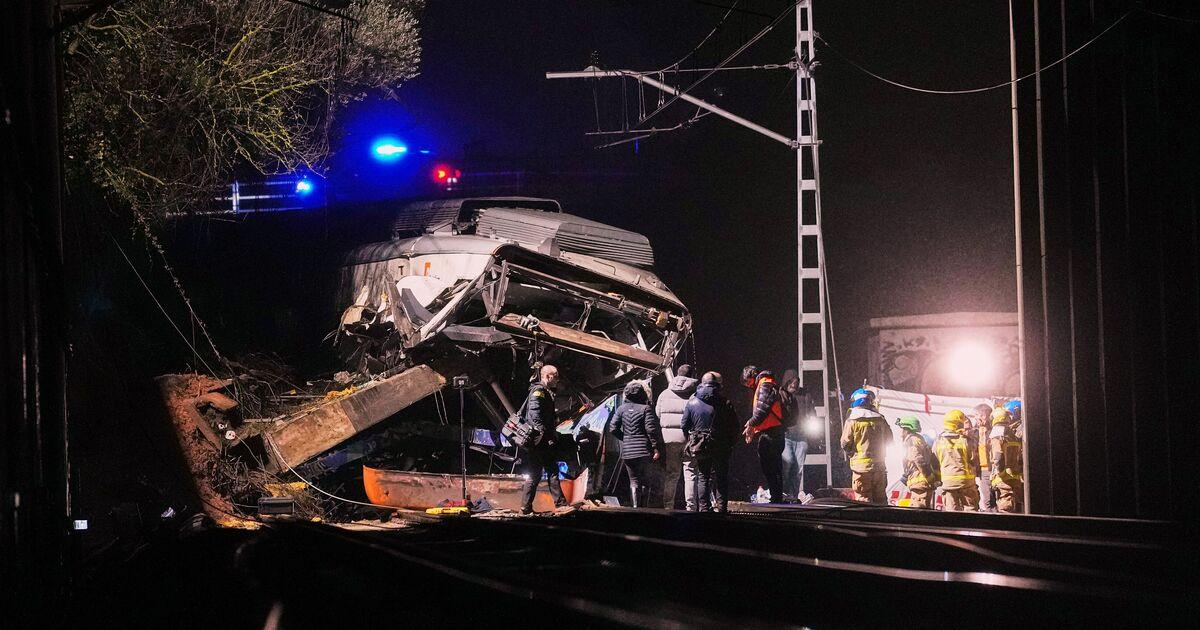
On the evening of Tuesday, January 20, 2026, a Rodalies commuter train derailed between Gelida and Sant Sadurní, about 35–40 km west of Barcelona. The derailment occurred after a retaining/containment wall collapsed onto the tracks amid severe storms and heavy rainfall. The driver was killed and at least 37 passengers were injured, several seriously.
“A commuter train derailed Tuesday evening near Barcelona after a retaining wall collapsed onto the tracks during severe storms, killing the driver and injuring at least 37 passengers.”
Authorities and rail operator ADIF said prolonged or heavy rain was the likely cause of the wall failure. Emergency teams evacuated all passengers from the wreckage. The crash damaged the driver’s cab and the front carriage, and passengers were taken to nearby hospitals including Moisès Broggi, Bellvitge and Vilafranca.
Emergency response details
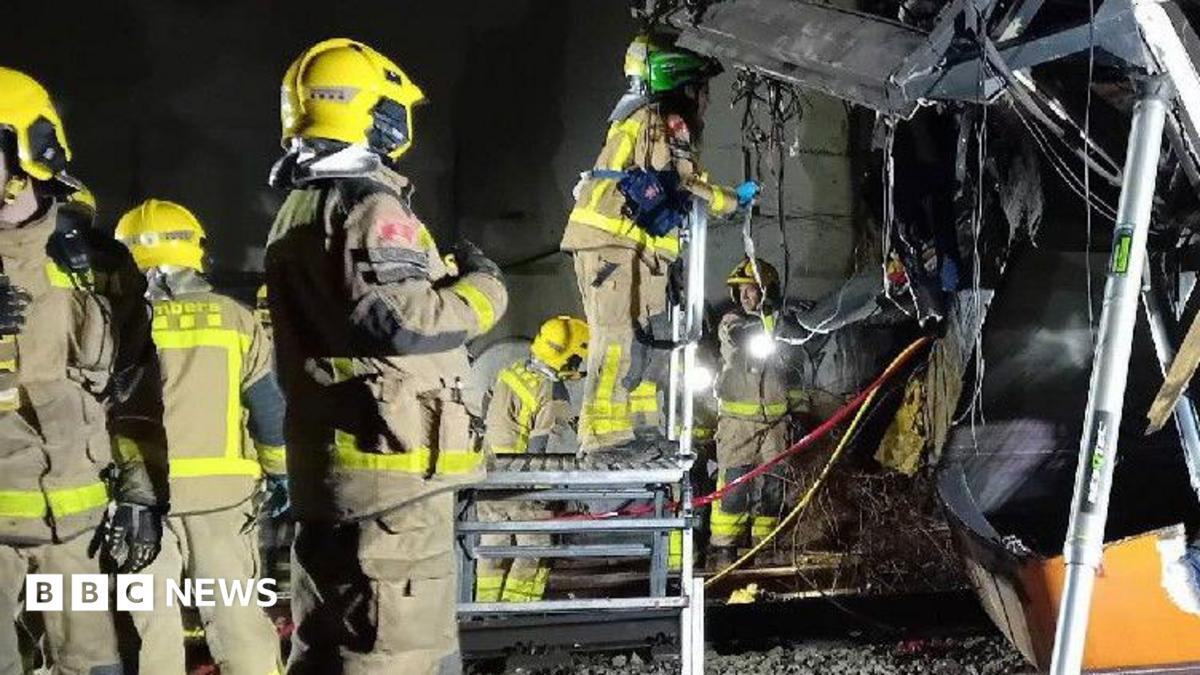
Regional authorities mobilised fire crews, ambulance teams and specialised rescuers to free trapped passengers, treat the wounded and inspect the site. Reports vary on scale, listing between 11 and 35 ambulances or dozens of firefighters on scene.
For example, Dimsum Daily reports 11 ambulances and dozens of firefighters, Sky News and the BBC cite 20 ambulances and 38 firefighter units, MyJoyOnline mentions 35 crews and 11 ambulances, and voz.us reports up to 70 personnel including around 40 firefighters and 20 ambulances. Several sources say one passenger was trapped and later rescued, and that all remaining passengers were evacuated.
Train derailment details
The derailment is consistently placed on the R4 commuter line between Gelida and Sant Sadurní d’Anoia. Timing varies between reports, with Metro.co.uk giving a local time of 21:02. Distance from Barcelona is reported inconsistently—several outlets say about 35 km, National Herald says about 40 km, and Metro gives about 22 miles.
Multiple accounts emphasise severe damage to the front of the train and the first carriage. Metro.co.uk, BBC and LIGA.net report most casualties were in the first carriage after a large piece of wall fell, while voz.us says the front of the train was completely destroyed.
Spanish rail accidents response
The Barcelona-area derailment came amid a broader and more acute national rail crisis, occurring two days after a much deadlier high-speed collision near Adamuz in Córdoba province that killed at least 42 people. That Andalusia crash has prompted national mourning, urgent investigations, and heightened scrutiny of rail safety, infrastructure resilience, and the possible role of extreme weather. Some outlets report early findings of a damaged section of rail, but investigators have not determined whether that was a cause or a consequence.
Unions and local officials have called for inspections and audits. Services on affected commuter lines were suspended, and there have been calls for strikes or additional safety checks.

Storms, investigations and uncertainty
Investigations were opened and officials described the heavy storms as the likeliest immediate trigger. Reporting stresses uncertainty: ADIF and Catalan officials said the wall "likely" or "probably" fell because of heavy rain, yet investigators are continuing to examine infrastructure. Inquiries into the separate Andalusia crash have found damaged track that may or may not be causal.
“ADIF said heavy rainfall likely caused the wall to fail.”
The incidents have prompted service suspensions, urgent audits and public pressure for answers. Media coverage varies between sources that attribute the events strongly to weather and those that emphasize ongoing probes and unresolved technical causes.