
Subscribers Cancel AI Apps 30% Faster Than Non-AI Apps, RevenueCat Finds
Key Takeaways
- Subscribers cancel annual AI app plans 30% faster at the median than non-AI apps
- AI apps monetize early but fail to retain subscribers long-term
- RevenueCat's findings are based on large-scale subscription data from its platform
Key annual retention gap
RevenueCat’s 2026 State of Subscription Apps report finds that subscribers cancel annual plans for AI-powered apps substantially faster than for non-AI apps, with annual retention for AI apps at 21.1% versus 30.7% for non-AI apps — a gap that the FindArticles coverage frames as “30% faster” cancellations at the median and that TechCrunch reproduces in its retention figures.
“A new industry report finds that while AI-powered apps are good at getting users to pay, they struggle to keep them paying”
This headline finding encapsulates the report’s central tension: AI features drive stronger early monetization but struggle to sustain subscribers over longer periods.
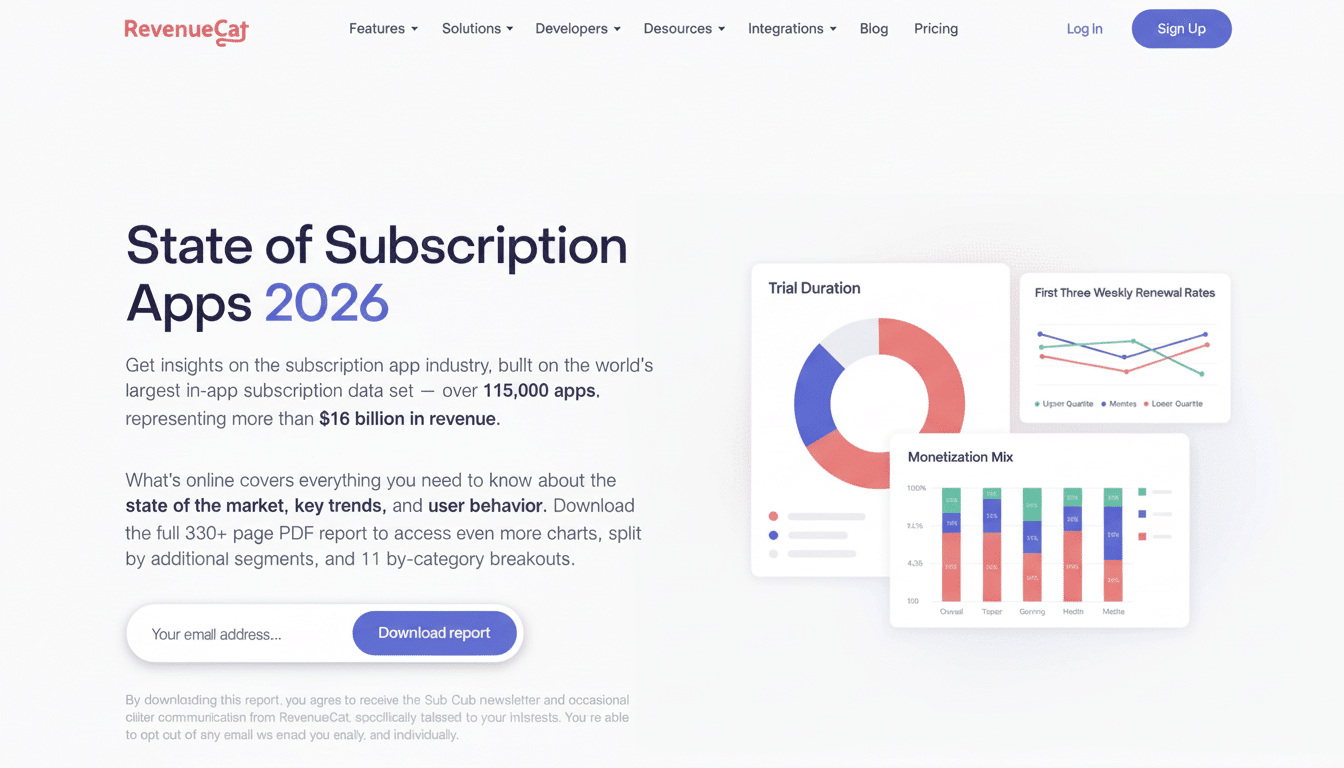
Both outlets present the 21.1% versus 30.7% figure as the key comparator for annual durability.
Monthly vs weekly retention
Monthly and weekly retention patterns show nuance: AI apps underperform on monthly retention (6.1% for AI apps versus 9.5% for non-AI apps) but outperform on weekly retention (2.5% vs. 1.7%).
Both sources note weekly subscriptions are not the predominant model for AI apps.
TechCrunch and FindArticles suggest the weekly advantage is a limited bright spot and caution that the predominant monthly and annual metrics point to weaker medium- and long-term stickiness for AI features.
Refunds and revenue volatility
Refunds and volatility are higher for AI apps, signalling weaker realized value for some users: RevenueCat’s median refund rate for AI apps is 4.2%, about 20% higher than the 3.5% median for non-AI apps.
“A new industry report finds that while AI-powered apps are good at getting users to pay, they struggle to keep them paying”
The upper-bound refund rates are also larger (15.6% vs. 12.5%), which both outlets say suggests greater volatility in realized revenue and user satisfaction.
TechCrunch explicitly links these higher refund and upper-bound figures to “deeper issues in user value, experience, and long-term quality.”
Front‑end monetization gains
Despite retention headwinds, AI features drive stronger front‑end monetization: AI apps convert trials to paid at 8.5% (a 52% lift over the 5.6% median for non-AI apps).
They monetize downloads around 2.4% versus 2.0% and show higher realized lifetime value (median monthly RLTV $18.92 for AI apps vs $13.59 for non-AI apps; annualized $30.16 vs $21.37).
Both outlets characterise this as a pattern of strong early revenue capture paired with difficulties sustaining long‑term subscriber value.
Scope and caveats
Scope, dataset and caveats: RevenueCat’s analysis covers more than 1 billion in‑app transactions across iOS, Android and web and represents over $11 billion in annual developer revenue, drawing on more than 75,000 publishers on the platform — which FindArticles highlights to underscore the report’s scale.
“A new industry report finds that while AI-powered apps are good at getting users to pay, they struggle to keep them paying”
TechCrunch and FindArticles both flag that AI’s rapidly evolving technology and user experimentation may drive churn and app‑hopping, and they conclude that AI can deliver strong early monetization even as it struggles to hold users long term.
Note: the summary above draws only on the two provided articles, which both reproduce RevenueCat’s figures and commentary; additional sources could expand nuance but were not available in the materials supplied.
More on Technology and Science

Chemical odor forces FAA to halt flights across DC-area airports
27 sources compared

Apple Cuts China App Store Commissions to 25% After Regulator Pressure
25 sources compared

FBI Investigates Hacker Who Uploaded Malware-Laced Games to Steam
12 sources compared

University of Cambridge Researchers Urge Tighter Regulation Of AI Talking Toys For Under-Fives
10 sources compared