Full Analysis Summary
Sudan military operations update
Sudanese army and allied forces say they launched airstrikes on Rapid Support Forces (RSF) strongholds.
They say they have made gains in West and South Kordofan and struck RSF positions while advancing west of al-Abbasiya.
The army says it seized the towns of al-Damra, Tabsa, al-Murib and Qardud.
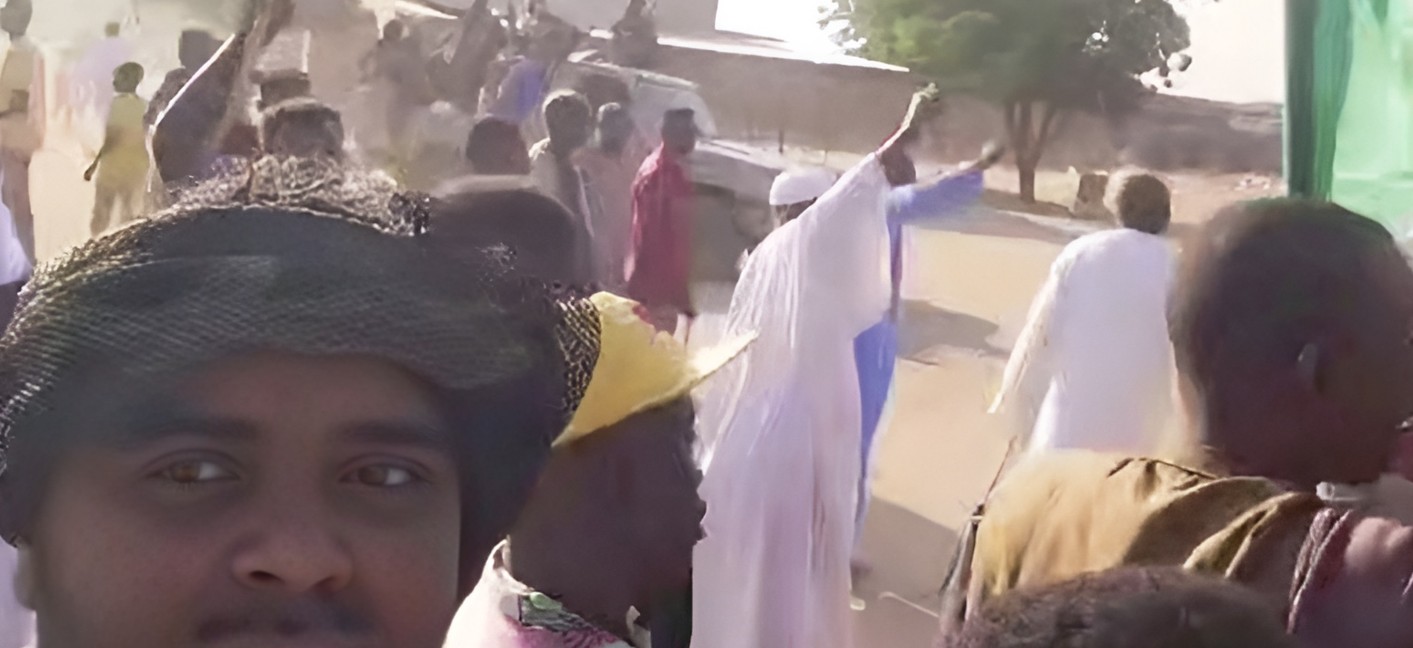
It released footage showing control of Tabsa and al-Damra amid celebratory crowds.
The army also reported efforts to lift sieges on al-Babnusa, Kadugli and al-Dalanj.
This military-focused account emphasizes battlefield gains and air operations as the central developments.
The wider humanitarian toll, however, is described elsewhere as part of a much larger crisis.
Coverage Differences
Narrative emphasis
Al-Jazeera Net (West Asian) foregrounds military operations, naming towns seized and airstrikes and citing army sources and released footage; The Eastleigh Voice (Local Western) foregrounds the humanitarian scale with casualty and displacement figures rather than granular battlefield geography; Middle East Monitor (Western Alternative) did not supply article text in the provided snippet and therefore offers no coverage to compare, representing a gap in available perspectives.
South Kordofan update
Al-Jazeera reports a military source told the outlet the army advanced west of al-Abbasiya in South Kordofan and seized al-Damra, Tabsa, al-Murib and Qardud.
These gains followed clashes with the Popular Movement of Abdul Aziz al-Hilu, which Al-Jazeera describes as allied to the RSF, and those forces reportedly withdrew to Tasi.
The same report says the army released footage purporting to show control of Tabsa and al-Damra.
It also reports the army repelled an RSF attack on the 22nd Infantry Division headquarters in al-Babnusa.
Local and regional outlets vary in focus, with some emphasising battlefield detail, others emphasising humanitarian statistics, and some providing no report at all.
Coverage Differences
Detail vs. omission
Al-Jazeera Net (West Asian) provides granular battlefield detail including town names, claimed withdrawals and a cited military source; The Eastleigh Voice (Local Western) provides aggregate humanitarian metrics (deaths, displacement, famine) without the same town-level operational detail in the quoted snippet; Middle East Monitor (Western Alternative) did not provide the article text and therefore omits both operational detail and humanitarian specifics in the provided material.
Conflict and humanitarian impact
Al-Jazeera's account emphasises active operations, reporting airstrikes on RSF strongholds and attempts to lift sieges on towns including al-Babnusa, Kadugli and al-Dalanj.
It reports that fierce fighting across North, West and South Kordofan has displaced tens of thousands.
A local outlet provides humanitarian figures, reporting the conflict has killed over 40,000, displaced more than 14 million and pushed parts of the country into famine.
These numbers underscore the severity of the crisis beyond battlefield maps.
The available Western Alternative source did not provide a substantive article in the provided snippet, leaving a visible gap in alternative framing in this dataset.
Coverage Differences
Tone and severity
Al-Jazeera Net (West Asian) presents intense operational language—'airstrikes', 'seized', 'repelling attacks'—and notes displacement from fierce fighting; The Eastleigh Voice (Local Western) uses large-scale humanitarian descriptors—'killed more than 40,000', 'displaced over 14 million', 'pushed parts of the country into famine'—amplifying severity and humanitarian framing; Middle East Monitor (Western Alternative) did not supply the full article text and thus cannot be compared on tone in the provided material.
Media coverage of clashes
Al-Jazeera also reports the army said it repelled an RSF attack on the 22nd Infantry Division headquarters in al-Babnusa, a detail that emphasises clashes around military infrastructure even as civilians flee.
The Eastleigh Voice’s phrasing about mass displacement and famine highlights consequences for civilians that are broader than any single engagement.
The absence of Middle East Monitor’s article text in the provided materials means the Western Alternative perspective cannot be confirmed here, which is itself notable when comparing coverage breadth across source types.
Coverage Differences
Attribution and evidence
Al-Jazeera Net reports actions and attributions to army sources and released footage (military claims and visual material are presented); The Eastleigh Voice presents consolidated humanitarian figures (which may derive from different aggregations or reporting) without the same operational attributions in the quoted snippet; Middle East Monitor (Western Alternative) did not provide text, so whether it would corroborate either operational claims or humanitarian tallies cannot be determined from the provided material.
Media framing comparison
The local outlet’s front page mixes national crisis figures with unrelated local items, as shown by the Eastleigh Voice snippet listing Kenyan stories like MCAs denying votes, an ODPP appeal, and an ICC probe ending.
This editorial choice contrasts with Al-Jazeera Net’s singular focus on operational developments in Kordofan.
The Middle East Monitor entry lacks a substantive article to offer an alternative framing, highlighting a distribution of emphasis across source types and a clear gap where the Western alternative source was not supplied in full.
Coverage Differences
Unique/off-topic coverage
The Eastleigh Voice (Local Western) pairs the international humanitarian crisis summary with unrelated local items — e.g. county political disputes and drugs seizures — suggesting an editorial blend of local and international content; Al-Jazeera Net (West Asian) stays focused on military operations and regional sieges; Middle East Monitor (Western Alternative) did not provide the requested article text in the snippet, leaving its potential unique framing unknown in this dataset.