Sudan Doctors Network Warn Rapid Support Forces Overran Karmuk, Threatening 100,000 Displaced
Key Takeaways
- Sudan Doctors Network warns of a disaster threatening around 100,000 displaced in Blue Nile region.
- Displaced people are in Damazin with deteriorating humanitarian conditions.
- Al-Jazeera Net and Masrawy corroborate the warning across outlets.
Displacement in Blue Nile
Sudan is facing a looming humanitarian catastrophe that threatens more than 100,000 displaced people in the Blue Nile region as the autumn season approaches, according to a warning issued by the Sudan Doctors Network.
In the city of Damazin, the network said there are about 10 displacement centers sheltering more than 100,000 displaced people from the Blue Nile region.
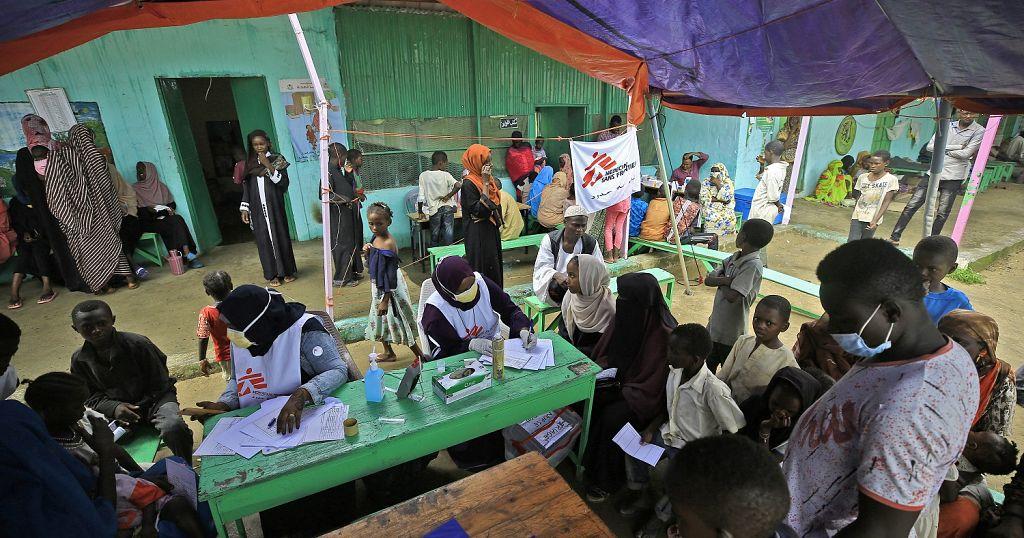
The network said children make up 40% of the displaced, while women and the elderly represent 60% of the total who fled the conflict in the Karmuk and Kisaan governorates.
It warned that the crisis worsened after the Rapid Support Forces overran the city of Karmuk and several neighboring areas, causing wide-scale mass displacement.
The network said thousands of civilians became displaced and faced “tragic conditions,” including outbreaks of epidemics and a severe shortage of food and water.
It also said there has been a significant deterioration in health services inside the shelters, alongside poor health infrastructure and the absence of urgent interventions.
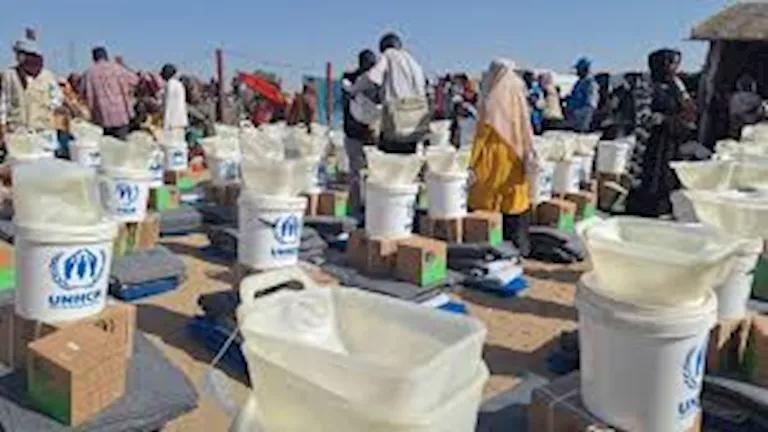
The Sudan Doctors Network urged international organizations and humanitarian agencies to urgently intervene to provide food, medicine, and clean water, strengthen health care services, and protect civilians, especially the most vulnerable groups.
Cholera and collapsing care
The humanitarian warning comes as Sudan also battles what the European Union described as the worst cholera outbreak in years, with the disease spreading through a health system already strained by war.
Le Devoir reported that at least 40 people died in a week in Darfur, in western Sudan, in the worst cholera outbreak the country has known in years.

It said the European Union called on all parties to the conflict to allow international humanitarian aid to enter “as a matter of urgency,” warning that the rise in cases “exacerbates the worst effects of malnutrition.”
The article cited UNICEF figures that Sudan has become, since 2023, the world’s most severely hit by cholera, with more than 2,400 deaths recorded over the past year in 17 of its 18 states.
It also quoted MSF saying that in Darfur its teams treated “more than 2,300 patients and recorded 40 deaths last week due to cholera.”
The report described cholera as a diarrheal disease transmitted by contaminated water and food that can kill within hours without treatment, while noting that the war between the army and the Rapid Support Forces since April 2023 has made treatments often inaccessible.
In Tawila, in North Darfur state, the situation was described as the most critical, where Mona Ibrahim told AFP, “We mix lemon into water ... and we drink it as a remedy,” and added, “We have no toilets.”
MSF’s Sylvain Penicaud said, “Two weeks ago, a body was found in a well. It was removed, but two days later people were forced to drink that water again,” as the report said displaced people had an average of only three liters of water per day, below the WHO-recommended 7.5 liters per person per day.
Damazin and malnutrition
Beyond Darfur, the cholera crisis is intersecting with malnutrition in other parts of the country, including Blue Nile state, according to Le Devoir’s reporting.
“Berceau de notre Histoire, surgi des profondeurs de l'Afrique, le Nil excite la curiosité depuis l'Antiquité”
The article said that in Damazin, the capital of Blue Nile state in southeastern Sudan, MSF notes a deadly combination of cholera and malnutrition.
It quoted MSF saying, “Between August 3 and 9, six cholera patients who died were also suffering from severe acute malnutrition,” tying the deaths to both disease and nutritional collapse.
Le Devoir also reported that in El-Fasher, in Darfur, at least 63 people have died of malnutrition in one week, citing an official from the Health Ministry.
It further stated that nearly 25 million people are suffering from acute food insecurity in Sudan, where famine has already affected several regions.
The report connected the broader health emergency to the conflict’s impact on access to care, saying the war between the army and the Rapid Support Forces has brought the health system to its knees and makes treatments often inaccessible.
It also warned that the rainy season, which intensifies in August, could worsen the health crisis.
In the same account, the article described how aid delivery has become almost impossible, quoting the European Union as saying, “This cannot go on,” and adding, “Civilians must be protected and humanitarian access must be guaranteed.”
War, displacement, and new seizures
The medical warnings and outbreak reporting are unfolding alongside continued fighting and new territorial moves described in the sources.
Al-Jazeera Net said the Sudan Doctors Network’s warning was issued as the autumn season approaches, and it linked the worsening conditions to Rapid Support Forces advances, including overrun areas around Karmuk.
It also reported that on Saturday the Rapid Support Forces announced the seizure of the strategic city of Al-Keili in the Blue Nile region after launching a wide military operation in the region last March.
Al-Jazeera Net placed Sudan’s war in a timeline, saying Sudan has been at war since mid-April 2023 between the army and the Rapid Support Forces, and it cited the United Nations description of the conflict as “the world’s largest humanitarian crisis,” with displaced about 12 million people.
Le Devoir similarly described the war as being between the army and the Rapid Support Forces paramilitary since April 2023, and it said this conflict has brought the health system to its knees.
The same Le Devoir report included a statement from the army chief, General Abdel Fattah al-Burhan, saying on Thursday there would be “no compromise, no reconciliation” with the Rapid Support Forces.
It also framed the cholera outbreak as spreading beyond displaced camps, quoting MSF’s Tuna Turkmen: “the situation is beyond emergency. The outbreak is spreading well beyond the displaced camps.”
Together, the sources depict a cycle in which fighting and displacement intensify disease risk, while the ability to deliver care remains constrained by the conflict.
Looting of Khartoum’s museum
While the public health emergency dominates the humanitarian picture, another dimension of the conflict described in the sources is the looting and damage of Sudan’s cultural heritage in Khartoum.
“Sudan Doctors Network Warns of a Disaster Threatening 100,000 Displaced People in the Blue Nile Region”
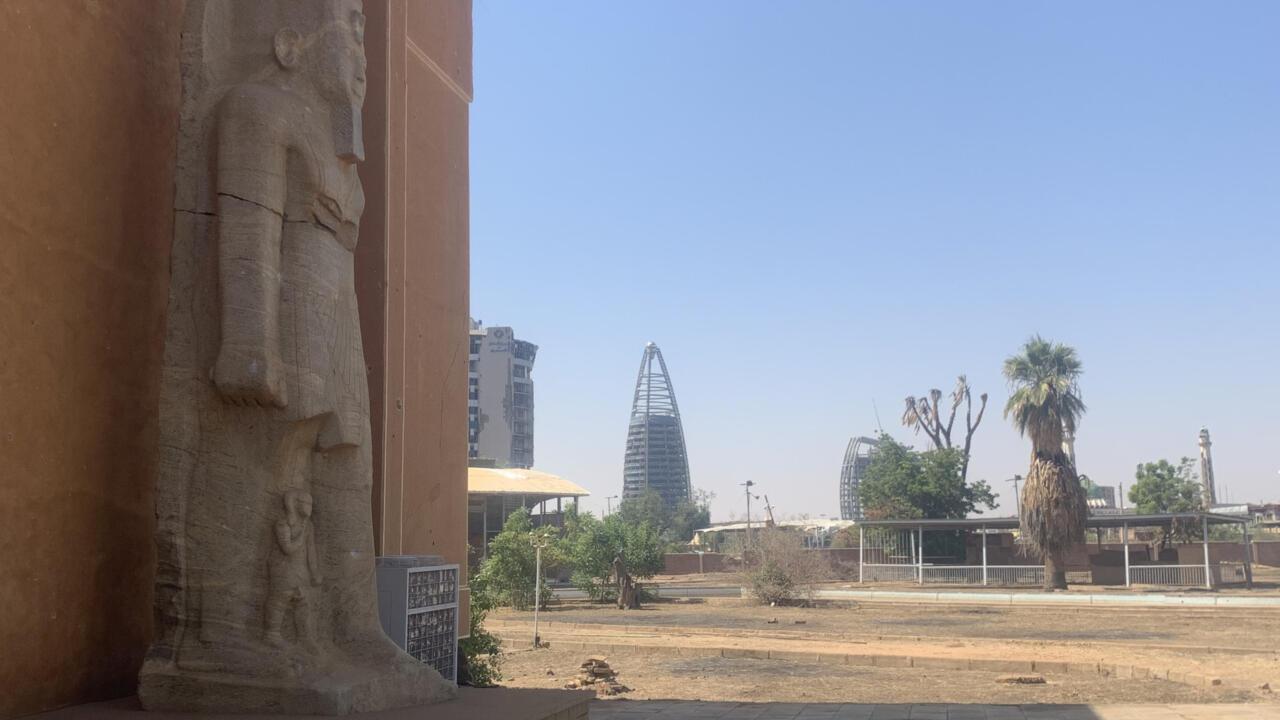
RFI reported that during their occupation of Khartoum, which lasted nearly two years, soldiers of the Rapid Support Forces looted the National Museum of Sudan’s invaluable collections.
The museum, inaugurated in 1971 on the banks of the Blue Nile a few steps from the presidential palace, housed nearly 100,000 artifacts spanning from prehistoric times through the Islamic period, including the Christian era, the Nubian civilization, and especially the Kingdom of Kush.
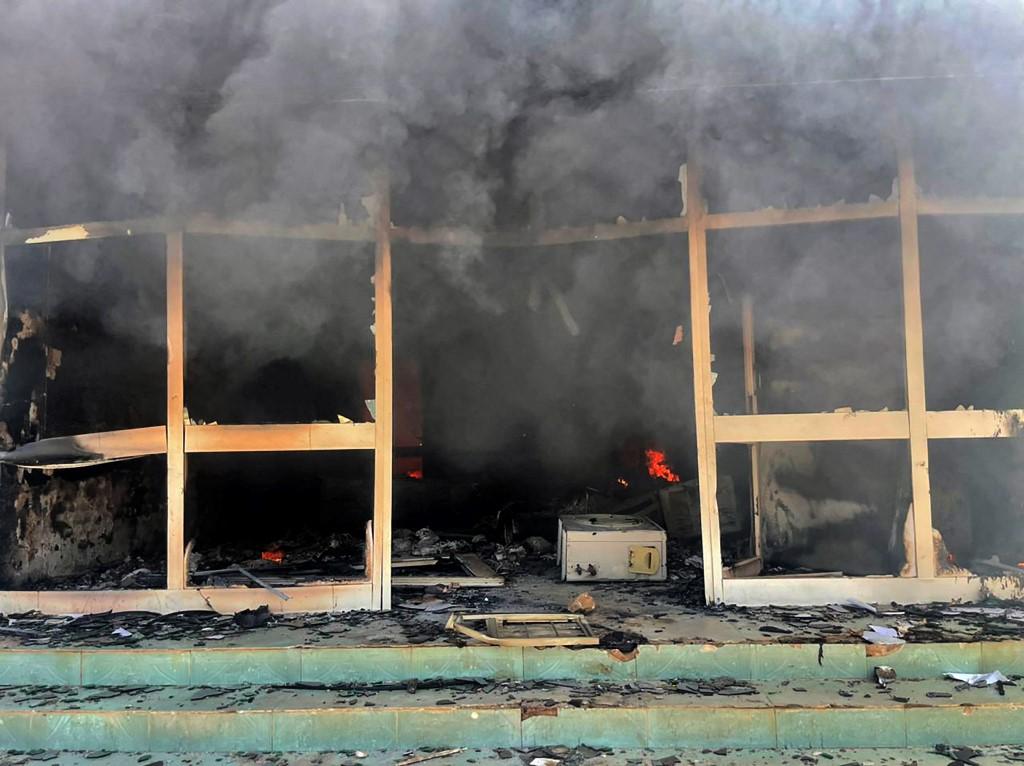
After the Sudanese army retook the capital, museum staff cleaned the building that had become a battleground and began making a detailed inventory to assess the extent of the looting.
RFI described rocket fire leaving gaping holes in the facade, the museum’s large glass storefront shattered into a thousand pieces, and the gardens still riddled with explosives.
Jamal Mohammed Zein, the first museum employee to return to the site, said, “Inside, all the locks had been forced, all the doors left ajar. I rushed into the great storage area that houses more than 100,000 archaeological pieces. Everywhere objects littered the floor. The cases had been opened and looted. Many artifacts were broken, chipped.”
RFI reported that Zein said, “They completely looted the Kushite gold chamber,” and it quoted his description of “Necklaces, rings made entirely of gold. Jewelry dating from the Kushite era, from the Napata and Meroë kingdoms, and that had been found inside royal tombs.”
The article said a committee formed to assess damage and looting is headed by Dr. Rihab Khidir, who estimates that at least 4,000 pieces of priceless value have been stolen, and it added that the museum administration says it has evidence that at least three trucks loaded with archaeological pieces left the capital in August 2023 toward the west of the country.
More on Sudan
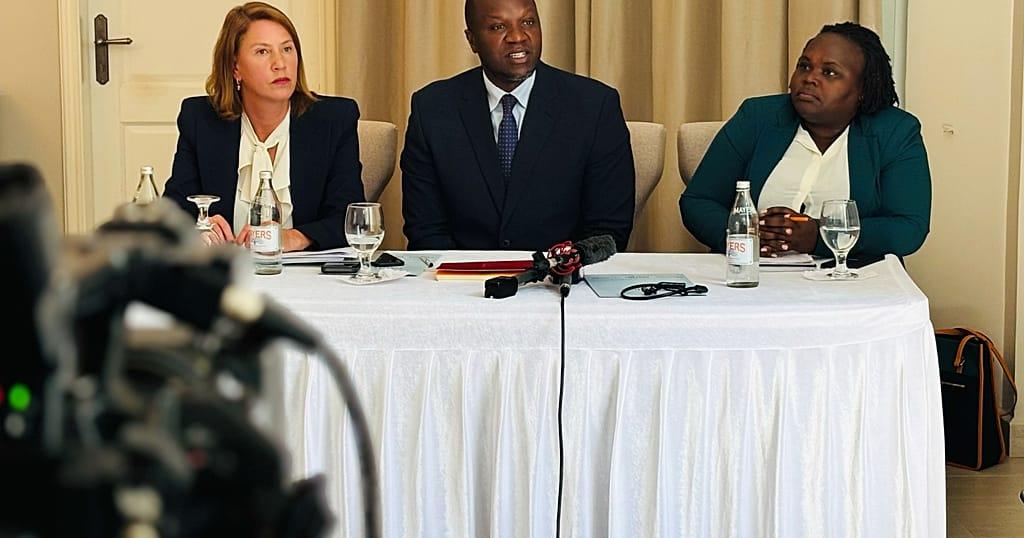
Twelve Sudanese Survivors File War Crimes Complaint Against RSF in Kenya Over Khartoum Abuses
11 sources compared

RSF Drone Strikes Kill 23 in El-Obeid, Rights Group Says
17 sources compared
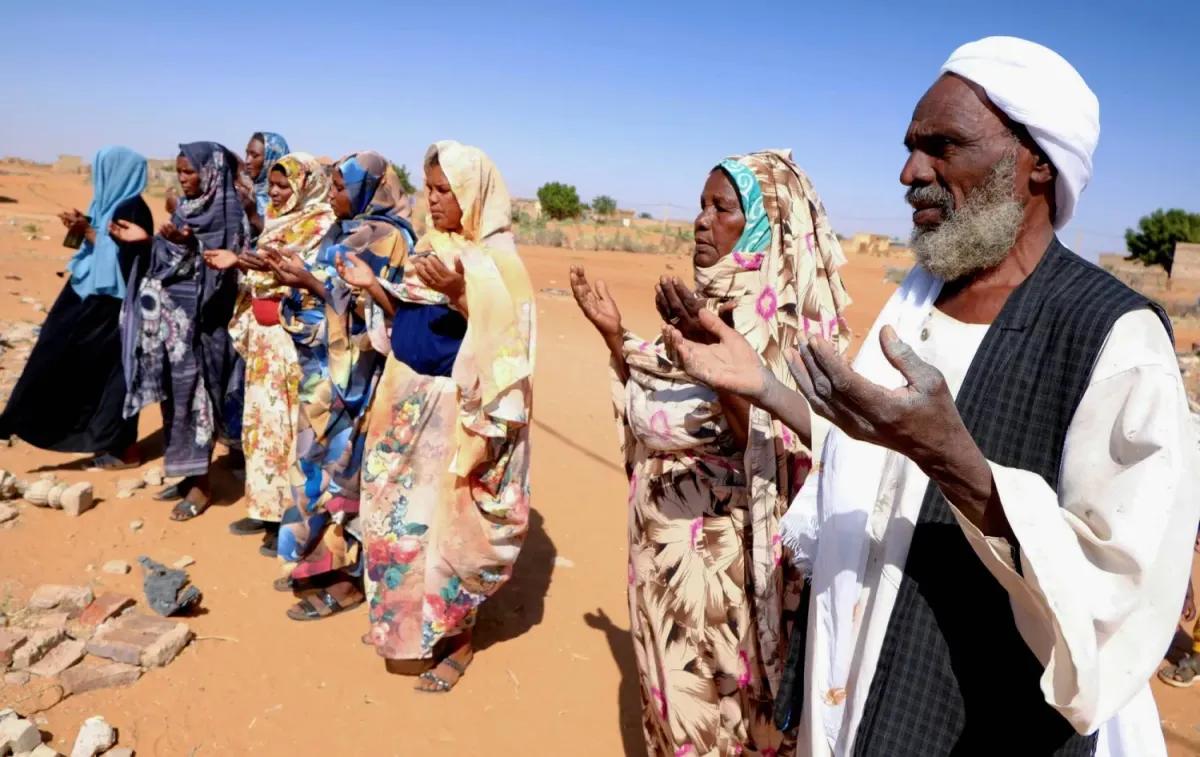
RSF Attack Kills At Least 58 in North Kordofan Villages West of Bara
13 sources compared
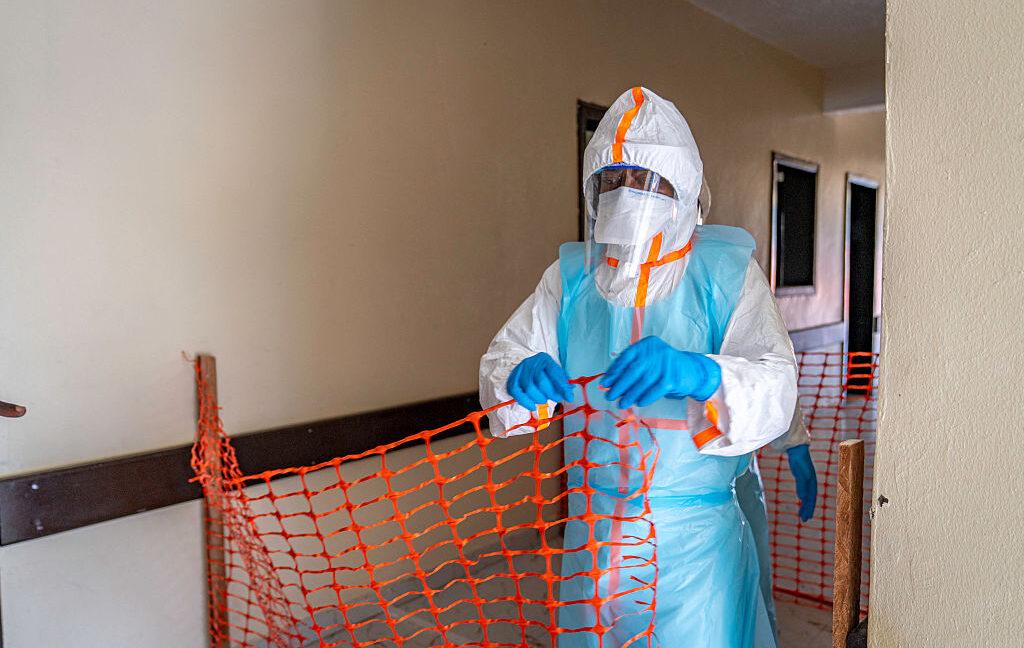
CEPI Invests $50 Million to Fast-Track Moderna’s Bundibugyo Ebola Vaccine
12 sources compared