Full Analysis Summary
Court fight over looted property
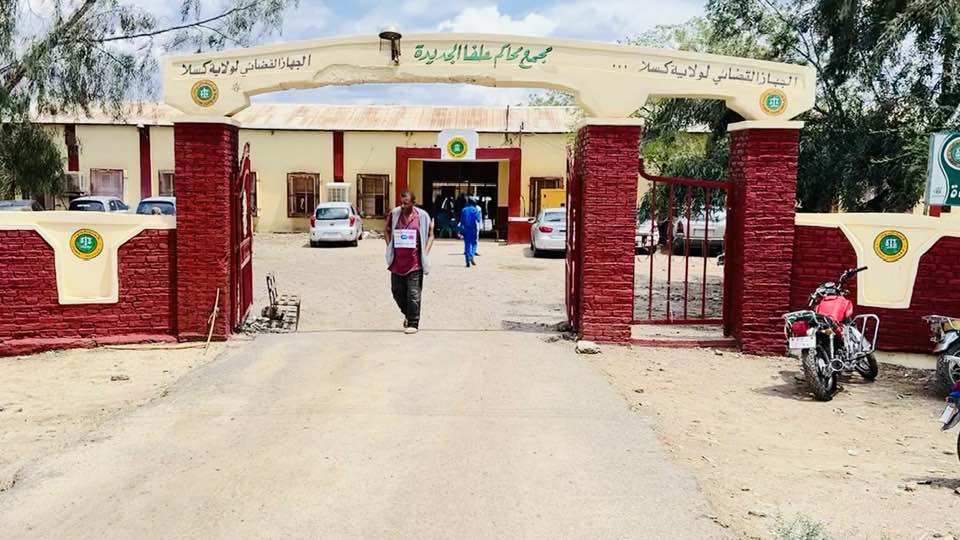
Security tensions erupted at the New Halfa court complex in Kassala state on Saturday.
The unrest followed a judges' verdict in a case over looted property belonging to displaced people from the Libya market west of Omdurman.
Independent local sources told Radio Dabanga that the dispute flared inside the courtroom and spilled into the compound.
Police intervened to disperse the brawl, and at least five people were arrested.
Reports describe the incident as chaotic and directly linked to the verdict over the contested property.
Coverage Differences
Consistency / Wording differences
Both Radio Dabanga (Other) and Dabanga Radio TV Online (Other) report the same core facts — a post‑verdict confrontation at New Halfa involving relatives of defendants and complainants that turned into a brawl and was dispersed by police, with at least five arrested. The difference is stylistic: Radio Dabanga uses the phrasing 'security tensions and chaos broke out' while Dabanga Radio TV Online uses 'violence broke out' and refers to the site as the 'court complex.' Both sources explicitly attribute their information to 'independent local sources' rather than official spokespeople.
Attribution / Source language
Both pieces emphasize that information comes from 'independent local sources'; neither quotes officials, court records, or named witnesses. This lack of official attribution is consistent across the two sources, limiting the ability to verify details such as motive beyond the property dispute or exact number of arrests.
Courtroom brawl and arrests
Accounts say tensions began during proceedings and escalated when relatives of the accused and the complainants confronted each other.
The dispute moved out of the courtroom into the wider court area, where it became a brawl.
Both outlets say police intervened to break up the fighting and made arrests, reporting at least five people detained.
Neither outlet provides names, charges, or further details about injuries or property losses.
Coverage Differences
Detail omission / Missing follow‑up
Neither Radio Dabanga (Other) nor Dabanga Radio TV Online (Other) supplies follow‑up details such as identities, charges, injuries, or official statements, which is a notable omission. Both attribute the count of arrested persons to local sources and do not present court or police spokespeople, leaving several facts ambiguous.
Tone
Both sources use terse, reportorial language; Radio Dabanga's phrase 'security tensions and chaos' carries a slightly stronger connotation of disorder than Dabanga Radio TV Online's 'violence broke out,' but both remain factual and concise rather than interpretive.
Displaced property dispute
The incident is tied in both reports to looted property belonging to displaced people from the Libya market west of Omdurman, which indicates the dispute concerned restitution or ownership claims by displaced populations.
Both outlets highlight the displacement context as central to the case.
They do not provide details on when the looting occurred, who originally occupied the property, or how the market community sought redress through the courts.
Coverage Differences
Context emphasis / Missing historical detail
Both sources (Other) emphasize the connection to 'displaced people from the Libya market west of Omdurman,' but neither provides historical context about the displacement, timing of looting, or specifics of the property claims. This omission leaves the broader backdrop unclear even though the articles tie the clash directly to property looting affecting displaced communities.
Alignment and gaps in reporting
Reporting across the two pieces is tightly aligned: both are brief, rely on independent local sources, and focus on the immediate incident rather than legal outcomes or official reactions.
That alignment reduces contradictory narratives but also exposes limits, since the articles lack official confirmation, victim statements, and detailed timelines.
Because of these gaps, key facts remain uncertain or unverified, notably the exact number arrested, any injuries, and the legal resolution that prompted the confrontation.
Coverage Differences
Missing official perspective / Verification
Both Radio Dabanga (Other) and Dabanga Radio TV Online (Other) lack statements from police, court authorities, or named witnesses; both rely on 'independent local sources.' This uniform lack of official sourcing is the principal reporting gap and is consistent across the two outlets rather than presenting conflicting accounts.
Ambiguity / Unverified specifics
Both stories report 'at least five people were arrested,' using an approximate phrasing that indicates uncertainty; neither supplies further verification. The repetition of the same phrasing across the two sources suggests they likely drew from the same local informants or one copied the other, but that cannot be confirmed from the texts themselves.