Sudan War Spreads Across North Darfur, North Kordofan, South Kordofan, And Blue Nile
Key Takeaways
- Blue Nile clashes between army and RSF drive thousands from homes, escalating humanitarian crisis.
- Fighting spreads to Kordofan states, widening conflict beyond Blue Nile.
- Displacement figures rise across Blue Nile and Kordofan states amid renewed clashes.
War spreads and displaces
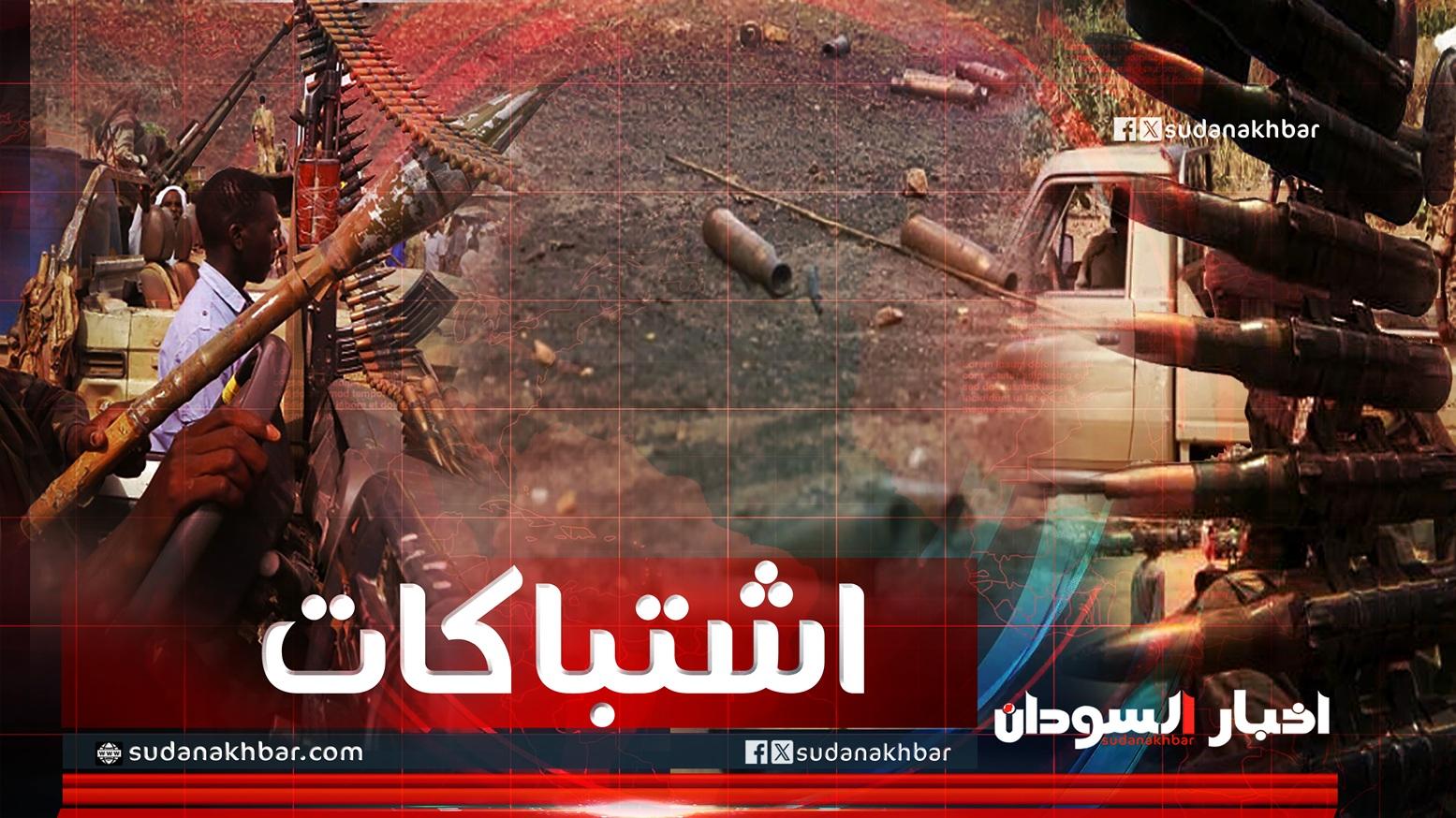
Sudan’s war has crossed “1,000 days of horrific violence,” Rosemary DiCarlo told the Security Council, as fighting continues to spread with front lines fluctuating in North Darfur, North Kordofan, South Kordofan, and Blue Nile states.
DiCarlo said the Sudanese Armed Forces reported breaking the sieges of the Rapid Support Forces (RSF) in Kadugli and Dilling, while El Obeid in North Kordofan “remains besieged on three sides by the RSF.”
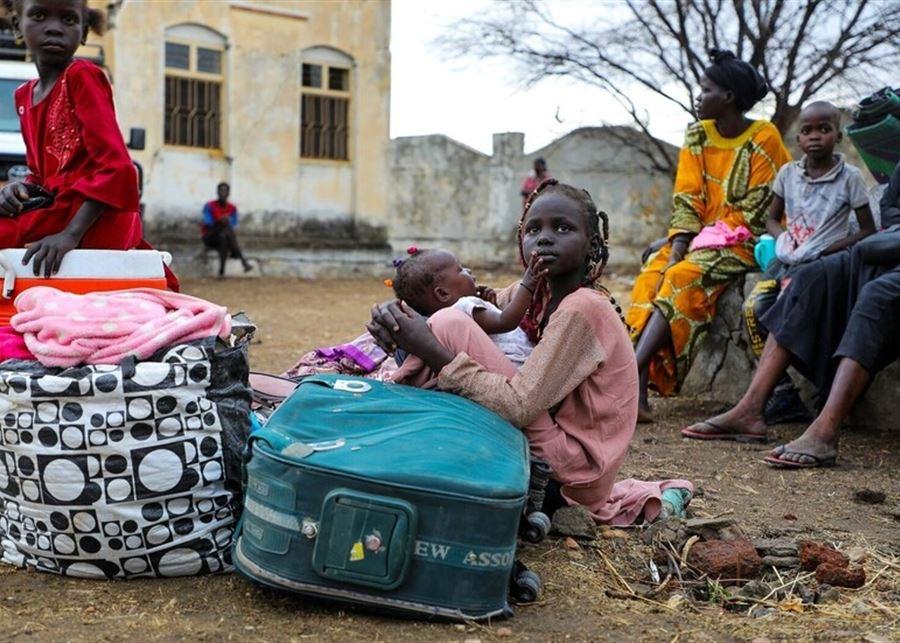
In Blue Nile, the International Organization for Migration said nearly 50,000 people were displaced across the state since the beginning of 2026, estimating 49,512 people displaced between Jan. 11 and May 4.
The IOM said 28,020 people were displaced from Kurmuk, 18,722 from Bau, and 11,855 from Geissan, with the displaced population moving to seven locations including Damazin, which received 25,630 displaced people.
DiCarlo also warned that “No region of Sudan is safe from the threat of attack,” citing the risk of regional spillover and the movements of armed groups across the border between Sudan and South Sudan.
Blue Nile violence and camps
Al Jazeera reported that fighting between the Sudanese army and the Rapid Support Forces displaced thousands in Blue Nile State, with more than 28,000 people forced from their homes between April and January alone.
In the same state, Middle East Eye said health authorities reported that the fighting has left at least 79 dead, while medical sources told the outlet the real figures are much higher and continue to rise.

Middle East Eye described deadly tribal clashes across Blue Nile State between the Hausa and al-Hamaj ethnic groups, and quoted Maaz Abakar saying, “The clashes and hate speech fueling these killings are multiplying. Violence is everywhere.”
The outlet also reported that the government in Kassala banned public gatherings after “several thousand Hausa burned government buildings and shops.”
Middle East Eye said Issa Abdul Gadir Haroun, a 37-year-old Hausa, told the outlet that he saw “no fewer than 30 corpses,” and that in the village of Allaouta near Ad-Damazin there are more than 70 dead and some bodies are still there in village streets.
Humanitarian collapse and regional risk
UN News said nearly three years after the rupture between General Abdel Fattah al-Burhan’s army and the RSF led by Mohamed Hamdan Daglo, “Nearly 30 million people are now in humanitarian distress,” with more than ten million having fled their homes, half of them children.
Edem Wosornu of the UN Office for the Coordination of Humanitarian Affairs described essential services as “near total collapse,” and said “food is widely unavailable on markets.”
UN News warned that the danger is no longer confined within Sudan’s borders, noting that “On January 16, seven Chadian soldiers were killed in clashes with RSF elements along the border area.”
In the same UN account, Rosemary DiCarlo told the Security Council that “weapons continue to transit through Sudan's neighboring countries,” and said escalation of tensions and rhetoric among neighboring states underscores the impact on regional stability.
Amnesty International France said violent fighting broke out on Saturday, April 15, 2023, in Khartoum, the capital of Sudan, and in several cities across the country, and described the conflict as pitting Abdel Fattah al-Burhan and General Hemetti, head of the Rapid Support Forces.
More on Sudan

Sudan Eid al-Adha Marked Amid Fighting Between Abdel Fattah al-Burhan and Mohamed Hamdan Daglo
10 sources compared
Three Red Cross Volunteers Die From Suspected Ebola in Democratic Republic of the Congo's Ituri
15 sources compared

US Health Authorities Temporarily Bar Green-Card Holders Returning From Ebola-Affected Congo, Uganda, South Sudan
27 sources compared

WHO Raises Ebola Risk to Very High in Democratic Republic of Congo, Cites 177 Deaths
11 sources compared