Full Analysis Summary
Sudan humanitarian crisis
Sudan’s conflict between the Sudanese Armed Forces (SAF) and the Rapid Support Forces (RSF), ongoing since April 2023, has produced what human-rights groups and UN agencies describe as the world’s worst humanitarian crisis, including mass killings, widescale displacement, deliberate blocking of aid, and widespread hunger.
Reports from Human Rights Watch and UN bodies warn that 24.6 million people face acute hunger (about 2 million at or near famine), and more than 11.8 million people have been displaced (7.4 million internally, 4.2 million refugees).
Aid convoys and medical facilities have been attacked, humanitarian workers harassed or detained, and both sides have blocked relief, compounding civilian suffering.
Coverage Differences
Tone and emphasis
allAfrica (African) emphasizes the scale of the humanitarian calamity using UN and HRW figures and graphic language about "mass killings" and famine risk, while Dabanga Radio (Other) focuses on a government official's account of prosecutions and improving responses to sexual violence, a markedly different emphasis and tone.
Humanitarian crisis overview
allAfrica reports 24.6 million people facing acute hunger, about 2 million at or near famine, and more than 11.8 million displaced, including 4.2 million refugees.
The same source documents attacks on aid convoys and medical facilities, plus harassment or detention of aid workers, which relief coordinators say have blocked relief and worsened malnutrition.
These operational barriers are central to the crisis narrative in allAfrica, which repeatedly links state and non-state violence to collapsing humanitarian access.
Coverage Differences
Missed information / focus
allAfrica details displacement, hunger statistics and attacks on aid and health infrastructure; Dabanga does not report these macro-level figures and instead centers on a government official's account of prosecutions and improved reporting on sexual violence, creating a gap in coverage between humanitarian scale (allAfrica) and government response (Dabanga).
Contrasting reports on abuses
Both sources flag sexual violence and other atrocities but portray response and accountability differently.
allAfrica reports sexual violence and other atrocities and says two women are detained and sentenced to death by stoning, indicating ongoing grave abuses and punitive measures amid lawlessness.
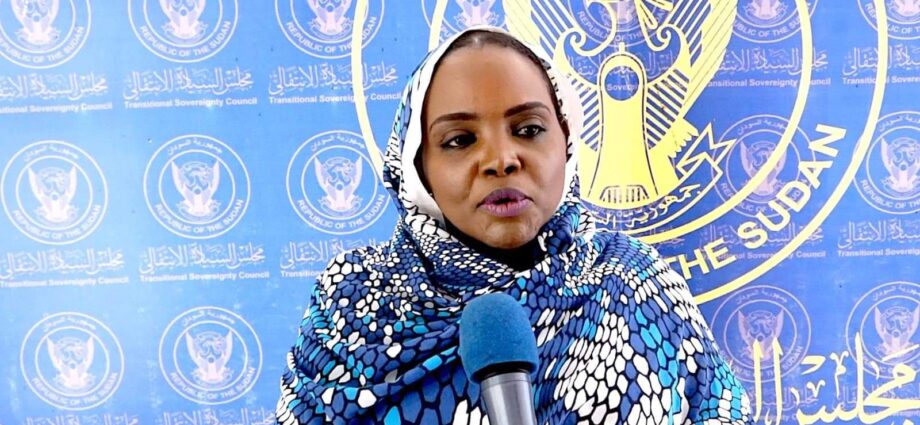
By contrast, Dabanga records State Minister Salima Ishaq saying cases of sexual violence and rape are rising but perpetrators, including members of the regular forces, are being prosecuted and immunity has been lifted in several cases.
Dabanga also records Ishaq crediting greater public awareness, improved reporting mechanisms and ongoing training of responders for helping victims obtain rights, a claim framed as official progress rather than the systemic collapse described by human-rights groups in allAfrica.
Coverage Differences
Contradiction / competing narratives
allAfrica emphasizes widespread atrocities and severe breakdowns in protection (including reports of stoning), whereas Dabanga quotes a government minister claiming active prosecutions and improved enforcement—two competing narratives about the degree of state control and accountability.
Contrasting conflict coverage
allAfrica documents additional forms of violence—drone attacks and intensified strikes in Kadugli and al-Obeid that 'have killed civilians'—and underscores the cross-border displacement of tens of thousands into makeshift settlements such as near Adré in Chad.
It also records international appeals: 'UN officials and relief coordinators are calling urgently for a humanitarian truce' and mentions political efforts like former prime minister Abdalla Hamdok touring Europe and the prime minister's National Peace Initiative.
Dabanga's piece, centered on the minister's remarks, does not include these operational and diplomatic dimensions, reflecting a narrower, domestically-focused report.
Coverage Differences
Narrative scope / unique coverage
allAfrica provides wider operational, military and diplomatic context (drone strikes, cross-border refugees, UN calls, political initiatives), while Dabanga focuses narrowly on ministerial claims about prosecutions and victim assistance—showing how source_type (African vs. Other) shapes scope and priorities.
Limits of available reporting
Based solely on the two snippets, the dominant independently sourced picture (allAfrica compiling UN and HRW reporting) portrays mass killings, blocked aid, and tens of millions at acute hunger risk.
The other snippet (Dabanga) records a government official asserting prosecutions, lifted immunity, and strengthened reporting.
These accounts are not fully reconcilable from the material provided.
Government claims of prosecutions reported by Dabanga are not independently corroborated in the allAfrica excerpt.
The allAfrica piece does not record official denials or claims of prosecutions.
Significant uncertainty therefore remains about the effectiveness and reach of accountability efforts on the ground.
I cannot add external sources or assume details beyond these snippets.
Coverage Differences
Unclear / conflicting claims
The two sources provide conflicting emphases: allAfrica (African) reports systemic collapse and blocked aid with UN/HRW data; Dabanga (Other) quotes a minister claiming prosecutions and improved enforcement. Because the provided texts do not corroborate each other, the effectiveness of accountability measures is ambiguous.