Full Analysis Summary
Kadugli supply lines restored
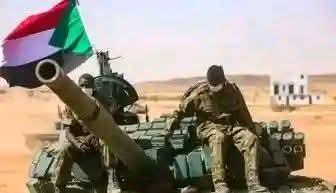
Sudanese Armed Forces (SAF) announced they had broken a months- to years-long siege of Kadugli, the capital of South Kordofan, allowing convoys of commercial and humanitarian trucks to enter the city and restock markets.
The reopening of supply lines produced visible drops in retail prices and the return of goods to shelves, bringing immediate relief to many residents and prompting public celebrations in some quarters.
This development is presented by sources as a significant operational success by SAF that restored access for food and consumer items.
Coverage Differences
Tone
Mena FN frames the lifting of the encirclement as relief, restoration of dignity and hope, and emphasizes the military's role in reopening markets; Al-Jazeera Net reports the army’s statement that the siege was broken but immediately qualifies the situation as still dire for many residents, stressing displacement, hunger and a collapsed health system.
Kadugli market price changes
Both accounts report an immediate economic impact in Kadugli: markets reopened and staple prices plunged as supplies arrived.
Mena FN provides detailed pre- and post-siege price comparisons for multiple commodities.
Al-Jazeera Net offers a similar example for sugar, and both sources underline large percentage falls in wartime prices that had been described as 'astronomical'.
Coverage Differences
Data Detail
Mena FN gives a list of specific price changes across several commodities (sugar, sorghum, flour, rice, cowpeas) with higher pre-siege figures, while Al-Jazeera Net gives a specific example for sugar with somewhat different figures — creating a discrepancy in exact numbers reported.
Recovery and humanitarian conditions
Al-Jazeera Net stresses that humanitarian conditions remain severe despite market recovery.
It reports roughly 11,000 people were displaced in recent months, many residents still eat only one meal a day, and the health system is described as "catastrophic."
Al-Jazeera includes firsthand reporting citing a local doctor who stayed in the city despite family risks.
Mena FN likewise records relief and public joy but focuses more on economic revival and the restoration of dignity, giving greater weight to official statements and visible market signs.
Coverage Differences
Narrative Framing
Al-Jazeera Net foregrounds ongoing humanitarian emergency and firsthand testimony (e.g., Dr. Taha Abdul Rahman) to qualify relief as partial, whereas Mena FN foregrounds market revival and public joy and emphasises dignity and hope tied to reopening.
Media framing of attacks
Al-Jazeera Net reports an increase in drone strikes since SAF’s announcement and says they are "blamed on the Rapid Support Forces."
Al-Jazeera Net also reports strikes that hit a clinic and killed civilians, and says families in the Nuba Mountains were bombed in attacks attributed to regular forces.
Mena FN notes ongoing drone strikes and shelling aimed at disrupting relief, frames these as threats that must be overcome to preserve gains, and applauds military efforts.
These sources differ in emphasis and attribution: Al-Jazeera Net highlights allegations against the Rapid Support Forces and attacks attributed to regular forces, while Mena FN emphasizes disruption, the need to overcome threats, and praise for military action.
Coverage Differences
Attribution
Al-Jazeera Net explicitly reports that drone strikes are "blamed on the Rapid Support Forces" and also reports accusations that regular forces bombed families; Mena FN mentions drone strikes and shelling as disruptions but does not assign the same detailed attributions and instead stresses the military's role in restoring access.
Security and humanitarian outlook
Looking ahead, both sources caution that gains could be fragile.
Mena FN quotes Governor Mohammed Ibrahim Abdel Karim urging unity, support for forces, and the need for sustained security and supply lines to preserve gains.
Al-Jazeera Net quotes humanitarian groups describing the easing as only a partial relief and warning that many households remain too poor or afraid to benefit.
Taken together, the reporting shows progress in access but clear disagreements and gaps about the durability of the relief and the scale of remaining humanitarian need.
Coverage Differences
Outlook
Mena FN highlights official calls for unity and security to sustain market recovery and frames reopening as restoration of dignity; Al-Jazeera Net highlights humanitarian warnings that the easing is partial and many remain unable or unwilling to reap benefits.