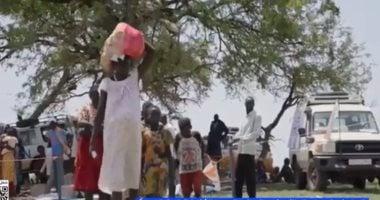
Sudanese Armed Forces Drone Strike Kills Civilians in Balila, Kurmuk, Blue Nile
Key Takeaways
- Intensified clashes erupt in Blue Nile and Kurmuk amid ongoing Sudanese war.
- Drone strikes contribute to civilian casualties and displacement in affected areas.
- Violence coincides with wider regional escalation and humanitarian deterioration, with limited aid access.
Drone strikes and displacement
Escalating violence in Sudan’s Blue Nile region and Omdurman has killed and injured civilians and displaced people as drone strikes and clashes between rival forces intensified across multiple war zones.
“The fighting fronts in Sudan are witnessing a wide-scale military escalation, as fierce clashes erupted in the Blue Nile region and in the states of the Kakrdofan”
The Sudan People’s Liberation Movement-North led by El Hilu (SPLM-N El Hilu) said that 10 civilians were killed and 20 others, mostly women and children, were injured in a drone strike by the Sudanese Armed Forces (SAF) on the Balila area in Kurmuk locality of Blue Nile state on Saturday.

A statement seen by Radio Dabanga said the bombing caused fires in shops at the Balila market, destroyed water sources, and killed an estimated number of livestock, while noting the area had previously been subjected to aerial bombardment targeting civilians and the local market.
Humanitarian conditions continued to deteriorate as aid access remained limited and calls grew for urgent international intervention, with Ali Hajo of the Blue Nile Civil Society Initiative saying areas affected by heavy military operations were experiencing “extremely difficult humanitarian conditions, with drone strikes claiming lives daily.”
The International Organisation for Migration (IOM) reported that 745 people were displaced last week from the village of El Kili in Kurmuk province due to worsening insecurity, moving to other areas within Kurmuk and to Damazin.
Clashes, evacuations, and UN warnings
Fighting renewed in the Blue Nile region on Tuesday after the Sudanese army repelled a wide assault launched by 'Tasis' forces on the strategic area of Saly, about 25 kilometers north of the city of Al-Karmak near the Ethiopian border.
Military sources said the attack began early in the morning in successive waves and that the army managed to repel four attempted breaches, while drones targeted retreating forces and inflicted further losses among them.
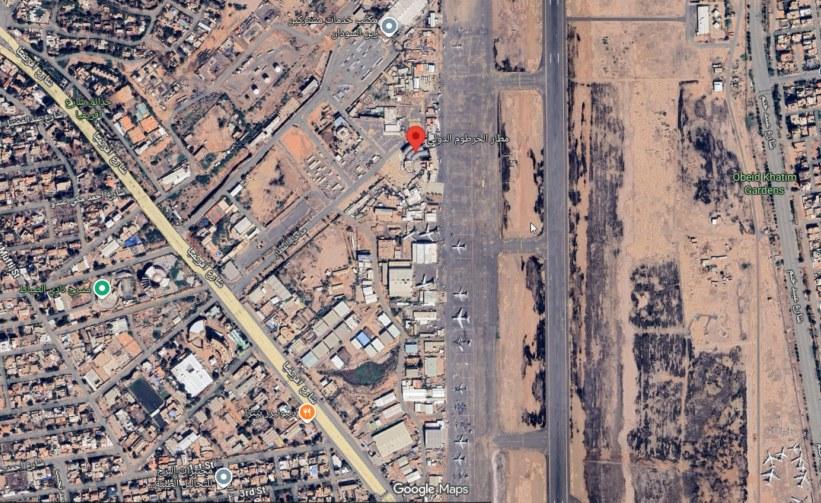
In the same wider arc of escalation, Blue Nile authorities evacuated about 3,000 displaced people from the al-Karmuk area to the city of Damazin after security conditions deteriorated around a temporary camp near the town of Sali.
The UN warned that the conflict is marked by “1,000 days of horrific violence, unimaginable suffering, and total impunity for the perpetrators of a long list of atrocities and war crimes,” with Rosemary DiCarlo telling the Security Council that no region in Sudan is safe from the threat of attack.
Edem Wosornu, Director of Operations and Advocacy at the UN Office for the Coordination of Humanitarian Affairs, said “Nearly three years have passed since the start of this war,” and described humanitarian needs as having worsened while violence shattered civilian lives.
Humanitarian crisis and stakes
As the war’s front lines fluctuated across North Darfur, North Kordofan, South Kordofan, and Blue Nile, the UN said the consequences for civilians and civilian infrastructure are severe and that any ceasefire must be anchored in a credible political process.
“In Sudan, a peace agreement was signed on August 31 in Juba, between the government and rebel groups”
Rosemary DiCarlo said “No region in Sudan is safe from the threat of attack,” and urged the Security Council to act in a unified manner while insisting that parties “must respect international humanitarian law and human rights.”
In the humanitarian sphere, Edem Wosornu said more than one million people are displaced in the Kordofan region according to the IOM, and that demand for vital services increased by 350% since the start of the conflict.
She added that 4.2 million children and pregnant or nursing women suffer from acute malnutrition, and that 130 humanitarian workers, almost all Sudanese, have been killed since the start of the conflict.
With fighting continuing to spread and drone warfare becoming a defining feature, the stakes for civilians remained immediate, as DiCarlo warned that it was “time to act to prevent atrocities like those committed elsewhere in the country from being repeated.”
More on Sudan
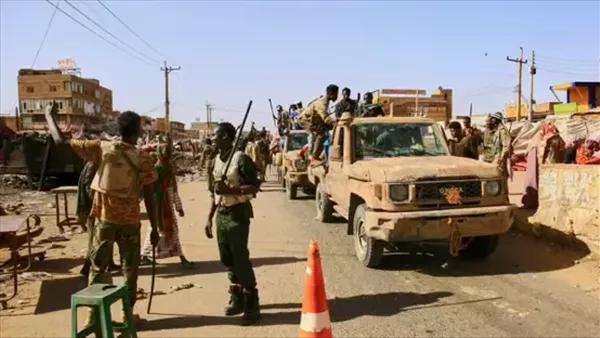
Sudan Accuses Ethiopia and UAE of Drone Strikes on Khartoum International Airport
20 sources compared
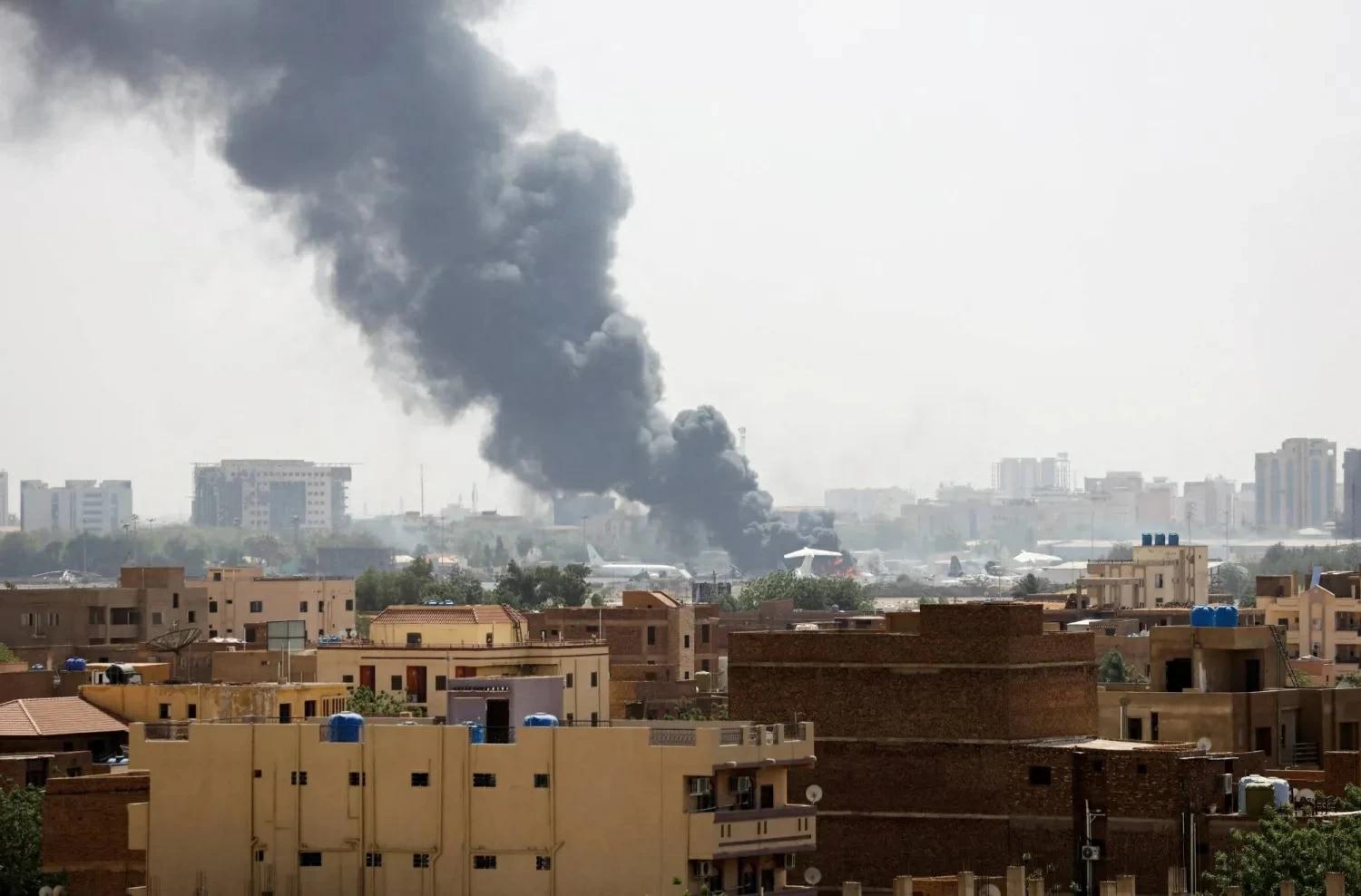
Sudan Accuses Ethiopia And UAE Of Drone Attacks On Khartoum Airport, Recalls Ambassador
19 sources compared
Sudan Accuses Ethiopia And UAE Of Orchestrating Drone Attacks On Khartoum Airport
19 sources compared

Sudan Accuses Ethiopia and UAE of Khartoum Airport Drone Strikes, Recalls Ambassador
14 sources compared