
Sudan Accuses Ethiopia and UAE of Khartoum Airport Drone Strikes, Recalls Ambassador
Key Takeaways
- Sudan recalls ambassador to Ethiopia amid drone-strike allegations.
- Ethiopia denies involvement in Khartoum drone strikes.
- Sudan accuses UAE of involvement in Khartoum airport attack.
Drone war accusations
Sudan and Ethiopia traded escalating accusations over drone attacks that Sudan says targeted Khartoum International Airport and other sites, with Sudan also accusing the United Arab Emirates of supplying the drones.
“Sudan has accused Ethiopia and the United Arab Emirates (UAE) of playing a role in the recent drone attacks on the country, warning that the aggression will not be “met with silence””
The BBC described fears in Khartoum after a drone attack near Khartoum International Airport, reporting that a drone fired four missiles at airport facilities and caused the suspension of flights scheduled to Port Sudan.

The BBC also said the Sudanese army accused both the UAE and Ethiopia of involvement and stated that the aircraft took off from Bahir Dar airport inside Ethiopian territory, while Addis Ababa denied involvement and called the accusation baseless.
In a separate account, Japan Today reported that Sudan announced it would recall its ambassador to Addis Ababa “for consultation” following drone strikes, and it quoted Sudan army spokesman Assim Awad saying drone attacks were being launched from Ethiopia in collaboration with the UAE.
Al Jazeera reported that Sudan recalled its ambassador from Ethiopia and warned the aggression would not be “met with silence,” while Ethiopia’s Foreign Ministry dismissed the allegations as “baseless.”
Across the reporting, the dispute is framed as part of a wider regional conflict that has engulfed Sudan since 2023 and has drawn in external actors, with Ethiopia facing multiple insurgencies across its territory, according to Japan Today.
Timeline and alleged launches
The reporting ties the latest accusations to a specific pattern of drone launches from Ethiopia’s Bahir Dar airport region, with Sudan presenting dates and technical claims while Ethiopia and the UAE deny involvement.
Japan Today said Sudan’s army spokesman Assim Awad Abdelwahab cited “conclusive evidence” that UAE-made drones launched from Ethiopia’s northeastern Bahir Dar airport region struck Sudanese army positions across several states on March 1 and 17, and that they also targeted sites in Khartoum since Friday, including Khartoum airport on Monday.

The Times of India similarly said Sudan’s military had evidence that four drone strikes since March 1 came from Ethiopia’s Bahir Dar airport and accused the UAE of supplying the drones, adding that the most recent attack came on Monday and targeted the airport in Sudan’s capital, Khartoum.
Al Jazeera reported that Sudan’s military said it has evidence that four drone attacks have been launched from neighbouring Ethiopia since early March, alleging that the UAE supplied the drones.
In the BBC account, Khartoum residents heard explosions to the east of Khartoum caused by a drone attack in the vicinity of Khartoum International Airport, and the BBC said eyewitnesses reported the drone fired four missiles at airport facilities.
Al-Monitor described Sudanese officials’ claims that drones—including the one that struck Khartoum International Airport—were launched from Bahir Dar Airport, and it stated that on March 17 one of the drones was shot down near the city of Al‑Ubayyid and was found to belong to the United Arab Emirates and had been used from within Ethiopian territory.
Voices and threats of response
The dispute is carried through direct statements by Sudanese officials, Ethiopian diplomats, and a TPLF representative, with the language shifting from accusations to threats of confrontation.
“Close Menu APAnews – African Press Agency Home Politics Economy Culture Sports Society Technology Coverage Area Maghreb ALGERIA EGYPT LIBYA MOROCCO MAURITANIA TUNISIA West Africa BENIN BURKINA FASO CÔTE D’IVOIRE CAP VERDE GAMBIA GHANA GUINEA GUINEA-BISSAU LIBERIA MALI NIGER NIGERIA SENEGAL SIERRA LEONE TOGO Central Africa CAMEROON CENTRAL AFRICAN REPUBLIC CONGO (DRC) CONGO (REPUBLIC) GABON EQUATORIAL GUINEA SAO TOMÉ-ET-PRINCIPE CHAD East Africa BURUNDI DJIBOUTI ERITREA ETHIOPIA UGANDA RWANDA SOMALIA SUDAN SOUTH SUDAN TANZANIA Southern Africa SOUTH AFRICA ANGOLA BOTSWANA COMOROS ESWATINI KENYA LESOTHO MADAGASCAR MALAWI MAURICE MOZAMBIQUE NAMIBIA SEYCHELLES ZAMBIA ZIMBABWE French | English | Español NEWS An interim Director General appointed at the Port of Abidjan May 5, 2026 | 23:28 Mali: Reopening of Labbezanga border post by the FAMa May 5, 2026 | 21:41 Rabat hosts the African Open Government Summit May 5, 2026 | 21:33 African Lion: searching for two missing U”
Japan Today quoted Sudan army spokesman Assim Awad as saying Sudan was ready to “enter into an open confrontation” with Ethiopia “if it becomes necessary,” after he told a press conference in Khartoum that drone attacks were being launched from Ethiopia in collaboration with the United Arab Emirates.
In the same Japan Today report, Ethiopia’s foreign ministry dismissed the allegations as “baseless,” and it accused Sudan of supporting “mercenaries” with the Tigray People’s Liberation Front, with the foreign ministry saying “Sudan is serving as a hub for various anti-Ethiopian forces.”
Al Jazeera included a statement from TPLF senior official Amanuel Assefa to AFP: “We have no connections with the Sudanese authorities.”
Al Jazeera also quoted the International Crisis Group’s Alan Boswell warning that Sudan’s accusation against Ethiopia marks a dangerous new phase, saying “Both countries … are facing massive internal challenges, and essentially, both sides now see the other as supporting their armed opponents,” and adding that “creates a very dangerous dynamic … and risks making their own internal challenges much worse”.
The BBC added a domestic dimension by quoting Safaa Al-Hadi in Khartoum, who said: “When we heard the sound of drone missiles, I felt fear and remembered the early days of the war in 2023.”
How outlets frame the same fight
While the core allegations revolve around drone strikes and claims of launch sites in Bahir Dar, the outlets differ in what they emphasize and how they characterize the dispute.
The BBC centers on the impact inside Khartoum, describing Safaa Al-Hadi’s fear in the Al-Sahafa district and reporting that a drone attack caused the suspension of flights scheduled to Port Sudan, while also detailing a “noticeable rise in military presence” and the deployment of regular forces and armed groups allied with the army in neighborhoods.
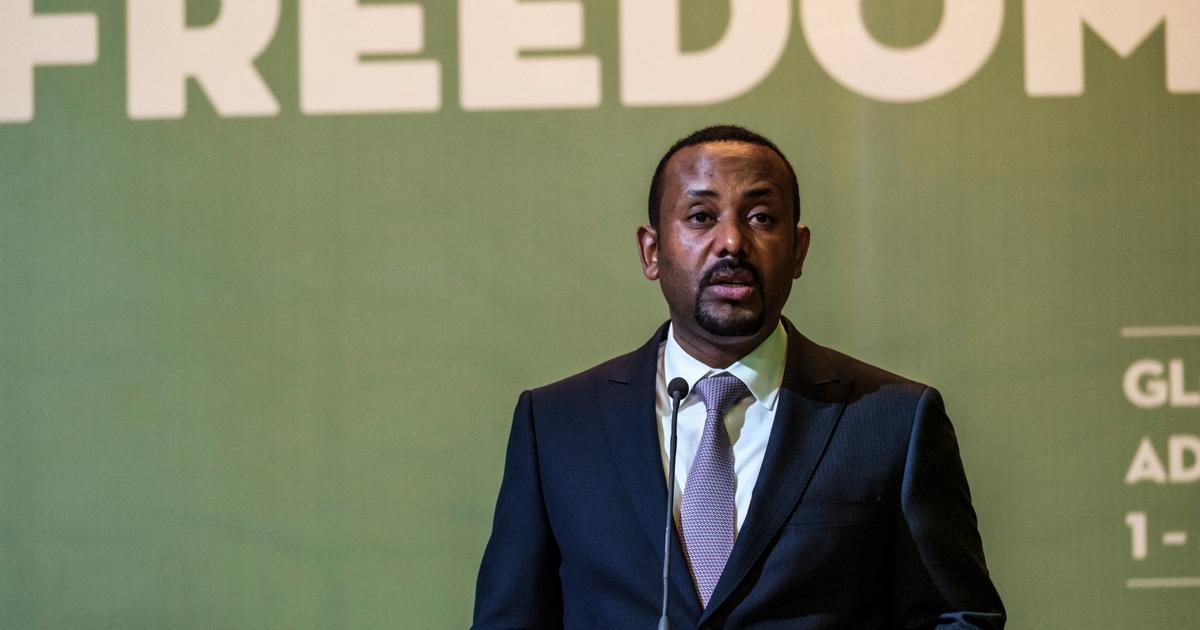
Japan Today foregrounds diplomatic escalation and the regional web of accusations, reporting that Ethiopia’s foreign ministry accused Sudan’s army of supporting “mercenaries” with the Tigray People’s Liberation Front and that Sudan announced it would recall its ambassador “for consultation.”
Al Jazeera frames the exchange as a warning of continued aggression, quoting Sudan’s warning that the aggression will not be “met with silence,” and it adds a broader humanitarian and analytical context by citing the UN’s description of the war as “the world’s worst humanitarian crisis” and quoting Alan Boswell on the “very dangerous dynamic.”
The Times of India emphasizes the military evidence narrative, stating that Sudan’s military had analyzed data and evidence from a drone that entered Sudanese airspace heading for El-Obeid in Kordofan state on March 17 and found that it originated from the United Arab Emirates and took off from Ethiopia.
Al-Monitor, meanwhile, links the drone dispute to the wider political and quasi-military confrontation involving the Tigray People’s Liberation Front, describing Ethiopia’s claim that Sudan provided weapons and financial support to TPLF mercenaries and noting that the Sudanese Armed Forces regained control of Khartoum in March 2025 after months of intense fighting.
What comes next
The sources describe immediate diplomatic and security consequences, alongside longer-term risks of regional spillover and continued drone warfare.
“Abiy Ahmed, the Ethiopian prime minister, continues his crusade against the independent press”
Japan Today reported that Sudan’s army-aligned foreign minister Mohieddin Salem said his country was ready to “enter into an open confrontation” with Ethiopia “if it becomes necessary,” while Ethiopia dismissed the allegations as “baseless” and said it had exercised restraint from disclosing “serious violations” affecting its territorial integrity and national security, according to the Sudan Horizon account and other reporting.
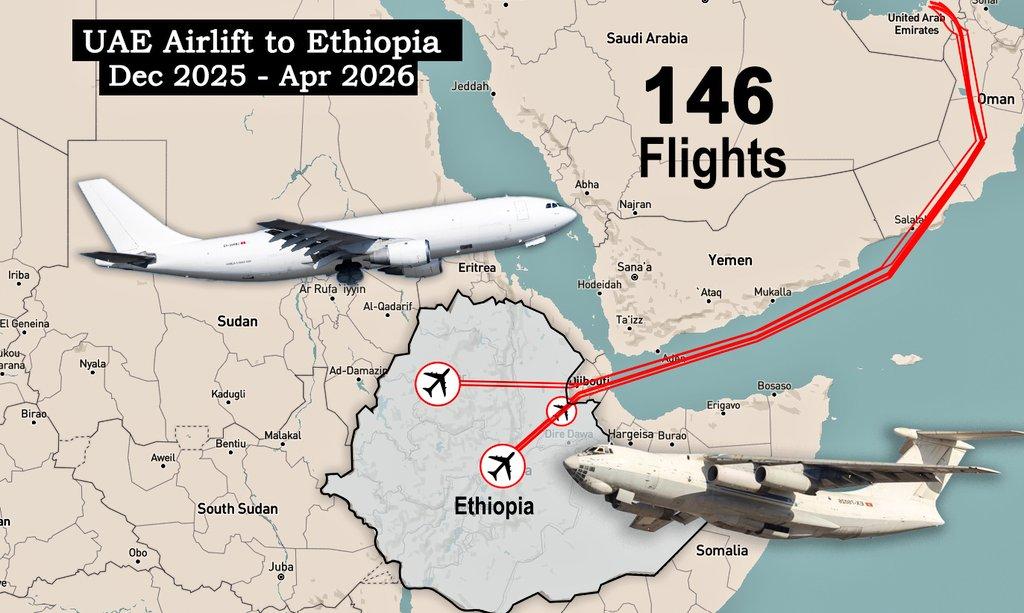
The Al-Monitor account said Sudan had summoned its ambassador to Ethiopia for consultations about the incidents, and it quoted Abd al-Wahab saying: “What Ethiopia and the United Arab Emirates have done is direct aggression against Sudan, and this will not be met with silence,” with the Sudanese state news agency (SUNA) carrying the remarks.
The BBC described how Khartoum residents had begun reclaiming part of their normal life after the army returned to retake the capital at the end of March last year, but it said security concerns again cast a shadow after a string of drone attacks targeted sites inside the state and after a rise in military presence.
Al Jazeera reported that Sudan’s ambassador recall followed an attack on Khartoum International Airport that forced authorities to suspend operations for three days, and it warned that the renewed wave shattered months of relative calm in the capital.
In the broader regional framing, Al Jazeera quoted Alan Boswell warning that the suspicion between Ethiopia and Sudan “creates a very dangerous dynamic … and risks making their own internal challenges much worse,” and it said outside backers including the UAE were part of the risk.
More on Sudan
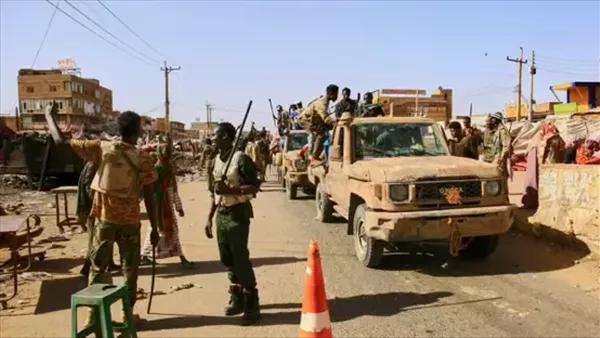
Sudan Accuses Ethiopia and UAE of Drone Attacks on Khartoum Airport, Recalling Ambassador
16 sources compared
Sudan Recalls Ambassador to Ethiopia After Drone Strikes on Khartoum International Airport
43 sources compared
RSF Drone Strikes Kill Civilians Across Sudan, UN Rights Chief Volker Türk Says
19 sources compared
UNESCO Honors Sudanese Journalists Syndicate With Guillermo Cano World Press Freedom Prize
35 sources compared