Sudan Accuses Ethiopia and UAE of Drone Attacks on Khartoum Airport, Recalling Ambassador
Key Takeaways
- Sudan recalls ambassador to Ethiopia over drone attack on Khartoum airport.
- Sudan cites Ethiopia-UAE orchestrating drone attacks on Khartoum airport.
- Drone strikes hit Khartoum airport and military installations in Greater Khartoum.
Drone strikes spark row
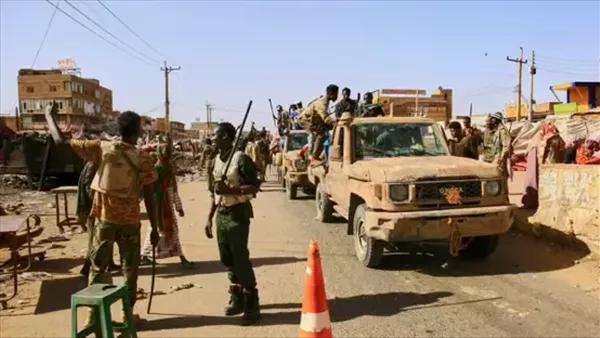
Sudan’s government and military accused Ethiopia and the United Arab Emirates (UAE) of being behind recent drone attacks that targeted sites including Khartoum’s main airport, escalating a diplomatic dispute as Sudan’s civil war continues.
“Sudan has accused Ethiopia and the United Arab Emirates (UAE) of playing a role in the recent drone attacks on the country, warning that the aggression will not be “met with silence””
The dispute followed claims by Sudan’s armed forces that drone attacks targeting sites including Khartoum’s main airport and locations in western and central Sudan on Monday “originated from Ethiopian territory,” as Ethiopia rejected the accusations.

Sudan “recalled its ambassador to Ethiopia following the escalation,” while Ethiopia’s foreign ministry said it “rejects (the) baseless accusations” made during a joint press conference by Sudan’s Armed Forces, Foreign Minister and military spokesperson.
In a statement, Ethiopia dismissed the allegations as “unfounded and politically motivated,” while accusing Sudan’s military leadership of attempting to “externalise its internal conflict.”
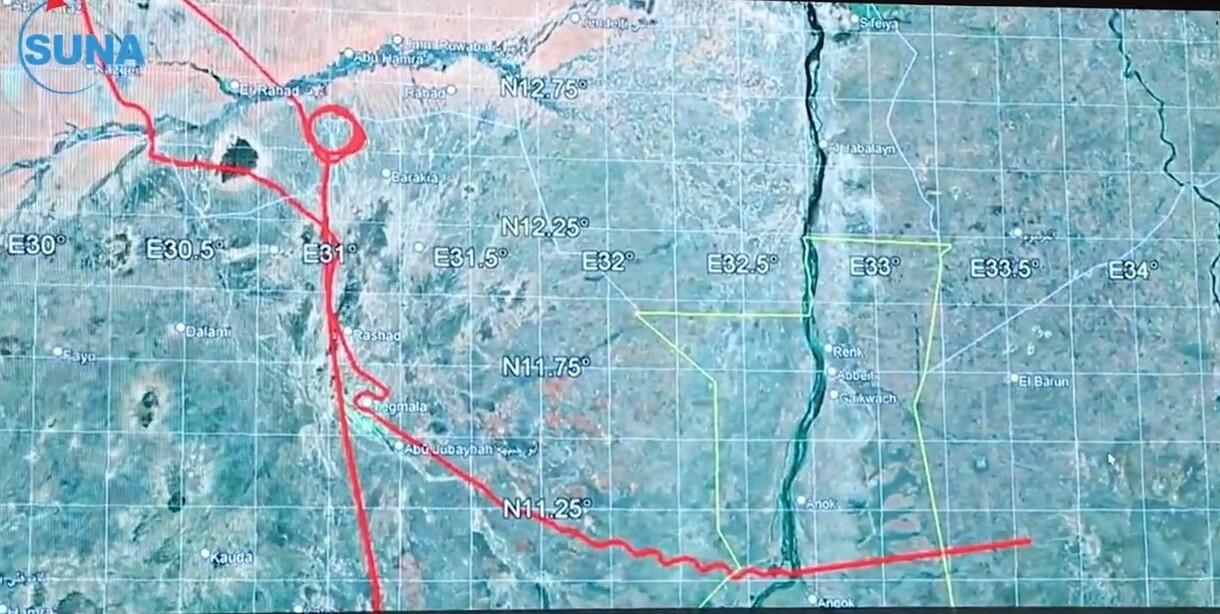
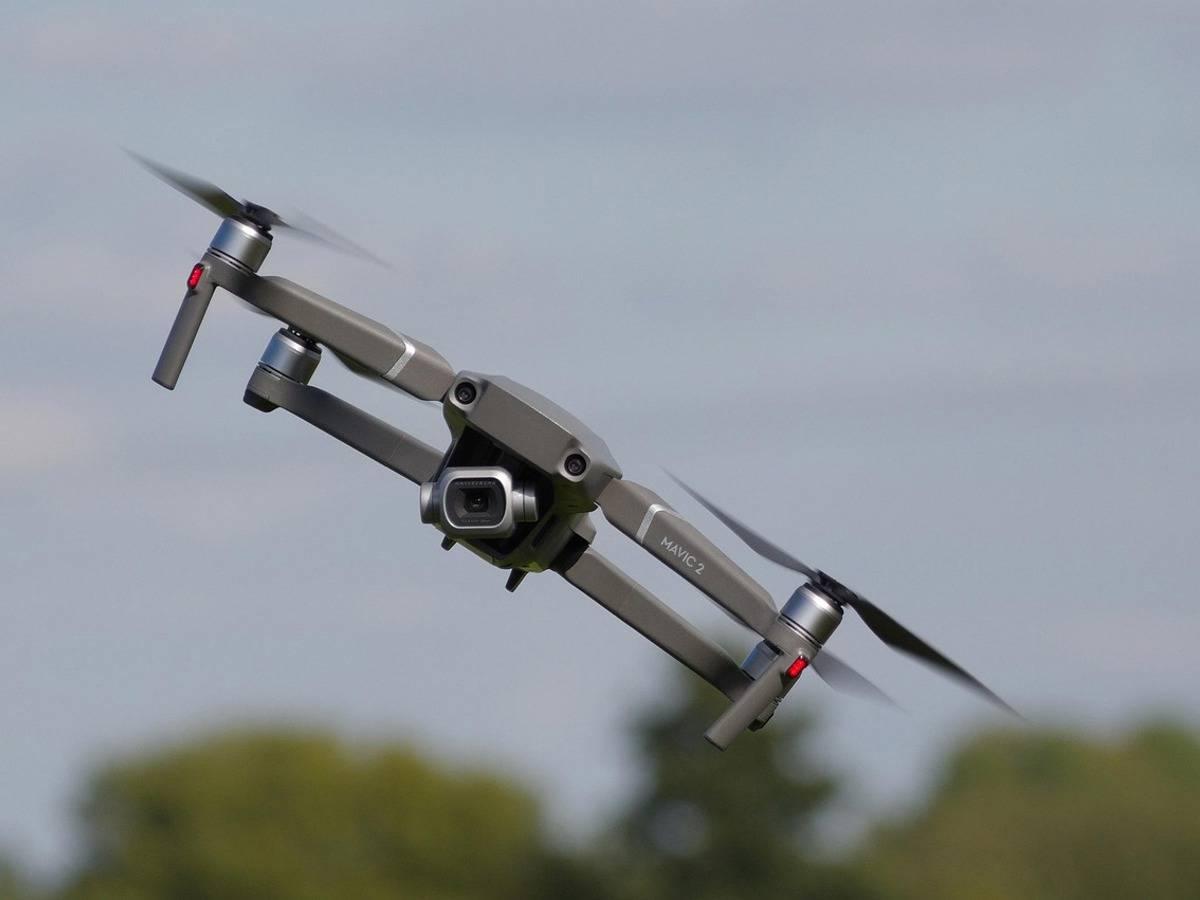
Sudan’s military spokesperson said the government had evidence of “four drone strikes since March 1 originating from neighboring Ethiopia’s Bahir Dar airport,” and Sudan also accused the UAE of supplying the drones.
The Monday attack targeted the airport in Sudan’s capital, Khartoum, and the BBC reported that Sudan described the assault as “direct aggression,” while the information ministry told Reuters that “No-one was wounded in the attack.”
The BBC also reported that the authorities were forced to announce a “72-hour suspension of operations at the airport following the attacks,” and that the airport would return to operations after routine safety procedures.
Timeline and alleged origins
Sudan’s accusations were built around a timeline that began with drone strikes “since March 1,” with Sudan’s military spokesperson linking multiple attacks to Ethiopia’s Bahir Dar airport.
AP reported that a military spokesperson said the government had evidence of “four drone strikes since March 1 originating from neighboring Ethiopia’s Bahir Dar airport,” and it added that an attack on Monday targeted Khartoum airport.
The BBC said Sudan’s army had “conclusive evidence” that the drones were launched from “Bahir Dar airport in Ethiopia,” and it described how Sudanese military officials first accused the RSF of air attacks launched from inside Ethiopian territory in March.
In the BBC account, a Sudanese army spokesman alleged that the army had connected “another drone, launched from the same airport, to Monday's attack,” after tracking a drone identified as Emirati property that entered Sudanese airspace from Ethiopia and was shot down.
Al Jazeera reported that Sudan’s military said it has evidence that “four drone attacks have been launched from neighbouring Ethiopia since early March,” and it said Sudan alleged that the UAE supplied the drones.
Middle East Eye said Sudan’s army chief General Abdel Fattah al-Burhan told it that his forces were prepared to defend Sudan after drones allegedly launched from Ethiopia struck Khartoum airport “five times on Monday,” and it quoted Burhan saying, “If we confirm following investigations that the drones came from Ethiopia, we will take the necessary steps to keep Sudanese land and the Sudanese nation protected, in coordination with the international community.”
The same Middle East Eye report said Sudanese intelligence sources described a “heavy deployment” to Blue Nile state, which borders Ethiopia, and al-Fashaga, a disputed area between the two countries.
Ethiopia and UAE deny; Sudan threatens response
Ethiopia rejected Sudan’s accusations and framed them as politically motivated, while also accusing Sudan of supporting rebels in Ethiopia’s northern Tigray region.
“Sudan accuses Ethiopia and UAE of orchestrating drone attacks on airport Sudan has accused neighbouring Ethiopia and the United Arab Emirates (UAE) of orchestrating drone strikes on its main airport, describing the assault as "direct aggression"”
The Eastleigh Voice reported that Ethiopia dismissed the allegations as “unfounded and politically motivated,” while accusing Sudan’s military leadership of attempting to “externalise its internal conflict.”
AP said Ethiopia’s foreign ministry issued a statement saying it “rejects (the) baseless accusations,” and it added that Ethiopia accused Sudan of violating its territorial integrity by supporting rebels in the northern Tigray region.
The Eastleigh Voice quoted Ethiopia’s ministry saying, “Ethiopia rejects the latest baseless accusations made against it during the joint press conference by the Sudanese Armed Forces, Foreign Minister and military spokesperson,” and it also said Ethiopia accused Sudan’s military of enabling armed groups described as “mercenaries.”
In that account, Ethiopia said, “The Ethiopian Government has exercised restraint and refrained from publicising the grave violations of Ethiopia’s territorial integrity and national security committed by some belligerents in the Sudanese civil war,” and it added that “The Sudanese Armed Forces have also provided arms and financial support to these mercenaries.”
Sudan’s response language was more confrontational, with AP quoting Sudan’s Foreign Minister Mohi al-Din Salem saying, “We do not want to initiate aggression against any country, but whoever attacks us will be met with a response.”
The UAE’s position was also presented as denial and rebuttal, with the Grand Junction Daily Sentinel quoting a UAE official saying, “The UAE notes this marked increase in unfounded accusations and deliberate propaganda... which actively undermines efforts to end the conflict and restore stability.”
Voices, evidence claims, and reactions
Multiple named officials and organizations described the drone attacks and the dispute, with Sudan’s military and foreign ministry emphasizing evidence while Ethiopia and the TPLF rejected the framing.
AP reported that Army spokesman Brig. Gen. Asim Awad Abdelwahab told a press conference on Tuesday that Sudan had analyzed data and evidence from a drone that entered Sudanese airspace heading for El-Obeid in Kordofan state on March 17 and found that it had originated from the UAE and took off from Ethiopia.
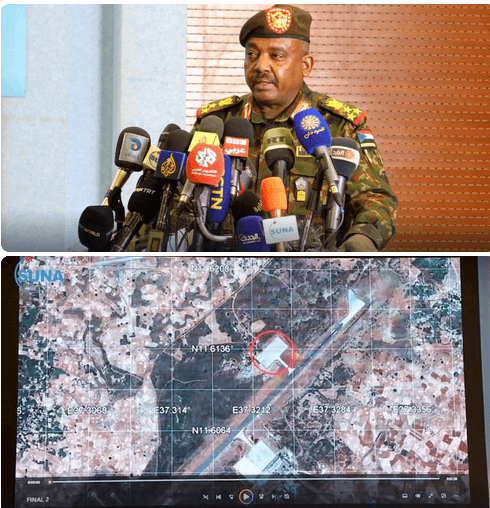
AP also quoted Sudan’s Foreign Minister Mohi al-Din Salem saying, “We do not want to initiate aggression against any country, but whoever attacks us will be met with a response,” and it described how Ethiopia’s foreign ministry accused Sudan of violating its territorial integrity by supporting rebels in northern Tigray while saying it had exercised restraint from publicizing the violations.
Al Jazeera included a direct response from a senior official with the TPLF, Amanuel Assefa, who told AFP: “We have no connections with the Sudanese authorities.”
Al Jazeera also quoted Amanuel Assefa saying the government was blaming everyone “but themselves for their failures.”
Middle East Eye quoted Sudanese Foreign Minister Mohieddin Salem saying his government would file international complaints against Ethiopia and the UAE, and it quoted Salem telling the press conference, “Ethiopia and the UAE have repeatedly practised these violations against Sudan, and we have the right to react – and they know that when we say it, we mean it.”
The Grand Junction Daily Sentinel added a UAE rebuttal through an official who said the accusations were “unfounded” and “deliberate propaganda,” and it quoted the UAE official saying the statements were intended “to prolong the war and obstruct a genuine peace process.”
Consequences and stakes for the region
The drone attacks and the diplomatic escalation were presented as part of a wider pattern of regional destabilization, with multiple outlets describing how the conflict’s drone warfare has shattered periods of relative calm and drawn in external actors.
“By Ashraf Abdelaziz for Radio Dabanga Sudanese-Ethiopian relations have reached a dangerous turning point, following explicit accusations by the Sudanese army that Addis Ababa was involved in drone attacks targeting Khartoum, apparently launched from Bahir Dar Airport”
AP said the gradual reopening last year of Sudan’s airport marked a key step in efforts to restore normal life in Khartoum, with ministries and “millions of people starting their return back to the capital and surrounding states,” and it cited the UN migration agency saying “around 4 million people have returned back to Sudan.”
AP also described how Khartoum was considered largely safe until a string of attacks shattered the sense of calm in the capital and central Sudan, including a drone strike on Saturday in Omdurman that killed five people in a civilian bus and another strike the following day in Al Jazirah that killed relatives of Abu Agla Kaikal.
The BBC said recent drone strikes had “shattered a period of relative calm in Khartoum,” and it reported that the airport would return to operations after routine safety procedures, while also noting that no-one was wounded in the attack.
Al Jazeera described the war as the “world’s worst humanitarian crisis,” and it said the UN estimated “more than 150,000 people are estimated to have been killed” and “about 14 million have been displaced.”
Al Jazeera quoted Alan Boswell, the Horn of Africa director at the International Crisis Group (ICG), warning that Sudan’s accusation against Ethiopia marks “a dangerous new phase in a conflict already destabilising the region,” and it quoted Boswell saying, “Both countries … are facing massive internal challenges, and essentially, both sides now see the other as supporting their armed opponents,” and that this “creates a very dangerous dynamic … and risks making their own internal challenges much worse.”
In the Middle East Eye account, Sudanese intelligence sources said the SAF and its Joint Forces allies were preparing a “heavy deployment” to Blue Nile state and al-Fashaga, and the report said the prospect of an outright confrontation between the two nations grows as relations deteriorate.
More on Sudan

Sudan Accuses Ethiopia and UAE of Khartoum Airport Drone Strikes, Recalls Ambassador
14 sources compared
Sudan Recalls Ambassador to Ethiopia After Drone Strikes on Khartoum International Airport
43 sources compared
RSF Drone Strikes Kill Civilians Across Sudan, UN Rights Chief Volker Türk Says
19 sources compared
UNESCO Honors Sudanese Journalists Syndicate With Guillermo Cano World Press Freedom Prize
35 sources compared