Sudan Recalls Ambassador to Ethiopia After Drone Strikes on Khartoum International Airport
Key Takeaways
- Sudan recalls ambassador to Ethiopia after drone strikes hit Khartoum airport.
- Sudan accuses Ethiopia and the UAE of involvement in the attacks.
- Sudan says it is ready to respond and enter open confrontation.
Drone strikes and recall
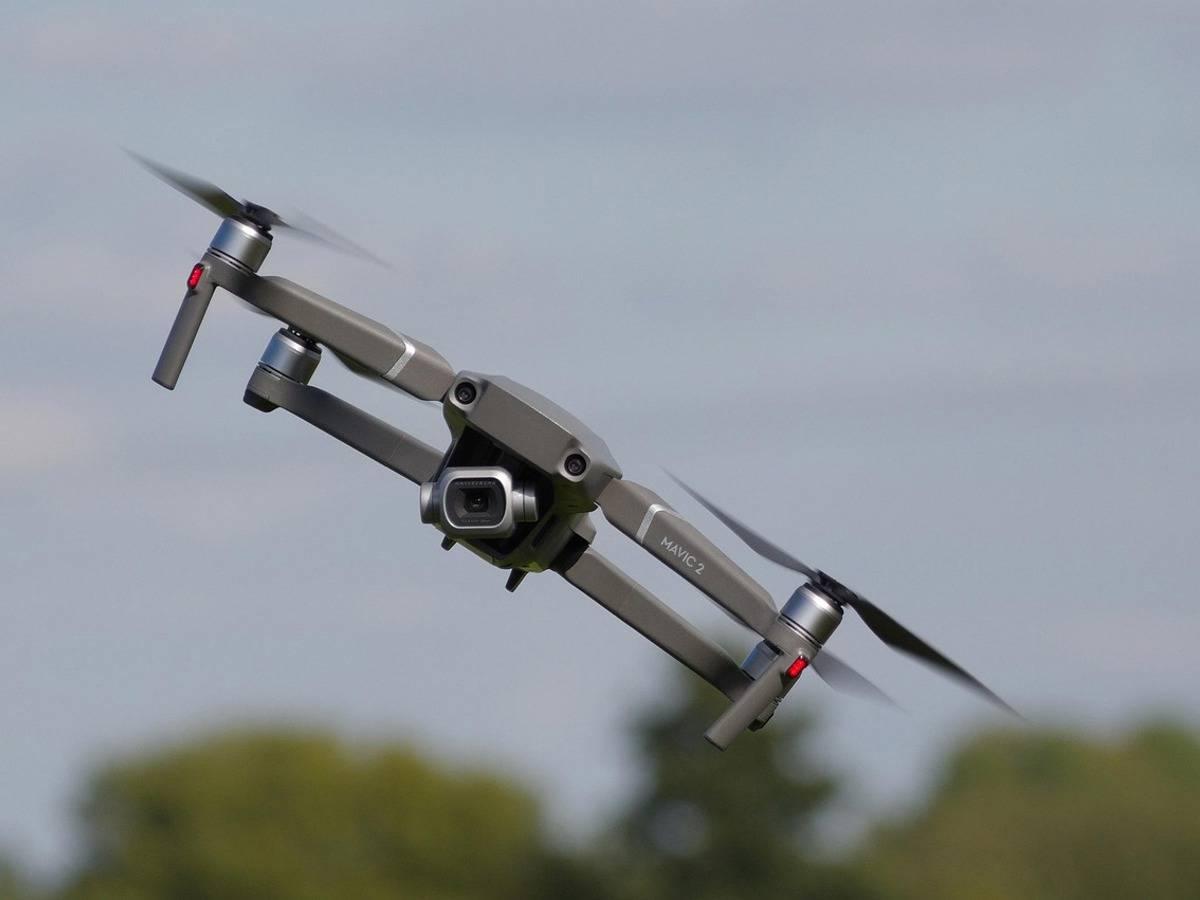
Sudan recalled its ambassador to Ethiopia after accusing Addis Ababa of launching drone attacks that struck Khartoum International Airport and other sites on Monday, escalating a dispute between the two neighbors amid Sudan’s civil war.
Sudanese Foreign Minister Mohi El-Din Salem said in a statement on Tuesday that the ambassador was being called back for consultations, adding that Sudan is “ready to enter into an open confrontation with Ethiopia,” according to News.Az citing Xinhua.
Salem said, “The drones that attacked Sudanese facilities yesterday (Monday) were launched from Ethiopia’s Bahir Dar Airport,” and he added that Sudan has the legal right to respond to what he described as “aggression” in any manner it sees fit.
“We do not seek to initiate aggression against any country, but whoever attacks us will be responded to,” Salem said.
The Eastleigh Voice reported that Sudan’s Foreign Minister Mohi El-Din Salem said the ambassador would be recalled for consultations and that his country is “ready to enter into an open confrontation with Ethiopia.”
The same outlet quoted Salem saying, “The drones that attacked Sudanese facilities yesterday (Monday) were launched from Ethiopia's Bahir Dar Airport,” and it also quoted the Sudanese Armed Forces spokesperson Asim Awad Abdelwahab saying the armed forces “will respond twice as hard.”
In parallel, the Ministry of Culture and Information said no casualties or material damage were reported, and authorities evacuated airport personnel and closed the airport for 72 hours as a precaution, with air traffic set to resume once safety procedures were completed.
Evidence and escalation timeline
Sudan’s accusations were tied to a longer timeline of drone incidents that Sudanese officials said began with launches from Ethiopia’s Bahir Dar Airport and expanded to attacks across Sudan.
The Eastleigh Voice and News.Az both described Monday’s strikes as targeting Khartoum International Airport and military sites in the capital, with explosions and plumes of smoke reported in Khartoum.
News.Az said the statements followed drone strikes targeting Khartoum International Airport and military installations in the capital on Monday, and it added that “The drones that attacked Sudanese facilities yesterday (Monday) were launched from Ethiopia’s Bahir Dar Airport.”
The Eastleigh Voice added that the attacks also targeted the vicinity of the Signal Corps in Bahri, north of the capital, as well as the Al-Markhiyat camp north of Omdurman, while “no confirmed information on the extent of losses” was available.
The المنصة outlet reported that starting in March, three drones took off from Ethiopia’s Bahir Dar airport on hostile sorties, and it said that on March 17 Sudanese air defenses downed one of the drones.
The same outlet stated that analysis of the downed drone’s data showed it was owned by the UAE and had been used from inside Ethiopian territory to attack sites in North and South Kordofan.
It also said another drone took off from the same airport on May 1 and targeted Khartoum airport and other areas before being intercepted.
The Hindu similarly said a military spokesperson stated the government had evidence that four drone strikes since March 1 came from Ethiopia’s Bahir Dar airport and that Sudan accused the United Arab Emirates of supplying the drones.
Burhan, Salem, and counterclaims
Sudanese leaders and military spokespeople used Monday’s drone strikes to justify a confrontational posture toward Ethiopia and to accuse the UAE of involvement, while Ethiopia rejected the allegations and framed Sudan’s claims as violations of Ethiopia’s territorial integrity.
Middle East Eye quoted Sudanese army chief General Abdel Fattah al-Burhan saying, “If we confirm following investigations that the drones came from Ethiopia, we will take the necessary steps to keep Sudanese land and the Sudanese nation protected, in coordination with the international community,” after drones allegedly struck Khartoum airport five times on Monday.
Middle East Eye also reported that a Sudanese intelligence source said the SAF and its Joint Forces allies were preparing a “heavy deployment” to Blue Nile state and al-Fashaga.
At a joint press conference in Khartoum at midnight on Monday, Middle East Eye quoted SAF spokesman Brigadier General Asim Awad Abdelwahab saying, “We have strong and hard evidence proving the involvement of Ethiopia and UAE in this aggression against Sudan, which represents a violation of our sovereignty and of international laws.”
Middle East Eye quoted Foreign Minister Mohieddin Salem saying, “Ethiopia and the UAE have repeatedly practised these violations against Sudan, and we have the right to react – and they know that when we say it, we mean it,” and it said Salem told the press conference that his government would file international complaints against Ethiopia and the UAE.
Ethiopia’s response, as reported by the المنصة outlet, was to deny the allegations and say it had refrained from publishing “grave violations committed by Sudan against Ethiopia’s national security out of respect for friendship.”
Ethiopia’s Foreign Ministry statement, quoted in the same outlet, said the violations included “the extensive use” of mercenaries affiliated with the Tigray People’s Liberation Front and the Sudanese Armed Forces’ provision of “arms and financial support” to them.
The allAfrica report likewise said Ethiopia accused Sudanese Armed Forces and Sudan’s military government of providing support to “TPLF mercenaries” and violating Ethiopia’s territorial integrity, and it said the Sudanese Foreign Minister had stated his country was “ready to enter into an open confrontation with Ethiopia.”
How outlets frame the same event
While the core facts of Sudan’s recall and its accusations against Ethiopia and the UAE were consistent across outlets, the way each publication framed the incident varied, especially around the scale of damage, the specificity of evidence, and the emphasis on regional spillover.
News.Az, citing Xinhua, focused on Sudan’s diplomatic step and the language of confrontation, reporting that Salem said Sudan is “ready to enter into an open confrontation with Ethiopia” and that the drones were launched from Ethiopia’s Bahir Dar Airport.

It also said Sudan’s Ministry of Culture and Information reported “no casualties or material damage were reported,” and it described the airport being closed for 72 hours as a precaution.
The Eastleigh Voice similarly highlighted the recall and quoted Salem’s “ready to enter into an open confrontation with Ethiopia” line, but it also included the specific airport closure measure and the claim that “Authorities evacuated airport staff and decided to close the airport for 72 hours as a precautionary measure.”
In contrast, the المنصة outlet framed the incident as a risk of “wider regional spillover from Sudan’s civil war,” and it connected the drone accusations to claims about foreign backing for Sudan’s rivals prolonging the conflict.
The المنصة account also provided a detailed escalation timeline, including that on March 17 air defenses downed a drone and that on May 1 another drone targeted Khartoum airport before being intercepted.
The Hindu framed the story around the Sudanese government’s evidence and the recall, stating that a military spokesperson said there was evidence that “four drone strikes that have happened since March 1 came from Ethiopia's Bahir Dar airport” and that Sudan accused the UAE of supplying the drones.
Middle East Eye, meanwhile, emphasized the operational and political stakes by reporting Burhan’s comments and describing alleged drone strikes on Khartoum airport “five times on Monday,” as well as the “heavy deployment” preparation to Blue Nile state and al-Fashaga.
Consequences and next steps
The immediate consequences described by Sudanese authorities included airport disruptions, evacuations, and a stated readiness to respond to what Sudan called “aggression,” while the longer-term consequences in the reporting centered on fears of escalation and the possibility of international complaints.
“Khartoum (Fides News Agency) – Following mutual accusations between Sudan and Ethiopia, Sudan recalled its ambassador from the Ethiopian capital, Addis Ababa”
News.Az said authorities evacuated airport personnel and closed the airport for 72 hours as a precaution, with officials saying air traffic will resume once safety procedures are completed.

It also reported that the attacks struck areas near the Signal Corps in Bahri, north of Khartoum, and the Al-Markhiyat camp north of Omdurman, while there was “no confirmed information on the extent of any damage.”
The Eastleigh Voice similarly described the airport being closed for 72 hours and said “air traffic would resume normally once routine procedures are completed,” while also stating that “No casualties or damage were reported, according to the press office of Sudan's Ministry of Culture and Information.”
Beyond the immediate operational response, Sudanese officials threatened retaliation in explicit terms, with News.Az quoting Abdelwahab saying the military “will respond twice as hard.”
Middle East Eye reported that Salem said his government would file international complaints against Ethiopia and the UAE, and it quoted Salem’s line that “we have the right to react – and they know that when we say it, we mean it.”
Ethiopia’s counter-narrative, as reported by the المنصة outlet, accused Sudan of supporting TPLF-linked mercenaries and framed Sudan’s allegations as undertaken at the behest of external patrons.
The allAfrica report added that Ethiopia accused Sudanese Armed Forces of providing support to “TPLF mercenaries” and violating Ethiopia’s territorial integrity, reinforcing a cycle of mutual accusations that could shape the next phase of the dispute.
More on Sudan

Sudan Accuses Ethiopia and UAE of Khartoum Airport Drone Strikes, Recalls Ambassador
14 sources compared
Sudan Accuses Ethiopia and UAE of Drone Attacks on Khartoum Airport, Recalling Ambassador
16 sources compared
RSF Drone Strikes Kill Civilians Across Sudan, UN Rights Chief Volker Türk Says
19 sources compared
UNESCO Honors Sudanese Journalists Syndicate With Guillermo Cano World Press Freedom Prize
35 sources compared