Full Analysis Summary
Sudan: tribes on social media
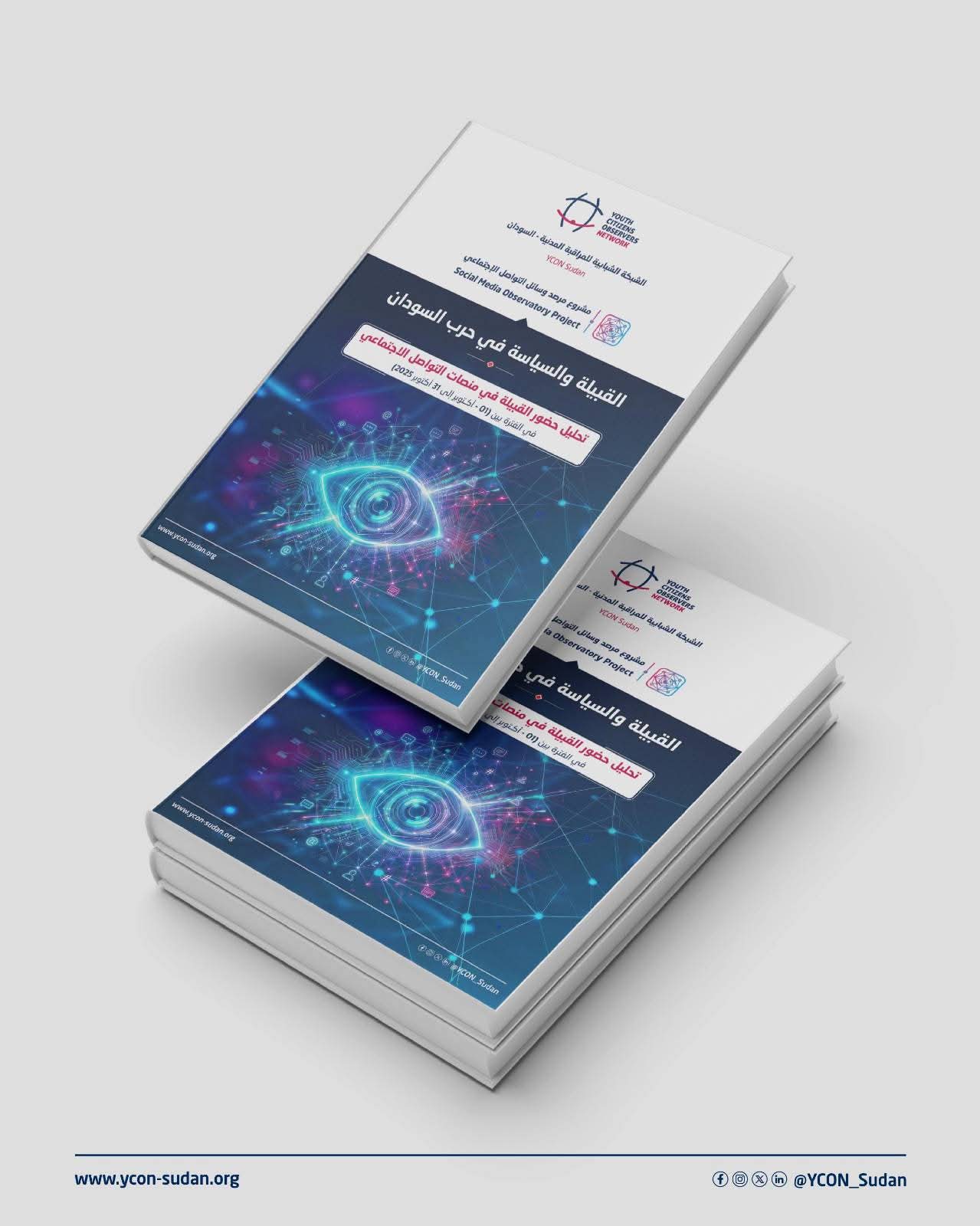
A new report from the Youth Citizens Observers Network (YCON) Social Media Observatory finds that the April 2023 Sudan war turned social platforms into a politicized battleground where tribal identity became a central digital political actor.
YCON analyzed more than 22,000 Facebook, TikTok and X posts from October 2025.
Their analysis shows 83.3% of tribal content appeared in explicitly political contexts.
It also found 78% of tribal content was tied to war events such as mobilization, rallies and the visibility of tribal leaders.
These findings portray tribes moving from social markers into organized digital political actors amid the conflict.
Coverage Differences
Narrative alignment/duplication
Both sources—Dabanga Radio TV Online (Other) and Radio Dabanga (Other)—report the same YCON statistics and narrative: that tribal identity has become a central digital political actor in the Sudan war. There is no substantive contradiction; both outlets cite identical percentages (83.3% and 78%) though Radio Dabanga phrases examples slightly differently ("mobilization, rallying, public stances, and activity by tribal leaders"). Both are reporting YCON’s findings rather than expressing independent editorial claims.
Tribal identity in conflict politics
YCON's report emphasizes how tribal identity is being used as a tool for political mobilization and public opinion shaping, shifting tribes from social groups to political actors.
The report links this trend to wartime events such as mobilization, rallies, and political declarations, and highlights the increased visibility and activity of tribal leaders on social platforms.
This signals that digital tribal discourse now functions as an instrument in the conflict's political dynamics.
Coverage Differences
Tone and wording
Both sources relay the same substantive point about tribes being used for political mobilization, but Dabanga Radio TV Online frames it as "shifting from a social to a political role," while Radio Dabanga lists similar manifestations ("mobilization, rallying, public stances")—a minor difference in phrasing rather than substance. Both are reporting YCON’s assessment rather than asserting their own analytical conclusions.
Ethnicized online rhetoric
A report finds pervasive hostile rhetoric in tribal-content posts, with 82% including tribalism, dehumanization, demonization, incitement to violence, or insults based on lineage, color, or origin.
YCON's qualitative analysis shows online narratives increasingly reframe the Sudan war as a conflict between population groups rather than mainly between political or military factions, heightening ethnicized perceptions and the risk of violence driven by group identity.
Coverage Differences
Emphasis on severity
Both sources present the same statistic (82%) and the same categories of hostile rhetoric. Neither source downplays the severity; both report YCON’s language about "dehumanization," "demonization," and "incitement to violence." There is no divergence in factual content; both outlets are reporting YCON’s findings and quotes about hate speech prevalence.
Digital tribal rhetoric in Sudan
YCON findings imply urgent needs for monitoring and intervention.
Digital platforms have become vectors for mobilizing group identities and for spreading dehumanizing discourse that can translate into real-world violence.
Both Dabanga Radio TV Online and Radio Dabanga present the report’s conclusions as a warning that online tribal rhetoric is reshaping public perceptions of the war and increasing the risk that the conflict will be seen—and fought—as a struggle between population groups.
The outlets do not offer divergent policy prescriptions; instead, they both amplify YCON’s call for awareness of the digital dynamics fueling tribal incitement and racism in Sudan’s protracted conflict.
Coverage Differences
Omission / lack of divergent prescriptions
Both sources report YCON’s warning and implications similarly and do not provide distinct policy responses or alternative analyses; this is an omission of prescriptive diversity rather than a contradiction. Both are "Other" type outlets relaying YCON’s assessment without adding separate editorials or countervailing data.