Full Analysis Summary
Famine risk in Darfur
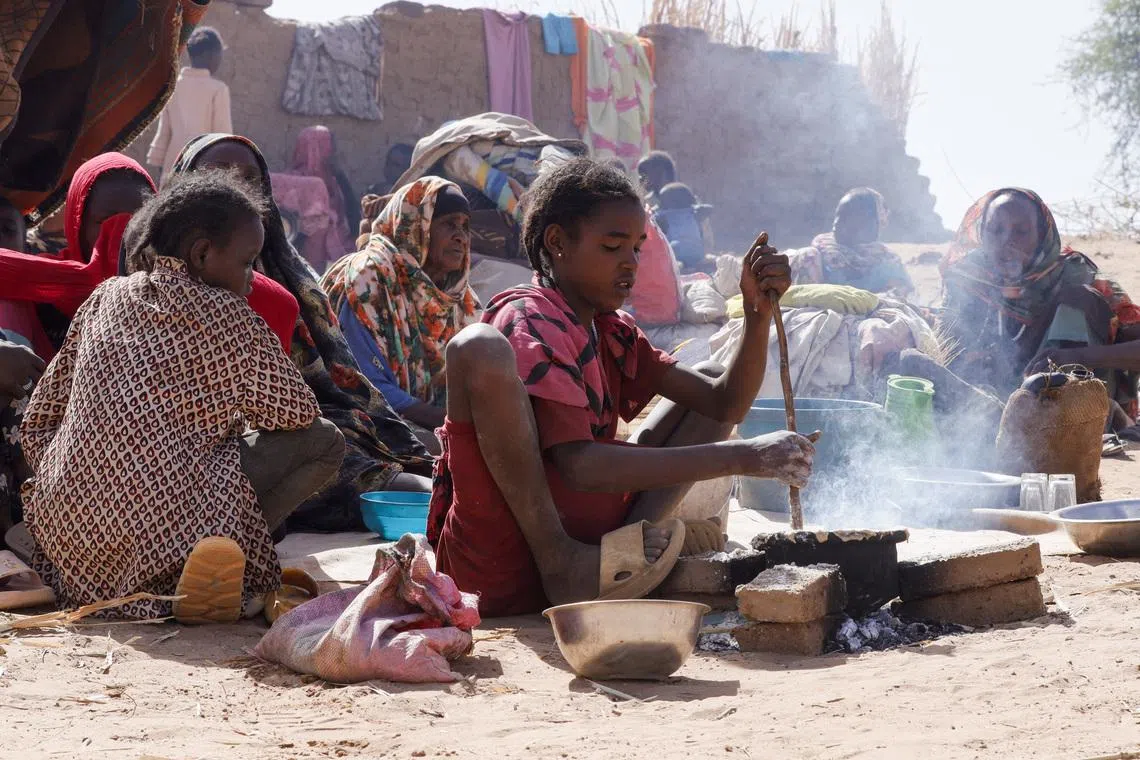
UN-backed food security experts and the Integrated Food Security Phase Classification (IPC) warn that famine conditions are spreading in Sudan’s Darfur region amid the civil war between the army and the Rapid Support Forces (RSF).
The IPC said malnutrition thresholds have been surpassed in contested areas of North Darfur, including Um Baru and Kernoi, signalling an increased risk of excess deaths.
The broader conflict has left millions hungry, displaced and cut off from aid.
Across Sudan roughly 21 million people now face acute food insecurity.
The fighting that began in April 2023 has effectively split control of the country between the army and the RSF, intensifying humanitarian need in RSF-held Darfur and neighbouring areas.
Coverage Differences
Tone and emphasis
Digital Journal (Western Mainstream) foregrounds the IPC famine warning and national food insecurity figures and highlights displacement and reports of atrocities, while The Straits Times (Asian) stresses specific malnutrition metrics and the IPC’s formal threshold language; Al Jazeera (West Asian) frames the crisis in terms of territorial control and ongoing combat operations that have divided the country and worsened access. Each source therefore emphasizes different entry points to the same humanitarian crisis: famine risk (Digital Journal), technical nutrition thresholds and trends (The Straits Times), and active conflict and territorial split (Al Jazeera).
North Darfur malnutrition alert
The IPC identified Um Baru and Kernoi in North Darfur as locations where malnutrition thresholds have been surpassed, an alert that signals extreme hunger though it is not a formal famine declaration.
In Um Baru, the IPC and aid reports say children have little access to treatment.
In Kernoi, only about 25% of affected children are enrolled in nutrition programmes.
The Straits Times reports that under-five malnutrition in Um Baru is nearly double the famine threshold.
These local failures in treatment coverage, combined with displacement from al-Fashir's fall, have concentrated severe malnutrition in these towns.
Coverage Differences
Detail and specificity
The Straits Times (Asian) provides a specific statistic about under‑five malnutrition in Um Baru being "nearly double the famine threshold," emphasising the severity among young children; Digital Journal (Western Mainstream) highlights limited access to treatment in both Um Baru and Kernoi and quantifies programme coverage in Kernoi at about 25%. Al Jazeera (West Asian) does not mention Um Baru or Kernoi in the provided excerpt, focusing instead on front-line fighting and attacks — an omission that represents a difference of emphasis and on-the-ground detail between sources.
Famine risk in Sudan regions
Multiple factors explain why Um Baru and Kernoi risk sliding into famine: the RSF’s seizure of al‑Fashir and subsequent massive displacement.
Disruption of food production and supply in Greater Kordofan has severely reduced food availability.
Constrained aid responses and donor cuts have limited relief efforts.
Attacks have left health infrastructure inoperable, further worsening the humanitarian situation.
Digital Journal reports mass killings, rape and abductions in areas affected by RSF operations.
The Straits Times highlights disrupted food production and constrained aid, and Al Jazeera documents an RSF attack on Al‑Kuweik military hospital in South Kordofan that killed medical staff, which the Sudan Doctors Network called a war crime.
Coverage Differences
Narrative and sourcing
Digital Journal (Western Mainstream) reports reports of atrocities and quantifies large-scale displacement tied to the RSF takeover of al‑Fashir, using language like "massive displacement" and citing alleged killings, rape and abductions; The Straits Times (Asian) links the fall of al‑Fashir to subsequent malnutrition spikes and calls out donor funding cuts as a humanitarian constraint; Al Jazeera (West Asian) focuses on violent incidents affecting health services (the Al‑Kuweik hospital attack) and quotes the Sudan Doctors Network calling the bombing a war crime. Each source therefore uses different primary emphases — reported atrocities and displacement (Digital Journal), technical hunger and aid constraints (The Straits Times), and targeted attacks on medical facilities and international humanitarian-law framing (Al Jazeera).
Humanitarian crisis overview
The scale of the humanitarian emergency is underscored by the casualty and displacement figures and IPC trend estimates cited across the coverage.
Digital Journal notes the conflict has killed tens of thousands and displaced nearly 11 million since April 2023 and that roughly 21 million people face acute food insecurity.
The Straits Times places acute malnutrition case estimates at about 4.2 million, up from 3.7 million.
Al Jazeera's reporting on intensified fighting in Kordofan and the inoperability of hospitals after attacks illustrates how ongoing combat continues to cut off life‑saving services.
This leaves areas such as Um Baru and Kernoi at heightened risk.
The combined picture across sources is one of active conflict driving displacement, service collapse and concentrated malnutrition that the IPC warns could result in excess deaths if access and treatment do not improve.
Coverage Differences
Scale and framing
Digital Journal (Western Mainstream) emphasizes national-level totals for displacement and food insecurity ("tens of thousands" killed; "nearly 11 million" displaced; "about 21 million people now face acute food insecurity"), while The Straits Times (Asian) provides a time‑series look at acute malnutrition cases ("about 4.2 million... up from 3.7 million in 2025"). Al Jazeera (West Asian) frames the same crisis through recent battlefield developments and attacks on medical infrastructure that constrain response, underscoring how combat dynamics shape humanitarian outcomes. These framing differences change how urgent or operationally focused the story appears across outlets.