Sudan25 November, 20253 min read
Sudanese Army Repels RSF Attack on Babanusa, Kills Hundreds and Seizes Combat Vehicles
RSF declared a unilateral three-month humanitarian ceasefire. Sudanese army rejected the US-backed truce proposal from mediators.

10 outlets told this the same way.
Outlets did split on Air Strike Destroys Two WFP Trucks Carrying Food for 5,800 People in South Kordofan →
Babanusa clash update
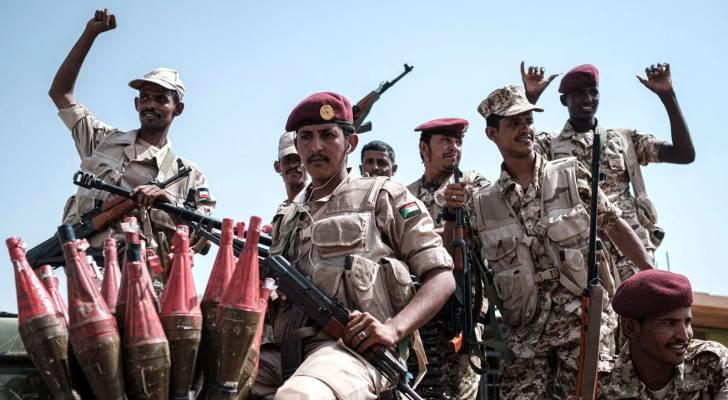
Sudan's Armed Forces (SAF) said it repelled an alleged Rapid Support Forces (RSF) attack on the town of Babanusa in southern West Kordofan, claiming it killed several RSF field commanders and hundreds of fighters and that SAF forces seized and destroyed combat vehicles. The clash was reported the day after the RSF announced a unilateral three-month humanitarian truce, and the RSF had not commented on the Babanusa incident in the accounts available. The SAF's account was published amid continuing warfare that began in April 2023 and has killed thousands and displaced millions, a backdrop cited by multiple outlets.
“The Sudanese Armed Forces (SAF) said it repelled an alleged Rapid Support Forces (RSF) attack on Babanusa in southern West Kordofan, claiming it killed several RSF field commanders and hundreds of fighters, seized and destroyed combat vehicles.”
RSF truce and responses
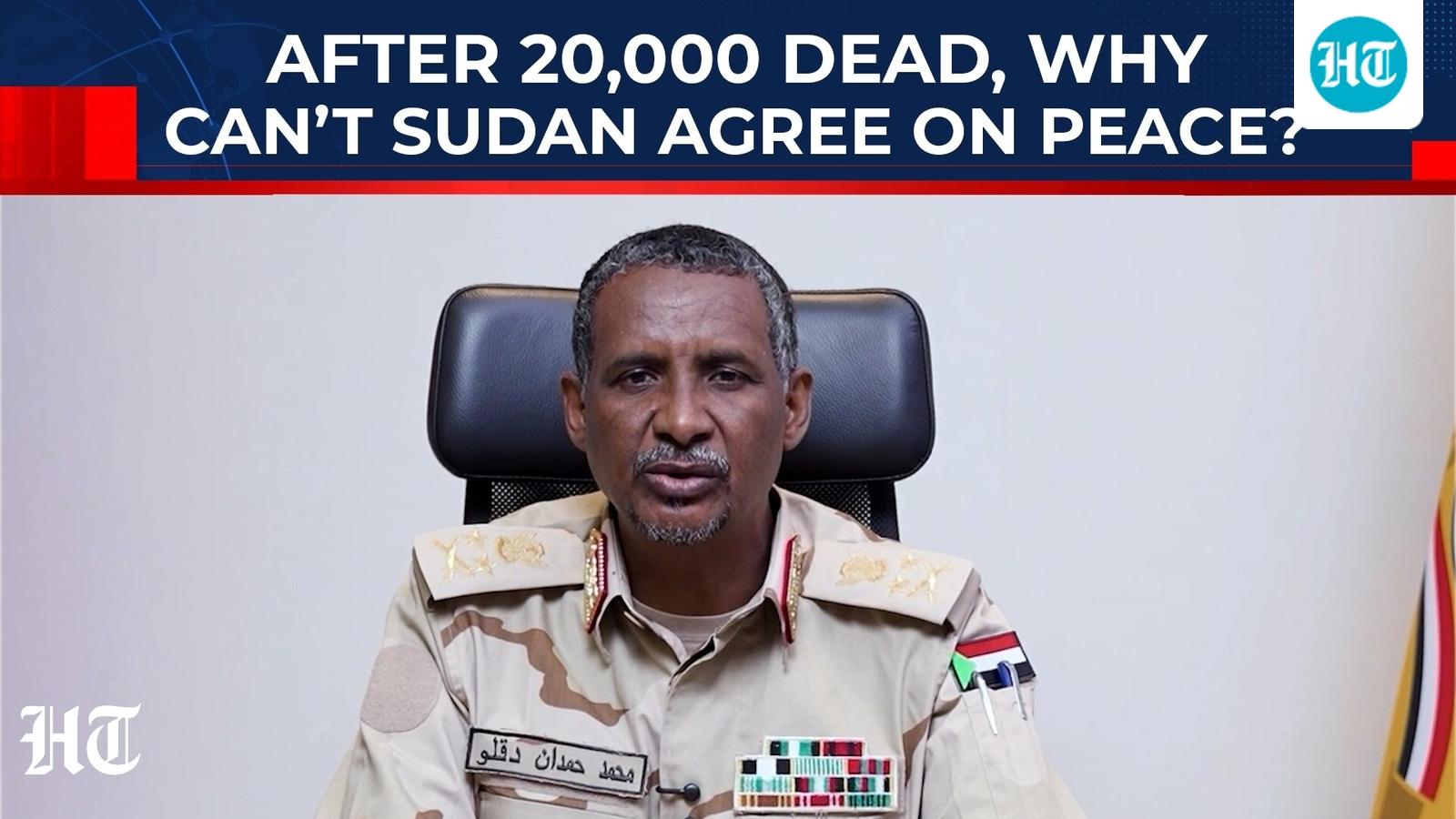
The RSF announced a unilateral three-month humanitarian truce that it said would halt hostilities immediately, secure movement for aid workers, protect NGO facilities, allow unfettered access for medical and relief teams, and back field monitoring supervised by the Quad and the African Union. The Eastleigh Voice reported the RSF accepted the truce and monitoring by regional and international bodies, while the SAF reportedly rejected a separate Quad ceasefire proposal, illustrating competing stances on external mediation. The Nation quoted RSF leader Mohamed Hamdan Dagalo framing the pause as a first step toward a political solution and specifying which parties he said should be excluded from future talks.
Reports of violence and abductions
Humanitarian and human‑rights allegations accompanied reporting from Babanusa. The volunteer Sudan Doctors Network accused the Rapid Support Forces (RSF) and the Sudan People’s Liberation Movement–North of attacking the Al‑Zallataya mine in South Kordofan and forcibly abducting more than 150 young men, including minors. The network called the action a violation of humanitarian law and the truce and demanded the immediate release of those taken and unhindered access for aid.
“The volunteer Sudan Doctors Network accused the RSF and the Sudan People’s Liberation Movement–North of attacking the Al‑Zallataya mine in South Kordofan and forcibly abducting more than 150 young men, including minors, calling the action a violation of humanitarian law and the truce and demanding immediate release and aid access.”
Separate reporting from El Fasher in Darfur alleges mass civilian killings blamed on RSF fighters and an assault on a hospital in which large numbers of patients and companions were reportedly shot dead. These elements have intensified international attention to alleged RSF abuses.
Fragmented diplomatic environment
Context: the diplomatic and political environment around the conflict is fragmented. The RSF, quoted by The Nation, says it supports monitoring by the Quad and the African Union and seeks exclusion of the Muslim Brotherhood and the National Congress from future talks.
The SAF and Transitional Sovereignty Council leader Abdel Fattah al‑Burhan have publicly criticized or rejected some external proposals, as reported by The Eastleigh Voice and Arab Weekly. International actors have repeatedly proposed ceasefires or monitoring mechanisms in response to reports of mass civilian casualties, but outlets note that ceasefires have been violated and negotiations remain stalled.
Unverified battlefield claims
Important uncertainties remain: the SAF's claims about killing 'hundreds' of RSF fighters, killing several field commanders, and seizing vehicles are presented as the army's account in available reporting. The RSF's lack of comment on Babanusa, noted by Eastleigh Voice, means independent verification is not provided in these snippets.
“The RSF had declared a unilateral three-month humanitarian truce the day before; the RSF has not commented on the Babanusa clash.”
Multiple sources also stress that ceasefires have been repeatedly violated and that accusations from the Sudan Doctors Network, WHO reports, and witness statements are reported rather than independently confirmed in these summaries. This leaves factual gaps about casualty counts, abduction confirmations, and battlefield control.