Full Analysis Summary
Sudan stoning sentences
Activists and human-rights defenders report that two Sudanese women, one from El Gedaref and one from Blue Nile, have been held in Omdurman prison after being sentenced to death by stoning.
They are reportedly without legal representation amid a collapsing justice system and increasing restrictions on legal-aid organisations.
Observers say the apparent lack of counsel and support raises urgent concerns about due process and access to justice in Sudan.
Coverage Differences
Tone/Narrative alignment
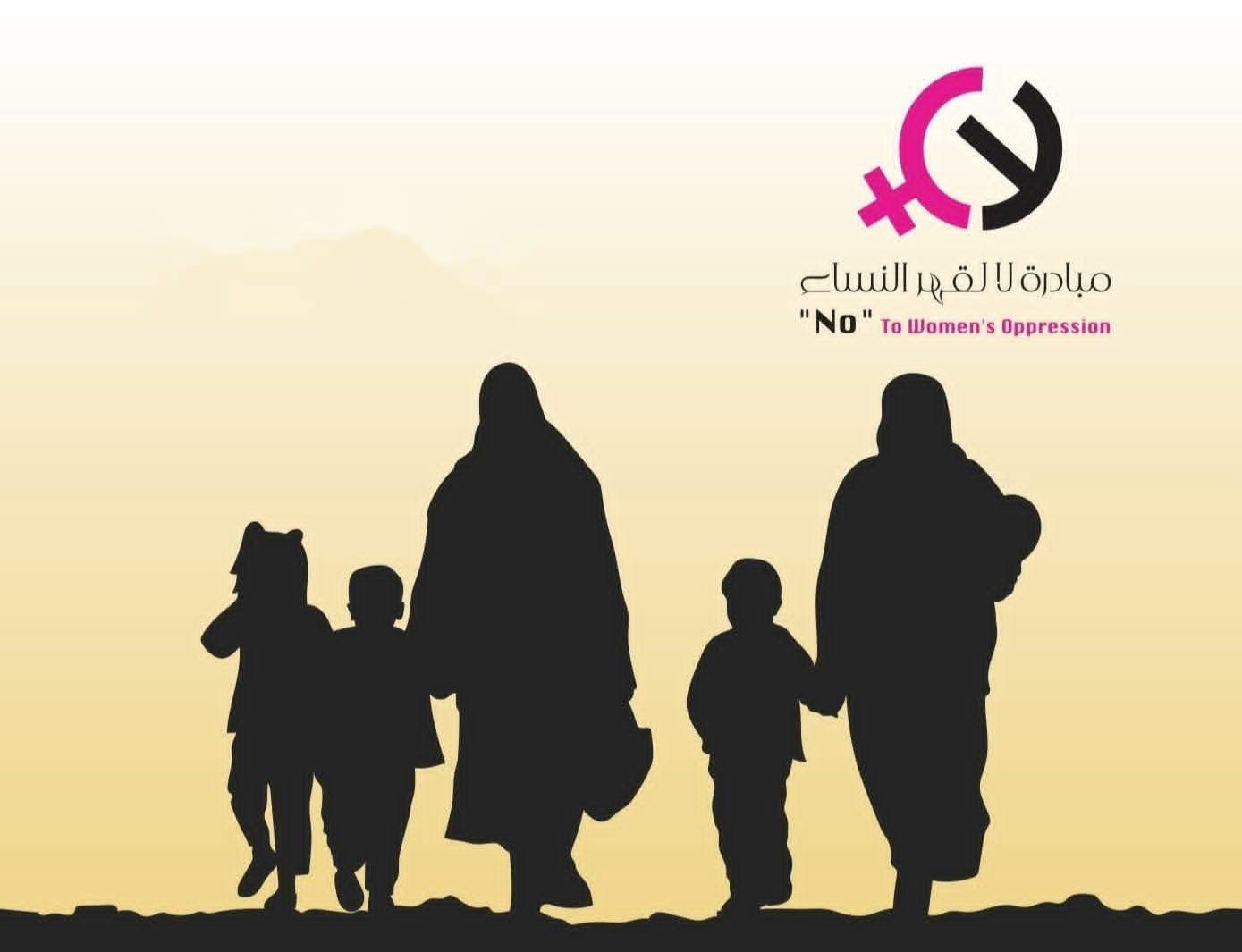
Both sources report the same core facts — two women from El Gedaref and Blue Nile held in Omdurman prison after being sentenced to death by stoning and lacking legal representation — but Dabanga Radio TV Online explicitly notes an accompanying image referencing a 'No to Oppression of Women' initiative, adding a visual-rights advocacy framing that Radio Dabanga's text does not include. Both sources rely on activists and human-rights defenders as their information source, and neither presents an official court statement.
Deteriorating justice in Sudan
Both reports underscore the broader context: activists warn of a deteriorating justice system in Sudan and growing constraints on organisations that provide legal aid.
The coverage portrays the case not as an isolated judicial decision but as indicative of systemic failures, with human-rights defenders framed as the primary sources drawing attention to the defendants' lack of counsel and to the shrinking space for legal assistance.
Coverage Differences
Emphasis/Framing
Radio Dabanga frames the case through the voice of "activists and human rights defenders" and emphasizes the collapsing justice system and 'restrictions on the work of legal aid organisations.' Dabanga Radio TV Online uses similar language but adds the phrase 'increasing restrictions' and pairs the report with imagery linked to women's rights activism, which subtly shifts the framing toward gender-oppression advocacy. Neither source includes official commentary from courts or state authorities, and both rely on activist reporting.
Missing legal transparency
Neither article provides details on the legal charges, trial proceedings, or any official court documentation, and both attribute information to activists and human-rights defenders rather than to judicial authorities.
This absence leaves key questions unanswered about the evidence, the legal basis for the sentences, and whether appeals are possible.
It also leaves unclear whether the defendants had access to lawyers during trial, and the reports describe them as unrepresented amid a collapsing system.
Coverage Differences
Missed information/Source limitation
Both Radio Dabanga and Dabanga Radio TV Online omit court records, charges, trial dates, and statements from judicial or government representatives; instead they 'report' or 'say' the information comes from activists and human-rights defenders. This means both sources convey the activists’ claims but do not provide corroborating official documentation, creating an information gap about the legal specifics of the case.
Critique of rights reporting
The two reports share a strong rights-oriented tone and call for immediate attention to the reported sentences and the lack of legal representation.
Dabanga Radio TV Online's inclusion of a 'No to Oppression of Women' image gives that urgency a visually activist tone.
Both pieces draw from the same activist sources and use very similar text, so readers should note the limited source diversity and the absence of official or judicial perspectives in the coverage.
Coverage Differences
Tone/Advocacy emphasis
Both pieces present a rights-focused, critical narrative highlighting the lack of legal representation and a collapsing justice system. Dabanga Radio TV Online adds a visual advocacy element (the 'No to Oppression of Women' image), while Radio Dabanga sticks to the textual report. Neither source provides countervailing official statements, and both rely on activists and human-rights defenders as the primary informants.