Sudan12 January, 20263 min read
Sudanese Government Returns to Khartoum After 1,000-Day War
This article is an automated aggregation of coverage from news outlets. Our editorials offer in-depth analysis curated by the NewsCord team.
Government resumed operations in Khartoum after nearly 1,000 days of war Sudanese Armed Forces redeployed to retake Kordofan and Darfur from the Rapid Support Forces

6 outlets told this the same way.
Government returns to Khartoum
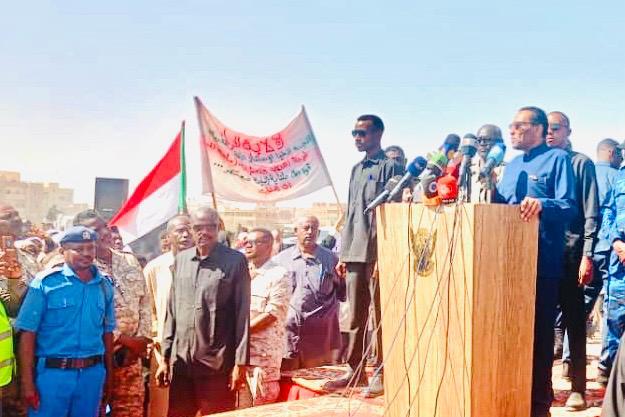
Sudan's army-aligned government has formally resumed operations in Khartoum after nearly three years operating from Port Sudan, a move officials framed as a shift from remote crisis management to on-the-ground executive action. Dabanga reports that fighting in Khartoum forced government institutions to relocate and that Port Sudan served as a temporary administrative capital. Dabanga adds the government unveiled a National Peace Initiative described as a purely Sudanese plan with broad regional and international backing, and declared 2026 the 'Year of Peace.'
“As fighting in Khartoum forced government institutions to relocate, Port Sudan has served as a temporary administrative capital.”
Africanews records that Sudanese residents in Khartoum welcomed the return of the military-led government to the capital after nearly three years operating from Port Sudan. Iwcp.net notes the move came as the Sudanese Armed Forces gradually reasserted control of the capital.
Khartoum recovery and needs
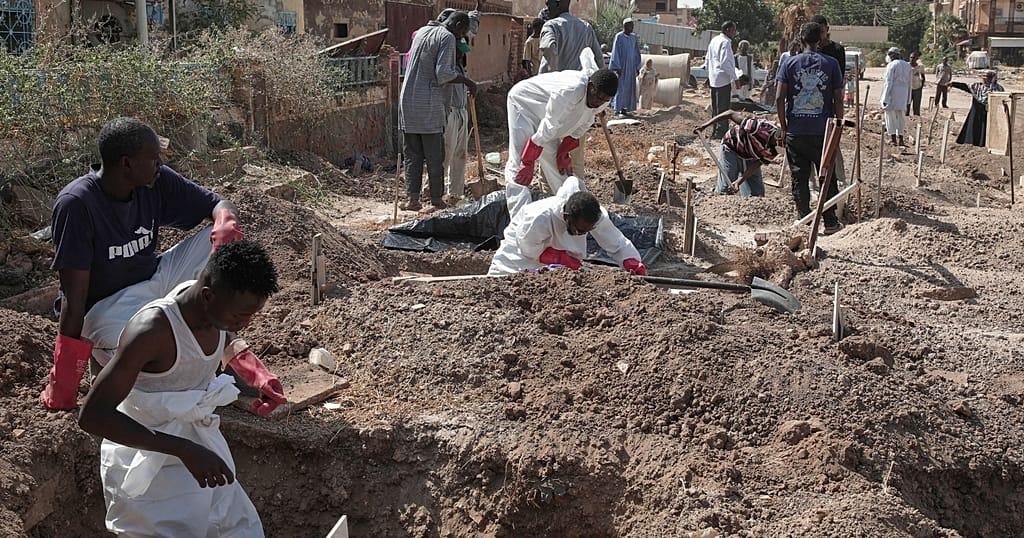
On the ground, reports point to a cautious resumption of daily life alongside extensive damage and urgent humanitarian needs. Africanews records that citizens report a renewal of daily life — universities reopening and more people on the streets — while the government holds some cabinet meetings there and has begun reconstruction efforts. Africanews and iwcp.net document severe loss and displacement, noting that Khartoum was an active battlefield for close to two years with entire neighborhoods destroyed, makeshift graves, and mass displacement.
The UN says more than a million people returned between March and October. Iwcp.net warns that roughly 11 million people are displaced inside Sudan and across borders and more than 33 million are at risk of starvation. Dabanga cautions that the return does not mean the war is over and that it marks the start of rebuilding trust and beginning recovery and reconstruction.

Sudan security update
Security dynamics in Sudan remain fragile as fighting continues in multiple regions and accusations of atrocities persist. iwcp.net reports that fighting between the Sudan Armed Forces (SAF) and the paramilitary Rapid Support Forces (RSF) continues across Darfur and Kordofan. A recent drone strike in Habila, South Kordofan, reportedly killed five people.
“Fighting between the SAF and the paramilitary Rapid Support Forces (RSF) continues across Darfur and Kordofan, with the RSF showing no sign of withdrawing; a recent drone strike in Habila, South Kordofan, reportedly killed five and was blamed on an RSF ally.”
UN and aid findings quoted by iwcp.net say RSF-linked abuses may amount to genocide. The SAF says it is preparing a campaign to retake Kordofan and Darfur, claiming it has assessed RSF capabilities, repositioned troops, launched air and drone strikes, and destroyed dozens of RSF vehicles. Those SAF claims are met with skepticism by some local residents.
Dabanga frames the situation by noting that return does not equal the end of conflict. Africanews connects the reported return to a prior army recapture last March that ended RSF control in some areas.
Sudan political transition update
Officials present the move as part of a broader push for Sudanese-led peace and gradual reform, with outside actors and regional partners noted as supportive. Dabanga quotes Minister Mutasim Ahmed saying the return "marks a shift from remote crisis management to on-the-ground executive action," and that the National Peace Initiative is a "purely Sudanese plan with broad regional and international backing." Al-Jazeera Net reports a senior official calling for gradual reform of the military's political role, warning against a vacuum and saying he would only dissolve the Sovereignty Council if other institutions were in place.
That piece also reaffirmed Egypt’s clear and supportive stance toward Sudan. Africanews records that authorities say they are committed to restoring electricity, water, health care and education services, linking the political return to delivery of basic services.

Reconstruction and humanitarian needs
Major challenges remain: reconstruction, accountability and a vast humanitarian response will be required before the move can be called a lasting resolution. Africanews reports the UN estimates about $350 million is needed to rehabilitate essential infrastructure. iwcp.net frames the broader crisis as the world’s largest displacement and hunger emergency.
“The war likely killed tens of thousands in the capital, and the UN estimates about $350 million is needed to rehabilitate essential infrastructure.”
Dabanga reiterates that returning to Khartoum is the start of rebuilding trust and beginning recovery and reconstruction. The sources collectively show a government intent on rebuilding but also humanitarian and accountability demands that multiple outlets highlight with different emphases.