Sudan10 December, 20252 min read
Sudanese Military Ilyushin Il-76 Crashes at Port Sudan Air Base, Kills Entire Crew
This article is an automated aggregation of coverage from news outlets. Our editorials offer in-depth analysis curated by the NewsCord team.
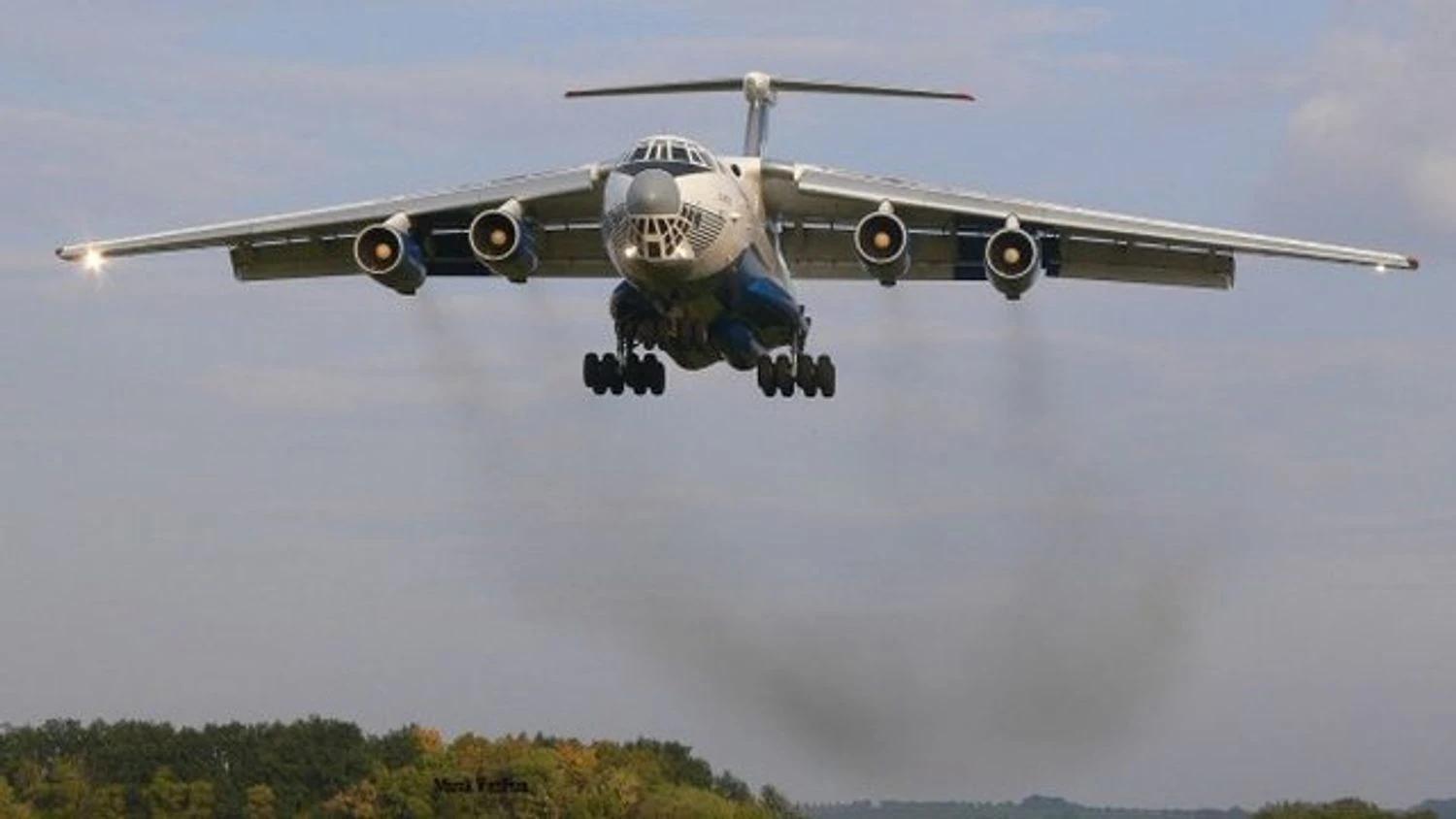
Ilyushin Il-76 military transport aircraft crashed while attempting to land at Osman Digna Air Base All crew members aboard the aircraft were killed
7 outlets told this the same way.
Sudan military plane crash
A Sudanese military Ilyushin Il-76 transport plane crashed while attempting to land near Port Sudan on Tuesday, killing the entire crew aboard. The crash occurred at the Osman Digna air base, which some reports refer to simply as Digna.
“A Sudanese military Ilyushin Il-76 cargo plane crashed while attempting to land Tuesday at the Osman Digna Air Base in Port Sudan, killing everyone aboard, military officials said Wednesday.”
Multiple regional and international outlets reported the incident, citing anonymous military sources and news agencies. Those sources, including Agence France-Presse and Al Arabiya, said a technical malfunction preceded the crash, and the Sudanese Armed Forces have not released how many people were on board.

Cause and media reporting
Reports describe the immediate cause as a technical malfunction during approach or landing. Some outlets add details such as a sudden loss of altitude and an explosion. Western mainstream and regionally oriented sources, including UKR/UNN, Al Jazeera and Türkiye Today, explicitly attribute the malfunction as the proximate cause.
Other outlets underscore that the claim comes from unnamed military or local authorities rather than from an independent investigation. Coverage also notes the Il-76's role as a heavy Soviet/Russian transport aircraft, with one source specifying it can carry roughly 40 tonnes of cargo.

Reporting on Sudan crash
Multiple outlets reporting the crash say the entire crew was killed, but they uniformly note the absence of an official passenger or casualty count from Sudan’s military.
“A Sudanese military Ilyushin Il-76 cargo plane crashed while attempting to land Tuesday at the Osman Digna Air Base in Port Sudan, killing everyone aboard, military officials said Wednesday.”
The consistency across United News of Bangladesh, Al Jazeera, Türkiye Today, The Arab Weekly and Українські Національні Новини underscores agreement on the fatalities while highlighting that precise crew numbers remain undisclosed pending official confirmation or investigation.
Coverage of Sudan crash
Reporting varies sharply in how much broader conflict context is attached to the crash. Al Jazeera and The Arab Weekly place the incident amid major operational setbacks for the Sudanese Armed Forces, highlighting RSF advances such as the seizure of the Heglig oilfield. They also note the wider humanitarian toll, reporting tens of thousands killed and more than 12 million displaced since April 2023.
United News of Bangladesh, by contrast, makes only a brief link to Sudan’s ongoing war. Türkiye Today similarly ties the crash to the broader war and recalls a February Antonov crash that also killed military personnel and civilians.

Coverage and reporting uncertainties
Several outlets note missing or preliminary information and rely on anonymous or second-hand sources. That caution matters because there is no official SAF tally and Sudan's war is contested and fast-moving. Türkiye Today and Al Jazeera reference previous aviation incidents and international legal and sanction developments (an Antonov crash in February, US sanctions, and an ICC conviction) to highlight operational and political consequences.
“In related developments, the US sanctioned four Colombian nationals and four companies accused of recruiting fighters for the RSF (while not targeting a UAE firm implicated in earlier reporting), and the International Criminal Court sentenced former Janjaweed leader Ali Kushayb to 20 years for Darfur war crimes — the ICC’s first Darfur conviction.”
Shorter dispatches such as United News of Bangladesh and The Arab Weekly stick to the immediate crash facts. The variation in depth and sourcing underscores both consensus that a crash occurred and remaining uncertainties about crew numbers and the precise technical cause pending investigation.
