Full Analysis Summary
Return of Sudanese Antiquities
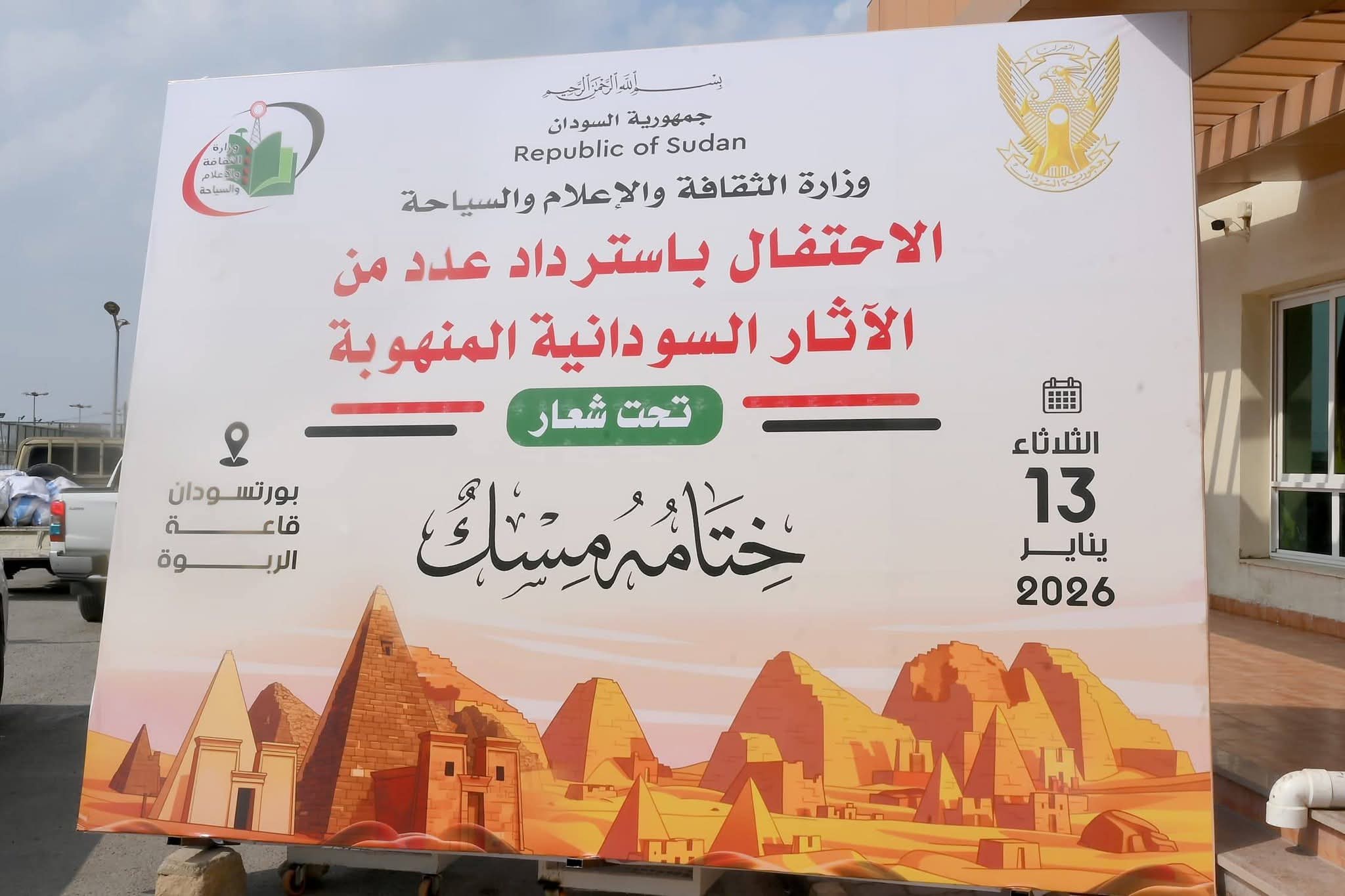
Sudan’s General Intelligence Service handed over 570 recovered antiquities to the Ministry of Culture in a coordinated operation described by officials as professional and aimed at protecting the nation’s history and identity.
Authorities said the recovery involved intelligence and judicial cooperation, and a specialized committee coordinated with the intelligence service and Culture Ministry to inventory and classify objects from institutions including the National Museum, Jazeera Museum, Ethnographic Museum and Khalifa House Museum to prepare them for display and restoration.
UNESCO pledged support for protection and restoration efforts and supplied equipment to help museum staff catalogue collections and identify stolen pieces.
Coverage Differences
Tone and emphasis
Both Radio Dabanga (Local Western) and Dabanga Radio TV Online (Local Western) report the operation as professional and protective of Sudan’s history, but Dabanga Radio TV Online frames the event as a public celebration in Port Sudan and emphasizes the ceremonial aspect, while Radio Dabanga stresses the ‘battle to protect the country’s history and national identity’ and the technical inventory work. The sources report quotes from officials rather than asserting editorial commentary themselves.
Cultural heritage handover
Senior officials framed the handover as an act of cultural sovereignty and national defense.
Information Minister Khaled El Aiser said that exhibiting recovered pieces is an intellectual and sovereign act and in other reports described it as a moral assertion of sovereignty.
He urged citizens to hand over artifacts or to report their whereabouts.
Finance and culture officials called for a comprehensive national inventory and state-level recovery teams, and appealed to neighboring countries to cooperate in returning looted items.
Coverage Differences
Wording and emphasis on moral framing
Radio Dabanga quotes the Information Minister describing exhibition of pieces as an 'intellectual and sovereign act' and urges the public to hand over artifacts; Dabanga Radio TV Online uses the wording 'intellectual, moral and sovereign act' and explicitly records the call to 'hand over or report artifacts'—a small difference in phrasing but a notable one in emphasis on the moral framing of restoration. Both sources report ministers’ comments rather than offering their own editorial stance.
Cultural heritage recovery efforts
Officials and UNESCO outlined practical steps for recovery, inventory and restoration.
The intelligence service and the Culture Ministry's specialized committee are cataloguing and classifying objects to prepare them for display.
UNESCO's Sudan director congratulated the government, pledged international support for protection, inventory and restoration efforts, and provided technical equipment to aid museum staff.
Authorities reported that more than 20 museums and cultural facilities have been looted or damaged during roughly 1,000 days of conflict, with initial damage estimates around $110 million, details that underscore the scale of losses the recovery efforts seek to address.
Coverage Differences
Detail level and casualty of cultural damage
Radio Dabanga includes a specific estimate—'initial damage estimates around $110 million' and an explicit count of 'more than 20 museums and cultural facilities' affected during 'roughly 1,000 days of conflict', while Dabanga Radio TV Online emphasizes UNESCO praise and the return of 'hundreds of items' and the international significance of preserving Sudanese heritage. Both sources attribute these claims to officials and UNESCO representatives rather than presenting them as independently verified facts.
Recovery appeals and uncertainties
Officials called for broader public cooperation, public-awareness campaigns, and state-level recovery committees to visit states and recover stolen items.
They also appealed to neighboring countries for assistance in returning looted objects.
Both sources present a consistent government narrative of recovery, sovereignty and restoration, but reporting leaves key details unclear—such as provenance for each recovered piece, the timeline for full restoration and display, and independent verification of the number and condition of returned items, which the accounts attribute to officials and UNESCO without outside corroboration.
Coverage Differences
Unclear/missing information
Both Radio Dabanga and Dabanga Radio TV Online report officials’ calls for inventories and appeals to neighbors, but neither provides a detailed public inventory listing provenance for each of the 570 items, nor an independent verification. Each source reports ministers’ appeals and UNESCO support rather than presenting a full audited list—so the coverage is consistent but leaves key verification details unaddressed.