Full Analysis Summary
RSF attacks and impact
Sudan’s Rapid Support Forces (RSF) are accused of mass killings and systematic attempts to erase evidence in and around el‑Fasher, with UN and research bodies documenting large-scale violence and obstructed humanitarian access.
A Yale Humanitarian Research Lab report documented the RSF’s systematic efforts to erase evidence of mass killings by burying, burning and removing human remains.
A UN Human Rights Office report said the RSF killed over 1,000 civilians during a three-day assault on the Zamzam displacement camp in April and documented widespread sexual violence, including rape, gang rape and sexual slavery.
The broader conflict since April 2023 has produced staggering casualty and displacement totals, with one report saying the war has killed more than 100,000 people and displaced roughly 14 million, including about 4.3 million who fled abroad.
Coverage Differences
Emphasis and evidence
Al Jazeera (West Asian) emphasizes documented attempts to erase evidence and large-scale casualty estimates, citing Yale and UN human rights findings; Al-Jazeera Net (West Asian) focuses on what the UN team actually found on entry to el‑Fasher and uses visceral language from the UN coordinator; Asharq Al-awsat - English (West Asian) focuses more on immediate aid limitations and local relief efforts, and does not foreground the Yale or UN rights reports — showing a difference in emphasis and selection of primary details.
UN findings in el-Fasher
A UN team that entered el-Fasher for the first time since the RSF seized the city reported an almost deserted town and deeply distressed civilians.
UN humanitarian coordinator Denise Brown described people as traumatized, living in "humiliating and unsafe" conditions.
She called el-Fasher both "a focal point of humanitarian suffering" and "a crime scene."
The mission inspected sites including the Saudi Hospital and saw "a medical team at the hospital but no supplies."
UN personnel raised concern about injured people they could not see, who "may be detained."
Coverage Differences
Tone and on‑the‑ground detail
Al-Jazeera Net foregrounds the UN mission’s direct observations and quotes Denise Brown’s strong language, portraying el‑Fasher as a ‘crime scene’ and emphasizing the lack of medical supplies; Al Jazeera provides contextual statistics and the strategic significance of el‑Fasher’s fall, and Asharq Al-awsat highlights aid gaps and local relief efforts like charity kitchens, showing a more operational focus rather than the UN’s testimonial tone.
el-Fasher displacement crisis
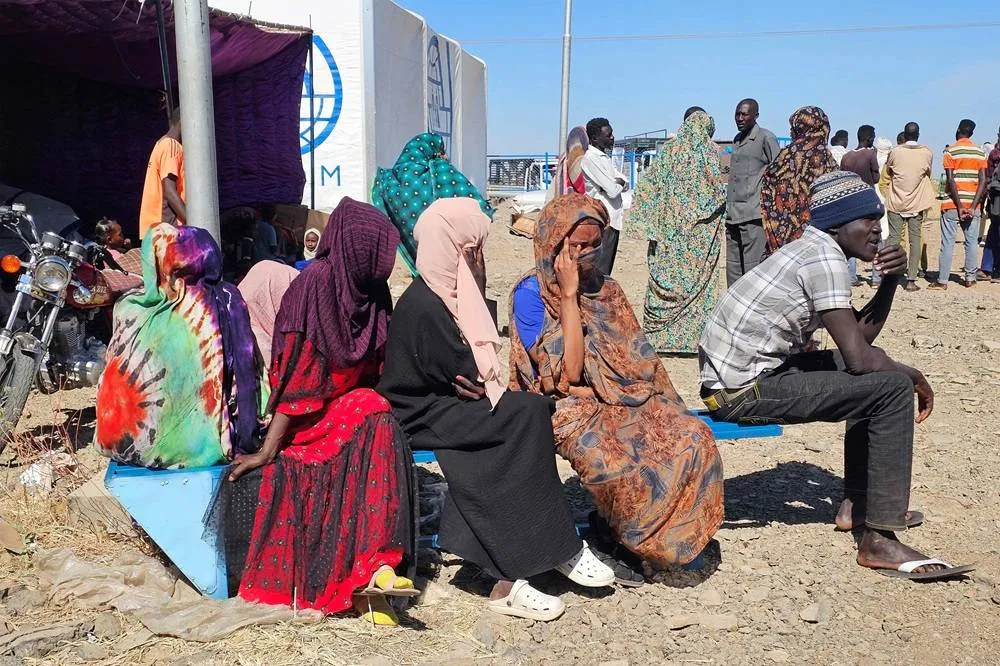
Displacement and humanitarian needs in and from el‑Fasher are immense.
UN and other reports cite more than 107,000 people displaced from el‑Fasher and nearby areas since late October.
Longer-term figures show 1.17 million people originally from el‑Fasher have been displaced, about 13% of all internally displaced persons.
The UN says a broader crisis affects some 30.4 million Sudanese in need of assistance and has had to halve its 2026 appeal after donor cuts, underscoring the scale of the emergency.
Coverage Differences
Scale versus local detail
Al Jazeera stresses national-level aggregates and the depth of the crisis — citing figures such as '1.17 million people originally from el‑Fasher' and 'about 30.4 million Sudanese now need assistance'; Al-Jazeera Net highlights the recent, specific displacement wave since the RSF seizure and the mission’s observations in el‑Fasher; Asharq Al-awsat concentrates on immediate basic needs on the ground (toilets, clean water, markets), showing a local, service-level view compared with Al Jazeera’s macro statistics.
Zamzam violence and aid
Reports document widespread sexual violence and targeted assaults on displacement camps.
Al Jazeera cites the UN Human Rights Office's finding of mass atrocities at Zamzam, including sexual slavery.
Al-Jazeera Net records the UN mission's conclusion that the city bore the marks of massacres, sexual violence, abductions and arrests.
Asharq Al-awsat's coverage does not foreground those human rights tallies and instead reports the immediate collapse of services and the local response through charity kitchens and emergency relief.
Coverage Differences
Content inclusion and omission
Al Jazeera explicitly reports the UN Human Rights Office’s detailed allegations about sexual violence and mass killings; Al-Jazeera Net reports that the RSF takeover was 'accompanied by reports of massacres, sexual violence, abductions and arrests' and quotes UN officials describing el‑Fasher as a 'crime scene'; Asharq Al-awsat omits those explicit atrocity claims in the available snippet and instead documents shortages and local relief, reflecting an omission or narrower operational focus.
Ceasefire and relief efforts
International appeals for an immediate ceasefire and worries about rhetoric that could provoke more military action are noted alongside grassroots relief efforts.
Al Jazeera reports that UN Secretary-General António Guterres reiterated calls for an immediate ceasefire and that the U.S. State Department warned against SAF rhetoric favoring military solutions.
Asharq Al-awsat documents community responses such as the ERR charity kitchen and limited local markets selling only a few items, illustrating how global diplomatic pressure and local humanitarian coping coexist.
Coverage Differences
Scale of response and focus
Al Jazeera highlights high-level diplomatic pressure and the UN’s framing of a global humanitarian emergency; Asharq Al-awsat highlights community relief efforts and market collapse as immediate coping mechanisms; Al-Jazeera Net bridges these by reporting the UN mission’s on‑the‑ground impressions — so sources differ in whether they foreground international diplomacy, local relief, or direct UN observation.