Sudan’s RSF Agrees to Humanitarian Truce Amid Genocide in El Fasher

Sudan’s RSF Agrees to Humanitarian Truce Amid Genocide in El Fasher

06 November, 202518 sources compared
Sudan

Key Points from 18 News Sources

  1. 1

    RSF agreed to a US-led three-month humanitarian ceasefire to allow aid delivery.

  2. 2

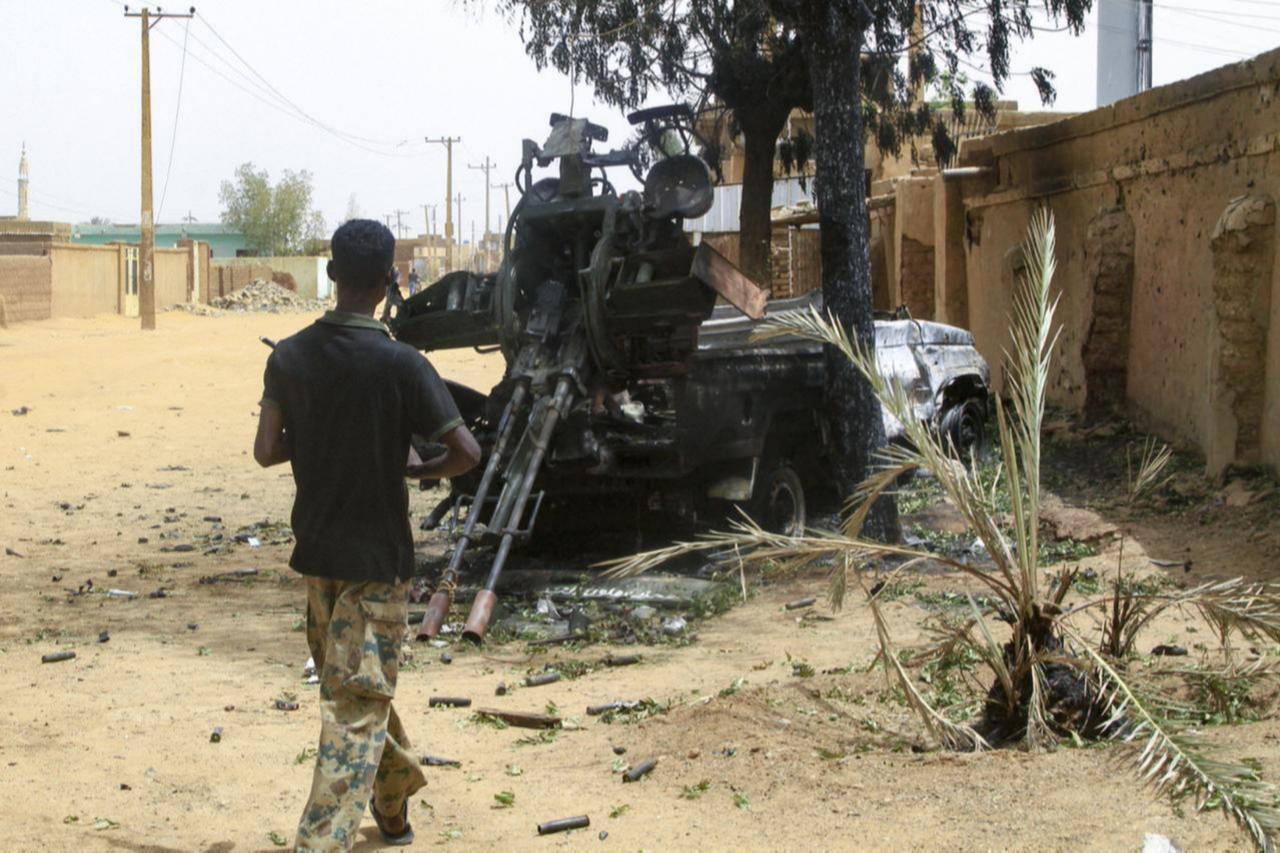
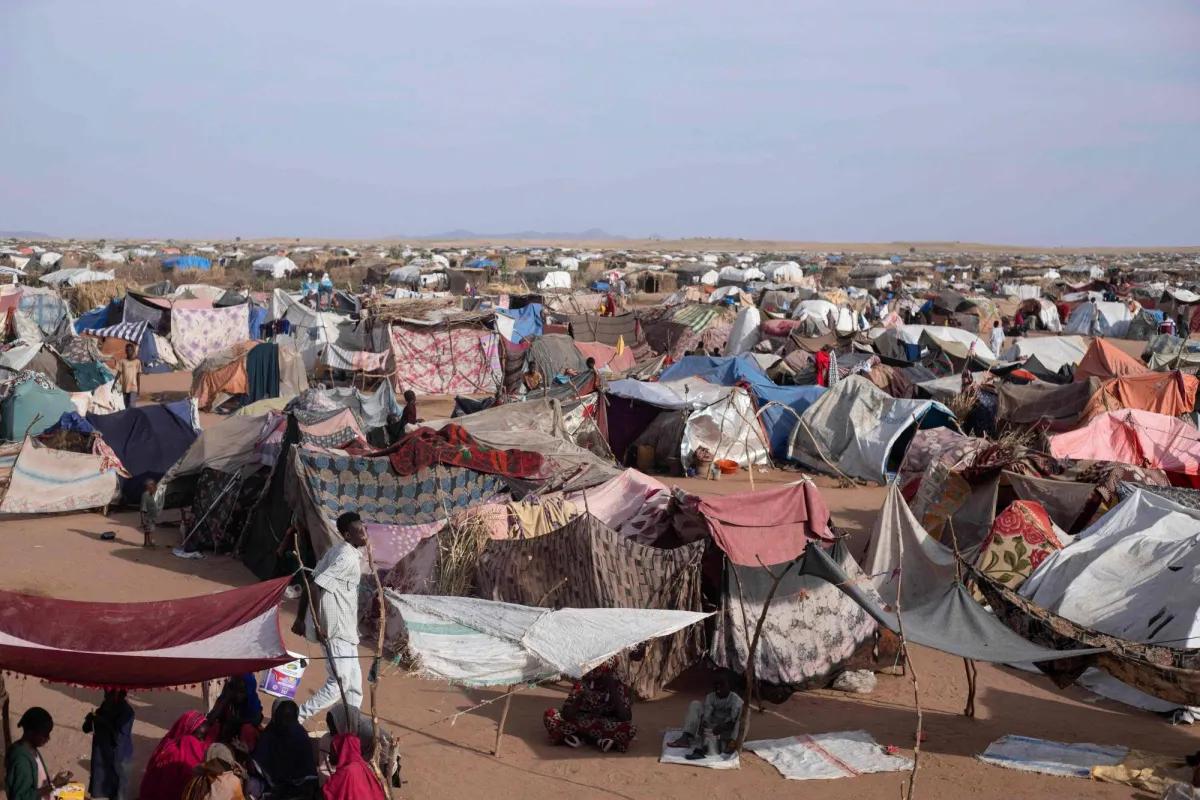
    RSF captured El Fasher after an 18-19 month siege causing famine and blocking aid.
  3. 3

    Mass graves and evidence of war crimes, including sexual violence, reported in El Fasher.

Full Analysis Summary

Sudan Conflict and Truce Efforts

Sudan’s Rapid Support Forces (RSF) say they have agreed to a US-led humanitarian truce after seizing El/Al-Fasher.

Mediators including the US, Egypt, the UAE, and Saudi Arabia are pushing the deal amid mounting atrocity allegations.

Accounts differ on the siege’s duration and severity, but reports agree that the RSF captured the city after an 18–19 month encirclement.

Sudan’s army has not accepted the truce, conditioning any ceasefire on RSF withdrawal from civilian areas and disarmament.

West Asian outlets emphasize grave abuses, including accusations of genocide.

Western and African sources also highlight a UN genocide-prevention warning and mass atrocities reported after the takeover.

Coverage Differences

tone/narrative

Al Jazeera (West Asian) foregrounds the gravity by stating the conflict has been marked by “serious accusations of genocide,” while Newsbook (Western Mainstream) notes a “warning from the UN Special Adviser on genocide prevention,” and TRT World (West Asian) reports on “alleged massacres” during the takeover—together signaling different degrees and framing of atrocity language.

missed information/precision

Sources diverge on the length of the siege: TRT World (West Asian) cites 18 months; Al Jazeera (West Asian) cites 19 months; allAfrica (African) also references an 18-month siege. These variations affect the perceived duration and intensity of the humanitarian crisis.

contradiction/conditions

On the status of the truce acceptance, Al Jazeera (West Asian) says the army “has yet to respond,” while Newsbook (Western Mainstream) reports the army will only accept a ceasefire if the RSF withdraws and disarms; Asharq Al-awsat (West Asian) adds that some army leaders oppose the plan—indicating internal resistance beyond mere non-response.

Humanitarian Crisis and Conflict Spread

Humanitarian indicators are catastrophic.

African and Asian outlets describe starvation after the 18‑month siege, mass displacement, and looming collapse of life-saving services, with UN scrutiny intensifying.

Some sources quantify the scale—at least 40,000 dead and 12 million displaced—while others report that 83% of families face severe food shortages.

Coverage also signals the conflict’s spread beyond Darfur into Kordofan, even as mediators push a truce intended to deliver aid to millions.

Coverage Differences

data granularity

Dawan Africa (Other) provides headline figures—“at least 40,000 deaths” and “12 million” displaced—while The Irish News (Local Western) cites granular metrics—“severe food shortages affecting 83% of families”; allAfrica (African) emphasizes systems collapse such as “community kitchens” nearing failure.

geographic emphasis

SCMP (Asian) reports the RSF has shifted fighting to neighboring Kordofan, while allAfrica (African) says the conflict is spreading to North Kordofan; several other sources concentrate primarily on El-Fasher’s siege and fallout, giving less attention to the broader spread.

institutional focus

BBC (Western Mainstream) and allAfrica (African) highlight the UN Human Rights Council’s 14 November emergency session, whereas Dawan Africa (Other) centers on the US/Quad truce mechanics and aid delivery rather than UN deliberations.

Atrocities and Accountability Debate

Evidence and allegations of atrocities intensify debates over accountability.

Western mainstream reporting includes verified footage of RSF members shooting unarmed captives.

West Asian and African outlets detail summary executions and broader abuse patterns.

RSF leaders publicly deny systemic crimes yet say they are investigating and even arresting alleged perpetrators.

Genocide accusations continue to shadow the conflict.

Coverage Differences

evidence vs. official positioning

CBC (Western Mainstream) emphasizes verified videos of RSF fighters shooting unarmed captives, while the RSF response—as reported by CBC and BBC (Western Mainstream)—is to deny, label reports as propaganda, and announce internal investigations and arrests; Asharq Al-awsat (West Asian) adds the RSF leader’s pledge to protect civilians and address violations.

severity framing

Al Jazeera (West Asian) underscores the gravity with “serious accusations of genocide,” while allAfrica (African) reports “summary executions” in El-Fasher. Asharq Al-awsat (West Asian) uses comparatively softer language, referring to “reports of RSF abuses,” while also noting RSF commitments to address violations.

timing/context

CBC (Western Mainstream) links atrocity scrutiny to imminent truce news—an “official announcement about a truce is expected soon”—whereas BBC (Western Mainstream) ties it to an upcoming UNHRC session; both frame accountability alongside evolving diplomacy.

Sudan Ceasefire Negotiations

Diplomatic approaches differ depending on the source.

Some propose a three-month humanitarian ceasefire followed by a nine-month political process.

Others focus on achieving a permanent ceasefire without specifying a nine-month timeline.

The list of mediators also varies, with some including the UK alongside the US and Arab countries.

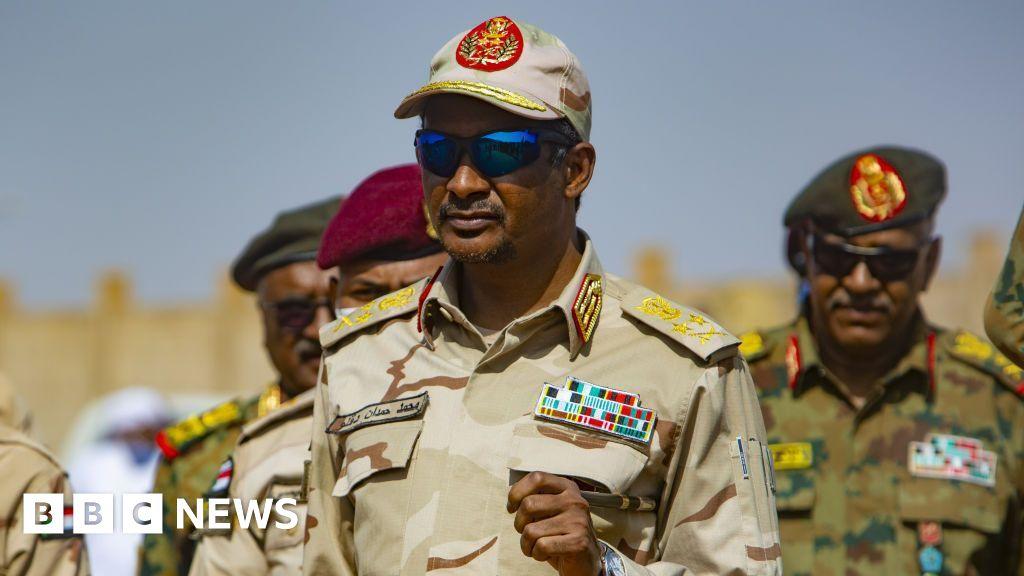
Meanwhile, Sudan’s army expresses resistance by demanding the withdrawal and disarmament of the RSF.
The army has even vowed to continue fighting if these demands are not met.

On the other hand, the RSF states its readiness to implement the deal and engage in talks.

Coverage Differences

process/timeline divergence

The Irish News (Local Western) and The Eastleigh Voice (Local Western) outline a three‑month truce followed by a nine‑month political process, whereas Asharq Al-awsat (West Asian) and The Business Standard (Asian) focus on a three‑month truce leading toward a permanent ceasefire; TRT World (West Asian) uniquely mentions a “nine‑month transition to an independent, civilian‑led government.”

mediator constellation

Dawan Africa (Other) names a US‑Quad that includes the UK, while allAfrica (African), The Eastleigh Voice (Local Western), and Asharq Al-awsat (West Asian) list US, UAE, Saudi Arabia, and Egypt—highlighting inconsistent depictions of who is brokering the deal.

positions/stance

Eastleigh Voice (Local Western) reports the army “would continue fighting,” while The Irish News (Local Western) and Newsbook (Western Mainstream) stress preconditions of RSF withdrawal/disarmament; Asharq Al-awsat (West Asian) adds that some army leaders oppose the plan, indicating internal divisions.

Challenges of Ceasefire Implementation

Whether the truce takes hold is uncertain.

Multiple outlets note a history of failed ceasefires and point to hard army conditions as immediate obstacles.

Some coverage casts the RSF’s acceptance as responsive to public demands.

Others stress skepticism, active fighting, and the repetition of past failed attempts.

These factors underscore why implementation risks remain high despite heavy international pressure.
Coverage Differences

historical record vs. present optimism

SCMP (Asian) and The Business Standard (Asian) both stress that previous ceasefires have failed, while TRT World (West Asian) frames RSF willingness as addressing “the Sudanese people's demands,” introducing a more hopeful angle despite that track record.

conditions as barriers

Newsbook (Western Mainstream) and allAfrica (African) highlight the army’s demands for RSF withdrawal/disarmament and accountability, which could block the truce; Eastleigh Voice (Local Western) escalates skepticism by reporting the army will continue fighting.

timeline characterization

SCMP (Asian) and The Business Standard (Asian) describe a 2½‑year conflict, while TRT World (West Asian) dates it from April 2023; the differing time framings reflect how outlets situate the war’s duration and context.

All 18 Sources Compared

Al Jazeera

RSF says it agrees to mediators’ ceasefire proposal in Sudan war

Read Original

Al Jazeera

Sudan’s Rapid Support Forces agree to humanitarian truce

Read Original

allAfrica

Sudan's Paramilitary Group Agrees to Humanitarian Ceasefire

Read Original

Asharq Al-awsat - English

Sudan's RSF Agrees to US Proposal for Humanitarian Ceasefire

Read Original

BBC

Sudan's RSF paramilitaries agree humanitarian ceasefire

Read Original

BBC

Sudan's RSF militia says it agrees to humanitarian ceasefire

Read Original

CBC

Sudan's paramilitary force agrees to U.S. proposal for humanitarian ceasefire

Read Original

Dawan Africa

Sudan’s RSF Agrees to US-Backed Truce Plan as Fighting Leaves Millions in Crisis

Read Original

France 24

Sudan's RSF paramilitary group agrees to humanitarian truce

Read Original

France 24

Sudan's paramilitary group agrees on truce amid accusations of war crimes

Read Original

Newsbook

Sudan’s RSF agrees to truce amid mounting evidence of genocide in El Fasher

Read Original

South China Morning Post

Sudan’s paramilitaries agree to US-backed humanitarian ceasefire proposal

Read Original

The Business Standard

Sudan's RSF agrees to US proposal for humanitarian ceasefire

Read Original

The Eastleigh Voice

Sudan's paramilitary forces agree to proposal of humanitarian truce

Read Original

The Guardian

Sudanese militia group accused of war crimes agrees to a ceasefire

Read Original

The Irish News

Sudan paramilitary group agrees to humanitarian truce

Read Original

TRT World

Sudan's RSF agrees to humanitarian truce proposed by mediators

Read Original

Türkiye Today

RSF accepts Quad-backed humanitarian truce proposal in war-torn Sudan

Read Original